
Urgent Farm Bill Vote Could Erase Animal Protections: Advocates Urged to Call Congress Now
Share This
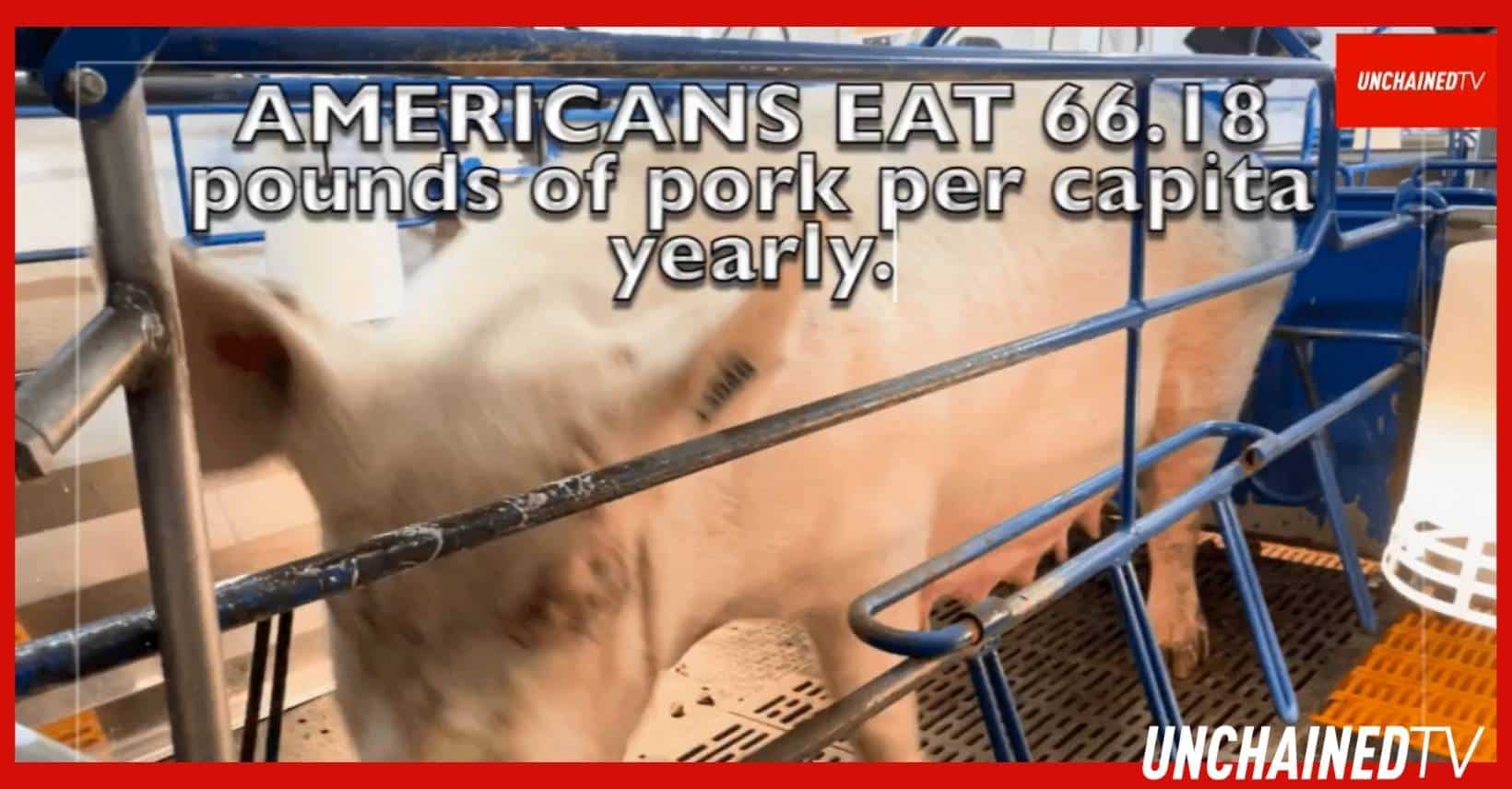
A controversial provision slipped into the so-called “skinny farm bill” is drawing national backlash as leading animal welfare groups urge animal lovers to call their member of Congress immediately!
Washington, D.C. – April 27th, 2026 – A controversial provision slipped into a big legislative bill is drawing national backlash. Nicknamed the “Save Our Bacon Act,” the proposal has animal welfare groups outraged and alarmed, fearing a vote this week in the U.S. House of Representatives.
Animal Lovers Being Urged to Call Congress Now
Numerous organizations (Compassion in World Farming, Social Compassion in Legislation, Humane World for Animals, Animal Wellness Action, In Defense of Animals and more) are urging all animal lovers to call their members of Congress immediately and urge them to support the Luna Amendment (also called The Luna-Costa-Garbarino Amendment (#28) which would thwart the attempts to gut animal welfare protections.
They urge animal lovers to simply dial 202 224-3121 and ask to be connected to their congressmember. They note that anyone who provides their zip code will be connected by the congressional switchboard to their representative. Organizations suggest callers also ask their representative to become a co-sponsor of the Luna Amendment.
Animal Activists Say Only Calling Now Will Save Pigs
The fast-moving vote expected in Congress this week is raising alarm among animal advocates, who warn that this little-known provision buried inside the legislation could dismantle hard-won farm animal protections across the United States.
The primary target of this bill is California’s Proposition 12, a landmark law that effectively banned the use of pig gestation crates. To understand the stakes of this vote, one must understand the horror of the crate: a metal cage so small that a mother pig cannot even turn around, stretch her limbs, or scratch herself for nearly her entire life.
Pigs are sentient, social, and highly intelligent beings—often considered more intelligent than dogs. Under the psychological torture of being pinned in a space the size of their own bodies, these animals go mad. They exhibit heartbreaking signs of distress, such as incessantly chomping on metal bars until their mouths bleed. This is not “farming”; it is extreme, systematic cruelty.
The legislation—formally titled the Farm, Food, and National Security Act of 2026—is being advanced as a so-called “skinny farm bill” but critics say its impact could be anything but minimal.
With limited public attention and a compressed legislative timeline, advocates say this proposed legislation is moving quickly—leaving little room for scrutiny before it reaches a decisive vote in the House.
The Luna Amendment: A Last-Minute Effort to Remove the Provision
In response to the controversial language, pro-animal lawmakers have introduced the Luna Amendment, which would remove the “Save Our Bacon” provision while allowing the broader legislation to move forward.
Supporters of the amendment say it offers a targeted solution to a specific problem. Rather than halting the entire bill, it isolates the provision that could override state-level animal welfare laws and removes it from consideration. In doing so, it preserves existing protections that have already been approved by voters.
They urge animal lovers to simply dial 202 224-3121 and ask to be connected to their congressmember. They note that anyone who provides their zip code will be connected by the congressional switchboard to their representative.
For advocacy groups, this amendment has quickly become the focal point of their efforts. It represents a narrow window to intervene before broader consequences are locked into place, and it provides a clear, actionable ask for both lawmakers and the public.
Advocates Mobilize Ahead of the Vote
With the timeline tightening, advocacy organizations are moving quickly to mobilize public response.
Campaigns are urging constituents to contact their representatives directly, emphasizing that calls, emails, and messages can still shape how lawmakers approach last-minute amendments. This kind of engagement, they argue, becomes especially influential when legislation is moving quickly and public attention is still catching up.
The messaging is intentionally simple and focused: ask lawmakers to support the Luna Amendment and reject any provision that would weaken existing animal welfare laws. By centering efforts around a single, clear action, advocates hope to cut through the noise and make it easier for the public to engage in a meaningful way.
For many organizations, the push is not just about raising awareness—it’s about immediate participation. With the vote approaching, they are encouraging people to reach out now, while there is still time for constituent voices to factor into the final outcome.
Why Advocates Say This Moment Could Reshape Animal Protections
Animal protection organizations are describing this as a pivotal moment—one that could reshape the trajectory of farmed animal protections in the United States for years to come.
At the heart of the concern is how large-scale agricultural legislation moves through Congress. Measures tied to essential funding and food systems policy are often bundled together, creating a pathway for controversial provisions to advance without sustained public scrutiny or standalone debate.
Advocates warn that this structure allows sweeping policy changes to be enacted quietly, particularly when attention is focused on the broader bill rather than its individual components. In this case, they argue, a single section could override laws that voters have already approved—effectively undoing years of state-level progress in one legislative move.
There is also concern about timing. With the vote expected on a compressed timeline, opportunities for public awareness and response are limited. For organizations tracking the issue, that urgency has triggered a rapid shift into mobilization—encouraging constituents to engage directly with their representatives while there is still time to influence the outcome.
For many advocates, the stakes extend beyond this specific provision. The outcome is being viewed as a test of whether evolving public attitudes toward animal welfare will continue to shape policy—or be sidelined in favor of longstanding industry priorities.
A Broader Fight Over Authority, Agriculture, and Animal Welfare
Beyond the immediate policy fight, the situation is also reigniting a deeper debate about the balance between federal authority and voter-driven state laws.
Many of the protections now at risk were passed through ballot initiatives, reflecting direct public engagement on issues of animal confinement and treatment. Advocates argue that overriding those measures at the federal level raises fundamental questions about whose voice ultimately shapes policy—particularly when those decisions have already been made at the ballot box.
At the same time, the conflict highlights an ongoing shift in public awareness. Over the past decade, increased exposure to conditions within industrial animal agriculture—through investigative reporting, documentaries, and advocacy campaigns—has influenced how people think about food systems and ethics. That shift has translated into policy in certain states, but whether it will continue at the national level remains uncertain.
What Happens Next in Congress
As the House prepares to act, attention is turning to whether lawmakers will separate the controversial provision from the broader legislation—or allow it to pass as part of the package.
The outcome could have lasting implications, not only for farmed animals, but for how future policy is shaped in this space. If the provision remains, it could set a precedent for federal intervention in state-level animal welfare laws. If it is removed, it may reinforce the role of voter-driven protections in shaping agricultural standards.
For now, the situation remains fluid. Lawmakers, industry groups, and advocacy organizations are all working to influence the final outcome, while the window for public input remains open—though narrowing.
Why This Matters
This vote could determine whether existing animal protections remain in place—or are overridden at the federal level. For advocates, it represents a defining moment in the broader effort to reform how animals are treated within industrial agriculture systems.
Share This
About the Author: Brandy Walt-Rose

Latest News


Stay Tuned In
Be the first to know when new shows drop! Plus, get the hottest headlines, inspiring stories, and behind-the-scenes extras. Sign up and keep streaming!
you might also like

Dramatic developments in the trial of 4 Direct Action Everywhere (DxE) animal rights activists who rescued 2 baby goats from a Northern California goat farm! The charges have reportedly just been reduced from felonies to misdemeanors.

A new Mercy For Animals investigation into Costco’s organic chicken supplier documents beatings, live burials of chicks, and organic standard violations.

In "Americans are paying record prices for steak. Here's why demand isn't cracking,” CNBC reporter Brandon Gomez explains that beef prices are soaring because the U.S. cattle herd has fallen due, in large part, to [...]