
5 New Vegan Food Pyramid Fixes RFK Jr Needs to Make Now!
Share This
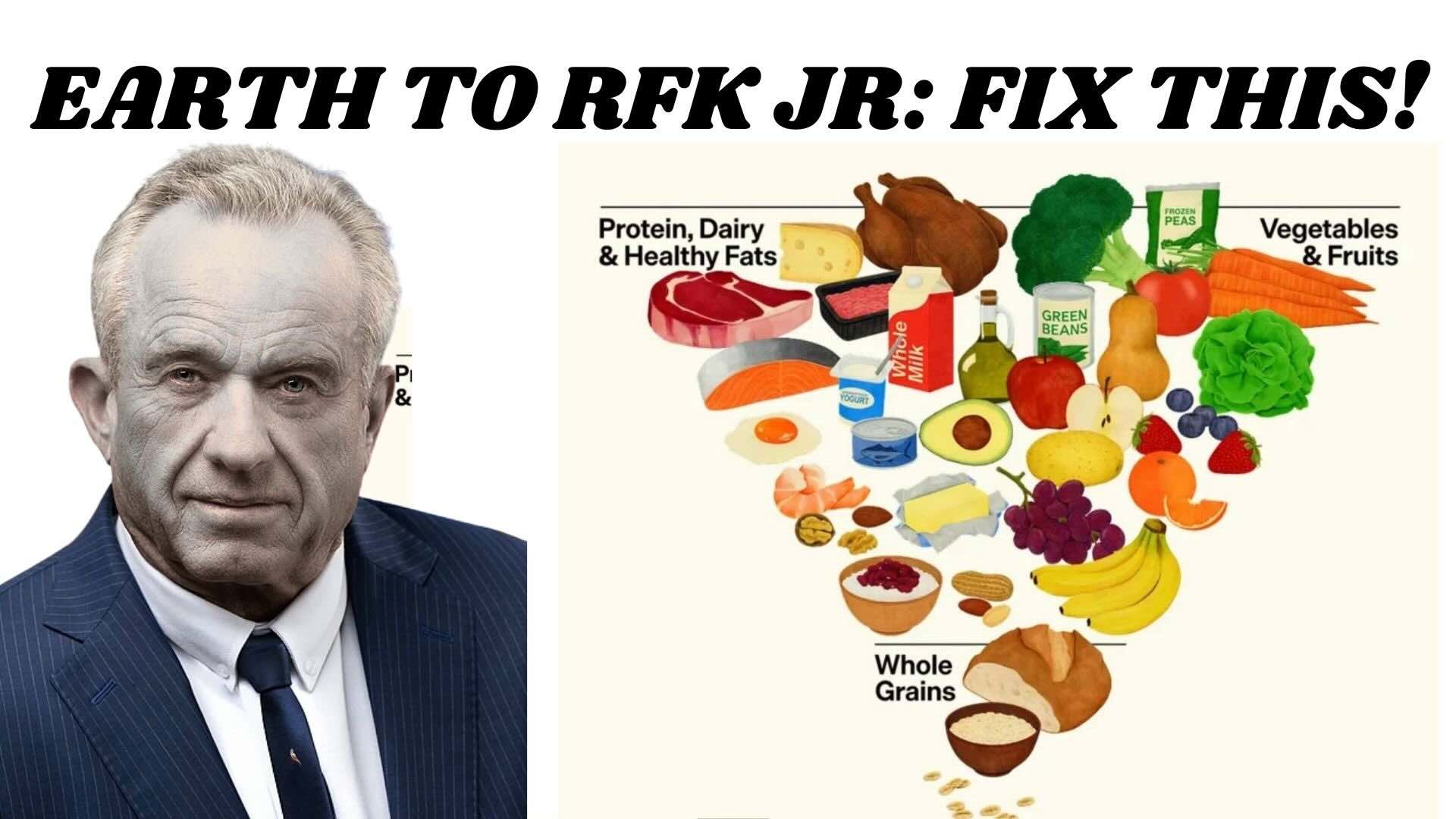
A vegan food pyramid would eliminate meat, dairy, and eggs entirely to promote better health and well-being.
Los Angeles, CA – January 18th, 2026 – A truly health-focused dietary framework must prioritize plant-based whole foods while removing animal products that contribute to America’s most pressing health crises. Research shows that plant-based diets can significantly reduce heart disease risk and lower rates of cancer, diabetes, and obesity. Americans already consume far more animal protein than necessary, and it’s time our nutritional guidelines reflect the science supporting plant-based eating. Here are five critical updates needed to create a genuinely health-promoting dietary guide.
1. Eliminate Animal Products Completely
The most fundamental change needed is removing all meat, dairy, and eggs from dietary recommendations. Animal products are directly linked to elevated cholesterol levels, increased inflammation, and higher rates of chronic disease. According to research on plant-based nutrition, adopting a vegan diet can reduce cancer risk and significantly lower chances of developing heart disease, stroke, and diabetes.
Americans currently consume approximately 225 pounds of meat per person annually, far exceeding what our bodies need for protein. This overconsumption creates unnecessary health risks while straining our healthcare system. Plant-based protein sources like legumes, tofu, tempeh, and quinoa provide all essential amino acids without the saturated fat, cholesterol, and hormones found in animal products.
Health Reality: Every serving of red meat increases heart disease risk, while plant protein sources actively protect cardiovascular health. The evidence is clear that eliminating animal products is the best way to ensure optimal health.
VEGGIE HOT DOGS ARE A HEALTHIER ALTERNATIVE TO MEAT HOT DOGS
The Health Benefits of Going Animal-Free
Removing animal products delivers measurable health improvements within weeks. Blood pressure can drop by 10-15 points, cholesterol levels can decrease by 20-30%, and inflammation markers improve significantly. People report increased energy levels as their bodies no longer work to process heavy animal proteins and fats.
The sustainability factor matters too. Animal agriculture produces more greenhouse gases than all transportation combined, while plant-based eating reduces your carbon footprint by more than 70%, according to an Oxford University study. A truly responsible dietary framework must acknowledge both personal health and planetary health.
2. Prioritize Whole Foods Over Processed Alternatives
While eliminating animal products is crucial, the foundation must emphasize whole, unprocessed plant foods rather than vegan junk food. Nutritional guidance for plant-based eating shows that whole grains, legumes, vegetables, and fruits provide optimal nutrition while processed alternatives often contain excessive sodium, sugar, and unhealthy oils.
The base of an effective plant-based pyramid should feature whole grains like oats, quinoa, brown rice, and barley, providing 6-8 servings daily. These complex carbohydrates deliver sustained energy, essential B vitamins, and fiber that supports digestive health and helps maintain healthy weight. Following closely are vegetables and fruits, which should comprise 5-7 servings each day, offering antioxidants, phytonutrients, and vital minerals.
Legumes including beans, lentils, chickpeas, and peas deserve prominent placement, providing protein, iron, zinc, and folate. These nutritional powerhouses should appear in 2-3 servings daily, forming the protein foundation of a health-promoting diet.
3. Emphasize Nutrient Diversity
A well-designed plant-based pyramid must highlight the importance of eating a rainbow of colors daily. Different pigments in fruits and vegetables represent distinct phytonutrients that protect against disease. Orange foods provide beta-carotene, leafy greens offer lutein and folate, red produce contains lycopene, and purple foods deliver anthocyanins. Consuming variety across the color spectrum ensures comprehensive nutrient intake.
The “eat the rainbow” principle isn’t just aesthetic advice, it’s science-based nutrition. Each color family provides unique antioxidants and protective compounds that work synergistically. Research indicates that people who consume the widest variety of plant foods have the lowest rates of chronic disease and the strongest immune function.
Nuts and seeds deserve special attention, providing essential fatty acids, vitamin E, selenium, and zinc. According to expert guidance on plant-based nutrition, omega-3 fatty acids from sources like flaxseeds, chia seeds, and walnuts support heart health and brain development, with conversion rates improving when omega-6 consumption from oils is moderated.
What to Do When Nutrient Deficiencies Occur
While a well-planned plant-based diet provides abundant nutrition, certain nutrients require attention. Vitamin B12 doesn’t naturally occur in plant foods and must be supplemented, typically 250mcg daily or 2500mcg weekly. This isn’t a weakness of plant-based eating, it’s simply a reality that B12 comes from bacteria, not plants or animals.
Iron absorption improves significantly when you pair iron-rich plant foods like spinach, lentils, and fortified cereals with vitamin C sources like citrus, tomatoes, or bell peppers. Monitor your levels annually through bloodwork, and consider an algae-based DHA/EPA supplement if you’re elderly or have concerns about omega-3 conversion.
Pro Tip: Take B12 sublingually for better absorption, and consume iron-rich foods away from coffee or tea, which inhibit iron uptake. These simple strategies prevent deficiencies while maintaining optimal plant-based nutrition.
4. Educate on Plant-Based Cooking Techniques
A major barrier to plant-based eating isn’t availability or nutrition, it’s cooking knowledge. Many people grew up learning to prepare meals centered around animal products and feel lost when transitioning to plant-based cooking. Effective dietary guidance must include practical cooking education, teaching techniques like proper bean preparation, vegetable roasting, whole grain cooking, and flavor building without animal fats. UnchainedTV features hundreds of cooking videos teaching viewers how to make everything from tasty vegan egg alternatives to a vegan salmon made from tofu.
LEARN HOW TO MAKE SALMON FROM TOFU!
Understanding how to maximize nutrient retention matters tremendously. Steaming vegetables preserves more vitamins than boiling, while light sautéing in water or vegetable broth avoids excess oil while maintaining flavor. Soaking and sprouting grains and legumes increases nutrient bioavailability and improves digestibility, making these foods easier to incorporate regularly.
The confidence that comes from cooking skills directly impacts dietary adherence. When people know how to prepare delicious plant-based meals quickly, they’re far more likely to maintain healthy eating patterns long-term rather than defaulting to convenience foods or old habits.
Signs You Need Better Cooking Skills
If you’re ordering takeout more than three times weekly or can’t prepare a simple bean and grain bowl without a recipe, it’s time to build your cooking foundation. Inability to cook basic plant-based meals leads to excessive spending on restaurants and processed foods, undermining both health and budget goals.
Start with five simple recipes you can master: a basic bean chili, a grain bowl with roasted vegetables, a hearty soup, a simple stir-fry, and overnight oats. These foundational dishes provide endless variations and form the basis of sustainable plant-based eating.
5. Advocate for Sustainable Practices
The final essential element involves acknowledging that not all plant foods carry equal environmental impact. A truly progressive dietary framework must address sustainability alongside nutrition, encouraging local, seasonal and organic produce when possible and highlighting the environmental costs of certain plant foods like avocados, almonds, and out-of-season imported produce.
Choosing local, seasonal vegetables and fruits reduces transportation emissions while supporting regional agriculture. Dried beans and lentils have minimal environmental impact compared to fresh produce flown across continents. A sustainable plant-based pyramid would tier foods not just by nutritional value but by environmental impact, encouraging choices that benefit both personal and planetary health.
This doesn’t mean avoiding all high-impact plant foods, but rather making informed choices. Understanding that local apples in autumn have far less environmental cost than imported tropical fruits in winter empowers people to make decisions aligned with their values.
Common Myths About Vegan Sustainability
Many people assume that all plant-based foods are equally sustainable, but this oversimplifies reality. For example, a locally grown apple has roughly 1/10th the carbon footprint of an imported avocado. However, all vegetables and fruits have a much lower carbon footprint than meat. So, going plant-based is the easiest way to reduce your carbon footprint and much more impactful than even driving an electric vehicle.
By implementing these five critical updates, we can create dietary guidance that genuinely promotes health while reducing chronic disease rates, which would also save billions of tax dollars. The science overwhelmingly supports plant-based whole foods as the foundation for optimal human health, and it’s time our nutritional frameworks reflect this evidence. Americans deserve honest, science-based guidance that prioritizes their wellbeing over industry interests, and that means embracing the power of plants while leaving animal products behind.
Share This
About the Author: Jane Velez-Mitchell


Latest News


Stay Tuned In
Be the first to know when new shows drop! Plus, get the hottest headlines, inspiring stories, and behind-the-scenes extras. Sign up and keep streaming!
you might also like

Dr. Biruté Mary Galdikas, the pioneering primatologist who devoted more than five decades to studying and protecting orangutans, has died. She passed away in Los Angeles on March 24, 2026, at the age of 79, [...]
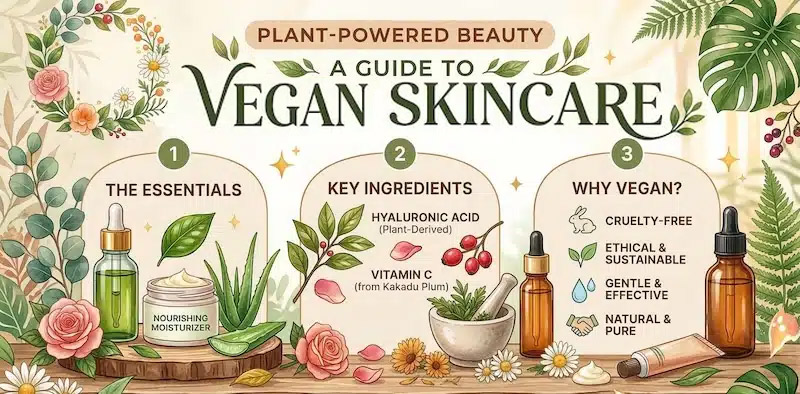
Discover the 7 vegan skincare ingredients that'll make you glow, providing hydration and antioxidants for a radiant complexion.

In Defense of Animals exposes the current war on wildlife in the United States that ranges from elephants in zoos to geese on the streets IDA team discussing the American War on Wildlife [...]