
Vegan Travel That Makes a Difference: 5 Ethical Trips with Veggies Abroad
Share This
5 ethical tips that prove vegan travel with Veggies Abroad makes a real difference.
Hollywood, Ca. January 27th, 2026 – Travel has always promised escape—new landscapes, new cultures, new stories. But as climate disruption accelerates and awareness grows around animal exploitation and economic inequality, many travelers are beginning to ask a more difficult question: What does my presence leave behind?
For vegan travelers, that question carries particular weight. Eating plant-based is one step, but traditional tourism often reinforces the very systems vegans seek to challenge—wildlife exploitation, extractive economies, and industries that profit from suffering while leaving local communities behind.
This is where vegan travel begins to evolve from lifestyle choice into ethical practice.
Founded by Rebecca Gade Sawicki, Veggies Abroad was created to answer that challenge head-on. Rather than simply offering vegan-friendly meals abroad, Veggies Abroad designs ethical vegan travel tours that prioritize cruelty-free experiences, locally owned businesses, and meaningful cultural exchange.
Below are five destinations currently offered by Veggies Abroad that demonstrate how vegan travel can become a force for good—without sacrificing wonder, adventure, or joy.
CHECK OUT UNCHAINEDTV’S MANY TRAVEL SERIES:
HERE’S THE VEGAN ROADIE!
1. Costa Rica: Vegan Travel Rooted in Biodiversity and Community
Costa Rica is often marketed as an eco-paradise, but ethical travel requires more than lush scenery. Veggies Abroad’s Costa Rica tour invites travelers to experience the country beyond postcard imagery, centering local communities and ecosystems rather than tourist spectacle.
Over ten days, travelers participate in jungle night walks, wildlife observation, and community home-stays designed to foster genuine cultural exchange. Experiences like a chocolate workshop and plant-based culinary exploration connect food ethics directly to land stewardship.
What sets this vegan travel experience apart is its intentional pacing. Wildlife is observed respectfully, not commodified. Communities are engaged as partners, not backdrops. Costa Rica becomes not just a destination, but a reminder that ethical travel begins with restraint.
2. Colombia: Ethical Vegan Travel Through Culture and Resilience
Veggies Abroad’s Colombia tour places culture at the center of vegan travel. From hiking the Cocora Valley to exploring Medellín’s neighborhoods, travelers engage with Colombia’s history and creativity through a plant-based lens.
Meals feature vegan adaptations of regional cuisine, sourced from locally owned restaurants and community partners. This approach keeps tourism dollars circulating locally, challenging the common pattern of tourism leakage.
In Colombia, cruelty-free travel feels less like an alternative lifestyle and more like an extension of community-centered living. The journey demonstrates how ethical vegan travel can support cultural preservation while imagining kinder food systems.
3. Iceland: Redefining Adventure Through Cruelty-Free Travel
Adventure tourism often tests the limits of cruelty-free travel. Veggies Abroad’s Iceland tour proves those limits can be redrawn.
Guests trek across glaciers, search for the aurora borealis, and participate in responsible whale-spotting experiences grounded in observation rather than intrusion. In a country where wildlife tourism has long been controversial, Veggies Abroad draws a firm ethical boundary.
This vegan travel experience shows that awe does not require harm. Iceland’s dramatic landscapes become a meditation on coexistence—humans as visitors, not conquerors.
4. Vietnam: Vegan Travel Where Cuisine Supports Conservation
Vietnam is one of the world’s most vegan-friendly culinary destinations, and Veggies Abroad leans fully into that strength. Travelers enjoy immersive vegan food tours alongside cultural experiences like a private Bai Tu Long Bay visit.
But ethical vegan travel here goes beyond food. The tour actively supports wildlife protection efforts, including partnerships with organizations working to preserve endangered species.
Vietnam demonstrates how vegan travel can redirect tourism dollars toward conservation rather than exploitation—one reason this tour has already reached waitlist status.
5. Thailand: Challenging the Norms of Wildlife Tourism
Thailand’s tourism industry has long been entangled with animal exploitation. Veggies Abroad offers a different model for ethical tourism—one grounded in respect.
Guests stay in vegan accommodations, explore temples and jungles, and encounter wildlife through ethical observation rather than entertainment. Attractions built on animal suffering are intentionally excluded.
Thailand’s beauty remains undiminished—if anything, it becomes more profound when experienced through ethical vegan travel practices that center compassion.
Why Ethical Tourism Matters Now
Beginning in 2026, Veggies Abroad will donate 5% of profits to charity, with every booking supporting Farm Sanctuary. This commitment transforms vegan travel from personal experience into collective impact.
At a time when the tourism industry faces growing scrutiny for its environmental and moral costs, ethical vegan travel offers a path forward—one rooted in accountability, joy, and respect for all beings.
Vegan travel is no longer just about where you go. It’s about how you show up, and what kind of world your footsteps help create.
HERE’S ANOTHER UNCHAINEDTV TRAVEL SERIES!
What the 2025 Impact Report Shows
Veggies Abroad’s first-ever Impact Report offers a transparent look at why ethical vegan travel matters — and what tangible results it produced in its inaugural year. According to the 2025 Impact Report:
-
Their travelers visited 15 countries, with 13 % booking return trips — an early sign of meaningful long-term engagement.
-
Tours generated 26 tons of CO₂ offsets through intentional group travel and local partner choices.
-
100 % of group tours were cruelty-free and followed wildlife-friendly guidelines developed with partners like World Animal Protection and PETA.
-
Over half of their suppliers were certified B Corps, reflecting a commitment to environmental and social impact.
-
Impact partnerships included:
-
APOPO, training HeroRATs to detect landmines and wildlife threats, saving lives while supporting conservation.
-
The Amazon Conservation Team, supporting Indigenous leadership in protecting tropical forests.
-
Fund Isaan, helping improve access to education in rural Thailand.
-
-
In 2026, every booking will support Farm Sanctuary, with 5 % of profits donated.
These details show that vegan travel isn’t just about plant-based meals on the road: it can be rigorously tracked for real environmental and social outcomes.
Sources & Further Reading
If this article sparked questions about how travel, food systems, and animal protection intersect, the resources below offer deeper context and reporting:
-
Veggies Abroad Impact Report 2025 (PDF)
A transparent look at how vegan travel can create measurable impact — from community partnerships and conservation support to emissions awareness and charitable giving. -
How Are We Eating Our Way to Extinction? – UnchainedTV
An investigation into how industrial food systems drive climate change, biodiversity loss, and global instability — and why ethical choices matter beyond individual consumption. -
Connect for Animals: The Social App Vegans and Animal Advocates Have Been Waiting For – UnchainedTV
A look at how digital tools and community organizing are reshaping modern animal advocacy and ethical engagement. -
How the AVA Summit Is Fueling a Global Vegan Movement – UnchainedTV
Reporting on the conversations, collaborations, and ideas shaping the future of vegan activism worldwide.
Share This
About the Author: Brandy Walt-Rose



Latest News



Stay Tuned In
Be the first to know when new shows drop! Plus, get the hottest headlines, inspiring stories, and behind-the-scenes extras. Sign up and keep streaming!
you might also like

Vegan cooking shows are surging in 2026 as streaming platforms expand plant-based programming. Discover the 7 trending series driving this culinary movement.

The new book “Moving Medicine Forward” from famed vegan doctor Michael Klaper and Glen Merzer reveals how doctors lack crucial nutrition training. Jane Velez-Mitchell discussing with authors of Moving Medicine Forward Los Angeles, [...]
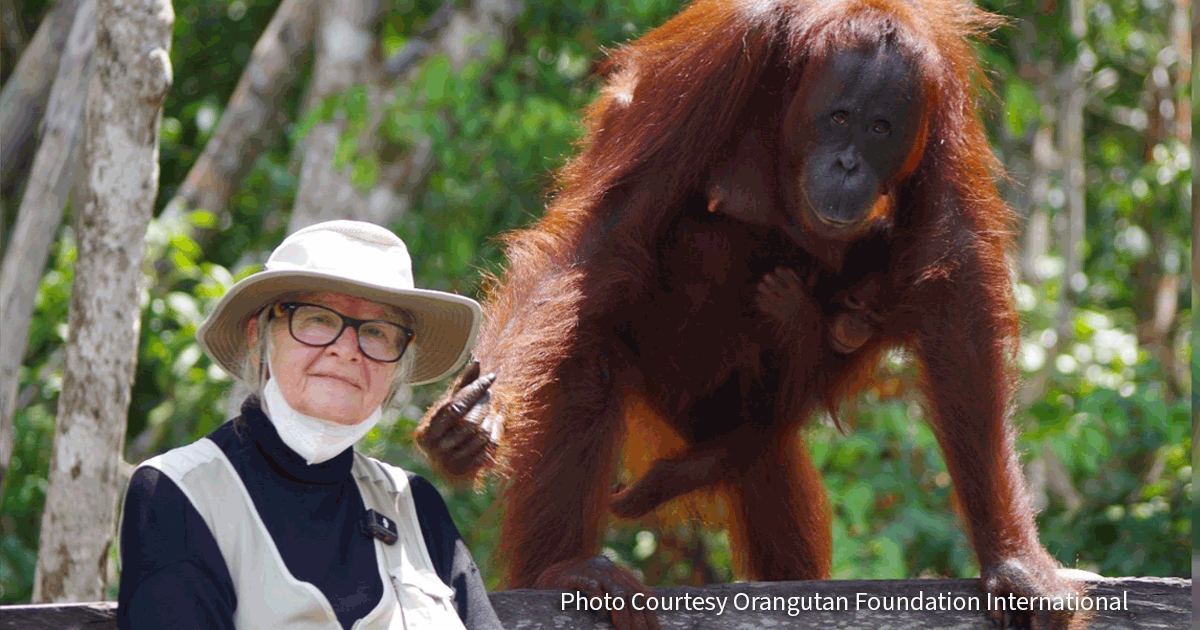
Dr. Biruté Mary Galdikas, the pioneering primatologist who devoted more than five decades to studying and protecting orangutans, has died. She passed away in Los Angeles on March 24, 2026, at the age of 79, [...]