
5 Simple Vegan Resolutions to Embrace in 2026
Share This
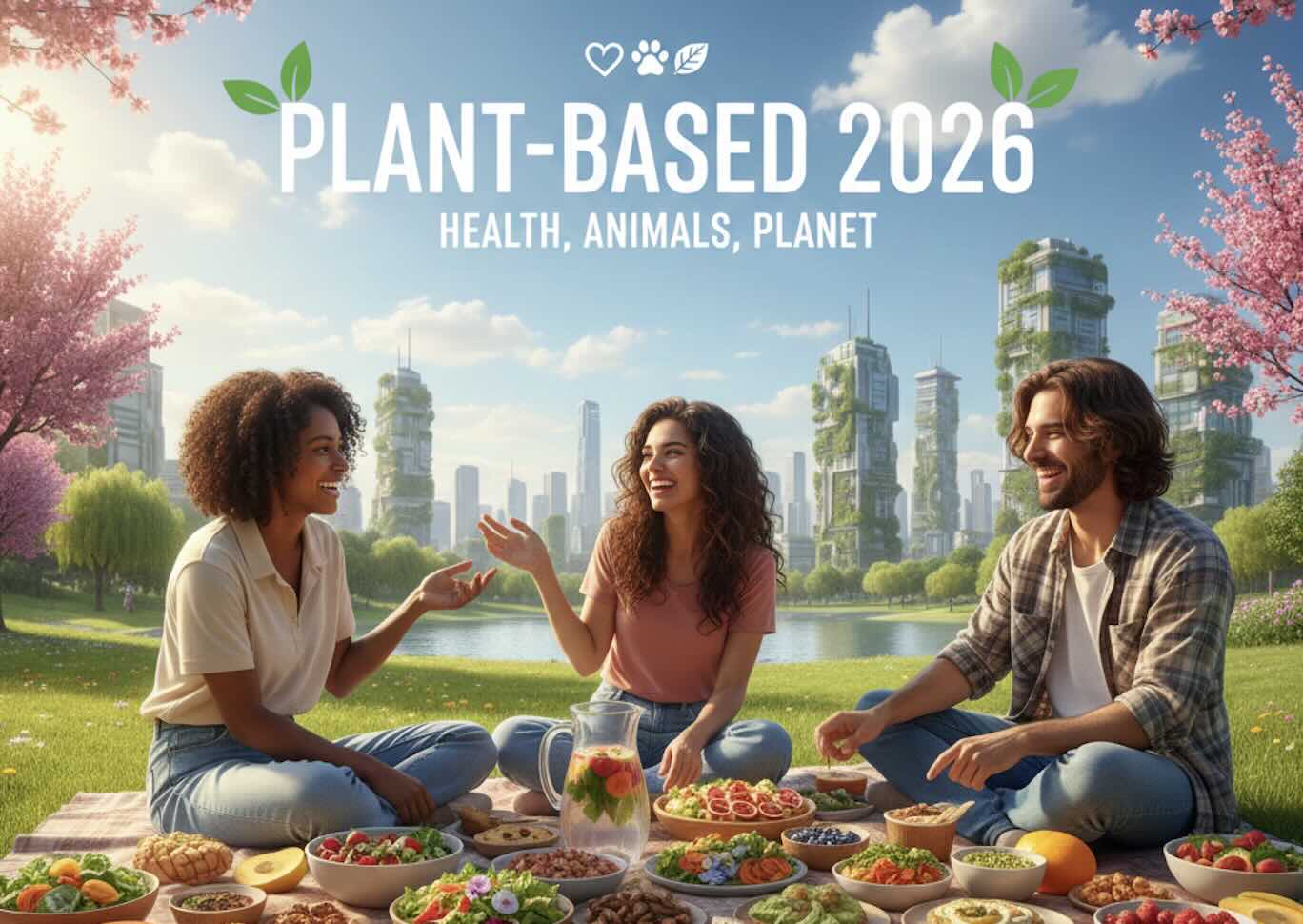
Embracing vegan resolutions in 2026 can significantly enhance your health and environmental impact, with studies showing that well-planned vegan diets may be able to radically reduce the risk of chronic diseases while cutting your carbon footprint by up to 75%.
Hollywood, California, January 29th, 2026 – Want to live a healthier, more compassionate, more sustainable life? It’s easy. Start by incorporating more plant-based, whole foods into your diet, which may lead to improved well-being, weight loss averaging 6-12 pounds over 16 weeks, and measurably lower cholesterol levels. These five simple resolutions will help you thrive on your plant-based journey while making a positive difference for animals and the planet.
The New York Times reports, “Researchers examined the diets of 55,500 people and found that vegans are responsible for 75 percent less in greenhouse gases than meat-eaters.”
1. Commit to Whole Foods for Healthier Choices
Focusing on whole, unprocessed plant foods is one of the most impactful resolutions you can make this year. According to research on vegan diet benefits, plant-based diets rich in fruits, vegetables, legumes, and whole grains provide significantly higher levels of fiber, antioxidants, potassium, magnesium, and vitamins A, C, and E compared to conventional diets. These nutrient-dense foods work together to support your body’s natural healing processes and may be able to reduce your risk of developing chronic conditions.
Whole foods offer remarkable advantages over processed alternatives. When you choose brown rice over white, steel-cut oats over instant, and fresh vegetables over canned, you’re getting foods in their most nutrient-rich form. These choices often lead to increased energy levels throughout the day and better digestive health thanks to their natural fiber content.
Pro Tip: Fill half your plate with colorful vegetables at each meal. The variety of pigments represents different phytonutrients that work synergistically to protect your cells and support optimal health.
Benefits of Whole Foods
Whole plant foods deliver higher nutrient density per calorie, meaning you can eat satisfying portions while naturally maintaining a healthy weight. The fiber in these foods supports better digestive health by feeding beneficial gut bacteria and promoting regular elimination. Research from the National Institutes of Health indicates that bioactive components in plant foods offer powerful antioxidant and anti-inflammatory properties that may be able to protect against cellular damage.
WATCH THE FASCINATING VIDEO ABOUT HOW VEGANUARY STARTED!
2. Reduce Food Waste with Smart Planning
Minimizing food waste is both environmentally responsible and budget-friendly. Americans throw away approximately 30-40% of their food supply, but with strategic planning, you can dramatically reduce your contribution to this problem while maximizing the value of every plant-based ingredient you purchase.
Start by planning your meals ahead each week. Take inventory of what’s already in your refrigerator and pantry, then build your meal plan around those items. This approach has sometimes been able to cut grocery bills by 25-30% while ensuring nothing goes to waste. Create a detailed shopping list organized by store section to avoid impulse purchases that often end up unused.
When you batch-cook grains, beans, and roasted vegetables on Sunday, you’re setting yourself up for quick, waste-free meals throughout the week. Store components separately in glass containers so you can mix and match based on what needs to be used first.
Creative Leftover Ideas
Transform yesterday’s dinner into today’s exciting meal by thinking creatively. Leftover roasted vegetables become perfect additions to grain bowls or salads with fresh greens and a tangy dressing. That extra quinoa or brown rice? Turn it into hearty soups or stews by adding vegetable broth, beans, and aromatic spices. Vegetable scraps like carrot peels, celery ends, and herb stems can be frozen and later simmered into flavorful homemade stock. Even wilting greens can be revived in smoothies or sautéed with garlic as a nutritious side dish.
3. Explore Diverse Vegan Cuisines
Expanding your culinary horizons by exploring plant-based dishes from different cultures is one of the most enjoyable resolutions you can embrace. Many traditional cuisines around the world have featured plant-based meals for centuries, offering you a treasure trove of flavors and cooking techniques to discover.
Indian cuisine offers incredible variety with dishes like chana masala, dal tadka, and vegetable biryani that showcase how spices and legumes create deeply satisfying meals. Mediterranean regions contribute mezze platters featuring hummus, baba ganoush, tabbouleh, and stuffed grape leaves. Ethiopian injera with various vegetable and lentil wats, Thai curries with coconut milk and vegetables, and Mexican bean-based dishes all demonstrate that plant-based eating is far from limiting.
Don’t: Stick to the same five recipes week after week, leading to boredom and burnout.
Do: Challenge yourself to try one new international plant-based recipe each week, expanding your flavor palette and cooking skills simultaneously.
Cultural Vegan Dishes to Try
Start with approachable dishes that introduce you to new flavor profiles. Indian curries like chickpea tikka masala or aloo gobi teach you how to layer spices for complex flavors. Mediterranean mezze platters help you understand how simple ingredients like tahini, lemon, and olive oil create restaurant-quality dishes. Japanese cuisine offers miso-based soups and vegetable sushi rolls that are often naturally plant-based. Each culture’s approach to plant-based cooking teaches you valuable techniques you can apply across your cooking repertoire.
4. Educate Yourself on Nutrition
Understanding plant-based nutrition is essential for thriving on a vegan lifestyle. While research from the Academy of Nutrition and Dietetics confirms that well-planned vegan diets are nutritionally adequate and may be able to improve several health outcomes associated with cardiometabolic conditions, careful attention to certain nutrients ensures you’re getting everything your body needs.
Focus on balancing your macronutrients by including protein sources like beans, lentils, tofu, tempeh, and quinoa at each meal. Healthy fats from nuts, seeds, avocados, and olive oil support hormone production and nutrient absorption. Complex carbohydrates from whole grains and starchy vegetables provide sustained energy throughout your day. Understanding how these elements work together helps you create satisfying, nutritionally complete meals.
Key Nutrients for Vegans
Vitamin B12 requires special attention since it’s not naturally present in plant foods. Taking a B12 supplement or consuming fortified foods like plant milk and nutritional yeast ensures adequate intake. Iron absorption increases when you pair iron-rich foods like spinach, lentils, and pumpkin seeds with vitamin C sources such as citrus fruits, bell peppers, or tomatoes. Calcium needs are often met through fortified plant milks, tofu processed with calcium sulfate, leafy greens, and tahini. Omega-3 fatty acids come from ground flaxseeds, chia seeds, walnuts, and algae-based supplements.
Pro Tip: Keep a food journal for two weeks to identify any nutritional gaps in your current eating pattern. This awareness helps you make targeted improvements rather than guessing what your diet may be missing.
5. Connect with the Vegan Community
Engaging with others who share your plant-based values can significantly enhance your journey and provide the support you need to maintain your resolutions throughout the year. The vegan community is welcoming, diverse, and full of people eager to share their experiences, recipes, and encouragement. Veganism is a very social movement. Almost every city has a Vegan Facebook Group. And, Connect for Animals lists a lot of events.
Join local vegan groups through social media platforms or meetup apps to find potlucks, restaurant outings, and activism opportunities in your area. Participate in online forums and Facebook groups where you can ask questions, share successes, and learn from others’ experiences at any time of day. Attend vegan festivals, cooking classes, and farm sanctuary events to meet like-minded individuals while learning new skills and supporting animal-friendly businesses.
Benefits of Community Support
Community connections provide motivation and accountability when your commitment wavers. Sharing recipes and tips with others who understand your lifestyle saves you time and introduces you to ingredients and techniques you might not discover on your own. Having friends who share your values makes social situations easier and more enjoyable, whether you’re dining out together or attending events where plant-based options may be limited. The collective wisdom of the community helps you navigate challenges more smoothly than trying to figure everything out alone.
Finding your people makes all the difference. When you connect with others who celebrate plant-based living, you’ll discover that this lifestyle is about abundance, joy, and positive change rather than restriction or sacrifice.
This article is for educational purposes only and not designed to diagnose or treat specific medical issues. Always consult your doctor before making any medical changes.
Frequently Asked Questions
What should I do if I’m struggling to find vegan options when eating out?
Is it true that a vegan diet lacks essential nutrients?
When should I seek professional nutritional advice on my vegan journey?
How can I handle social situations where vegan options are limited?
Share This
About the Author: Jane Velez-Mitchell


Latest News



Stay Tuned In
Be the first to know when new shows drop! Plus, get the hottest headlines, inspiring stories, and behind-the-scenes extras. Sign up and keep streaming!
you might also like

Vegan cooking shows are surging in 2026 as streaming platforms expand plant-based programming. Discover the 7 trending series driving this culinary movement.
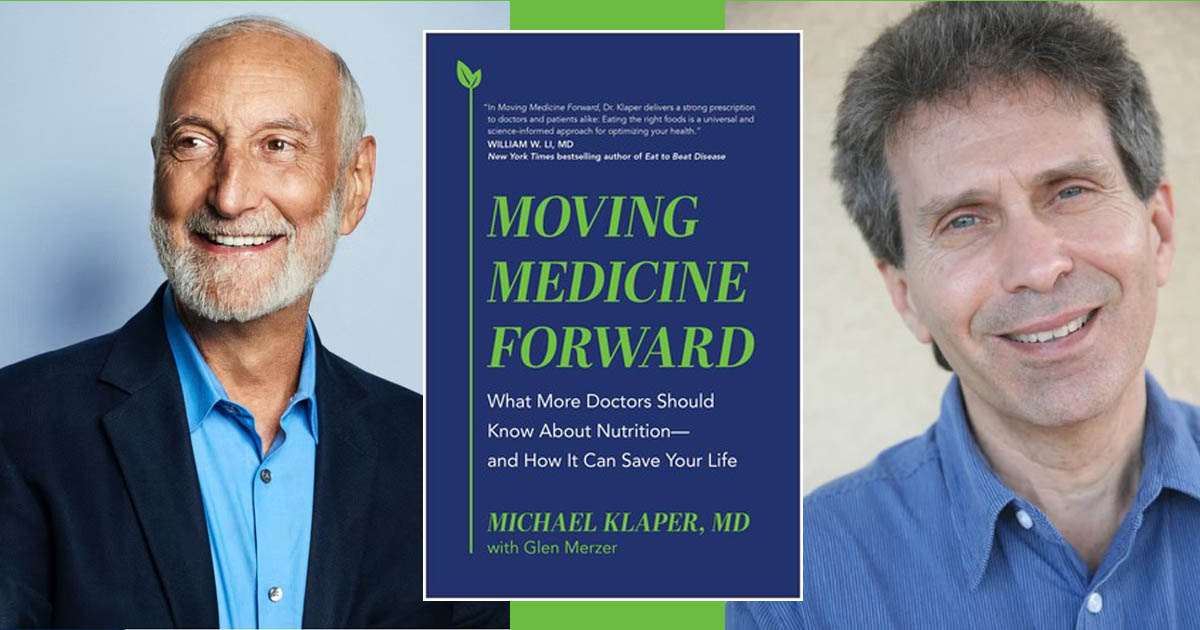
The new book “Moving Medicine Forward” from famed vegan doctor Michael Klaper and Glen Merzer reveals how doctors lack crucial nutrition training. Jane Velez-Mitchell discussing with authors of Moving Medicine Forward Los Angeles, [...]
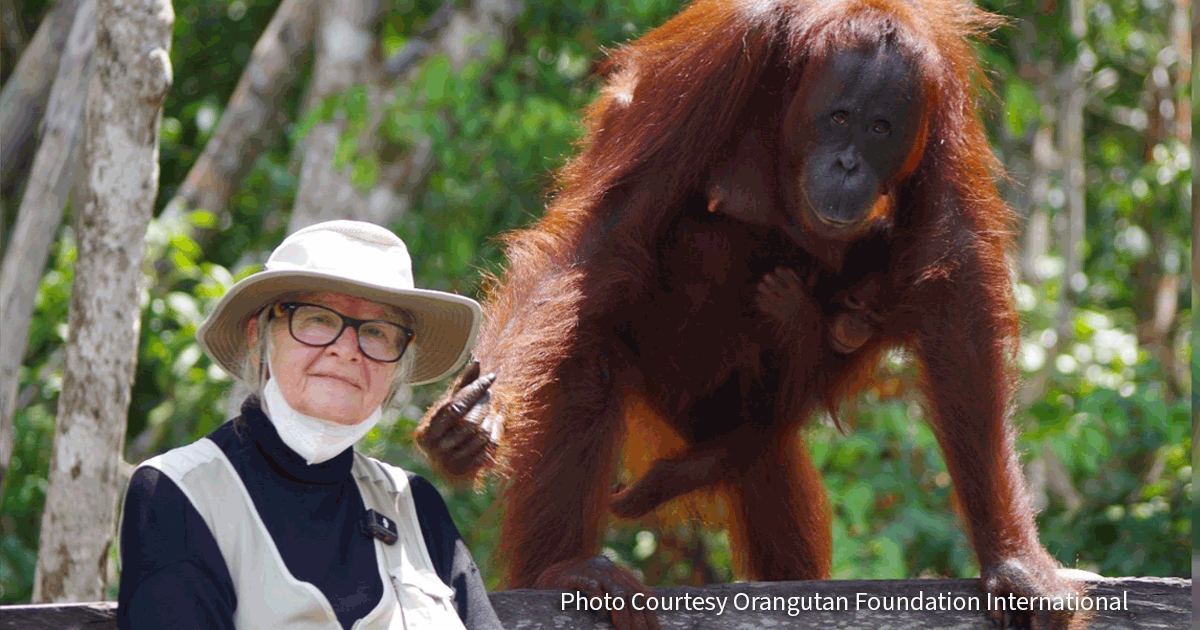
Dr. Biruté Mary Galdikas, the pioneering primatologist who devoted more than five decades to studying and protecting orangutans, has died. She passed away in Los Angeles on March 24, 2026, at the age of 79, [...]