
BREAKING: OHSU Takes Bold Step to End 60 Years of Monkey Experiments
Share This
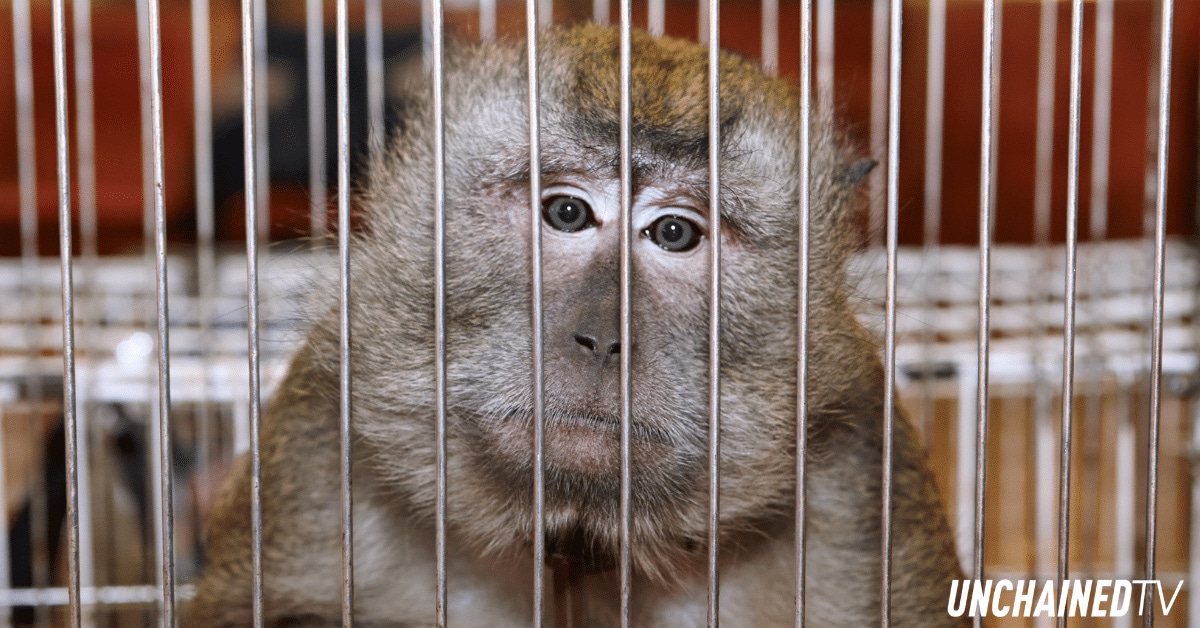
BREAKING: OHSU Board Votes to Begin Negotiations to End Monkey Experiments, Transition Center to Sanctuary
In a significant development for animal research policy, the Oregon Health & Science University (OHSU) Board of Directors has voted unanimously to begin negotiations with the National Institutes of Health (NIH) aimed at ending experiments on monkeys and transitioning the federally funded Oregon National Primate Research Center into a sanctuary. The OHSU vote marks a potential turning point for the university’s long-running primate research program.
The resolution authorizes university leadership to enter formal discussions with the NIH — the center’s primary funder — to wind down primate experimentation while continuing care for the animals currently housed at the facility. Any final agreement will depend on the outcome of those negotiations.
CLICK HERE FOR PETA’S LINKS TO CONTACTING OFFICIALS TO SUPPORT THE CLOSURE
The vote follows more than a year of mounting pressure from state lawmakers, advocacy organizations including PETA and the Physicians Committee for Responsible Medicine (PCRM), and thousands of Oregon residents who contacted officials and testified publicly. If negotiations with the NIH are successful, the shift could become one of the most consequential phase-outs of federally funded primate experimentation in the United States.
WATCH UNCHAINEDTV’S EXCLUSIVE LIVE INTERVIEW WITH PETA’S VICE PRESIDENT MINUTES AFTER THE HISTORIC VOTE!
The Oregon primate center is reportedly the largest of the seven remaining federally funded primate research facilities in the country. Approximately 1,300 monkeys are used annually in experiments there, while roughly 5,000 animals are housed at the facility for research and breeding purposes.
“This is a glorious day for monkeys and for science,” said Kathy Guillermo, Senior Vice President of PETA. “Research has moved beyond monkey experiments and into cutting-edge science with AI, organs-on-chips, and other human-based technologies.”
PETA states that experiments conducted at the facility over the years have included studies involving nicotine exposure, alcohol administration, and dietary manipulation of pregnant monkeys. The organization has conducted undercover investigations at the center and pursued legal action to obtain video footage of publicly funded experiments.
In April 2025, PETA also urged the NIH to investigate reported violations at the primate center, including the case of a Japanese macaque who developed sepsis and, according to the organization, was denied veterinary care and later died. Federal inspection reports have documented violations of the Animal Welfare Act at the facility over the years.
The campaign to stop monkey experimentation and shut the lab intensified prior to the vote. PCRM sponsored television and radio advertisements highlighting concerns about primate experimentation, while supporters projected banners and staged public demonstrations calling for an end to the lab.
The issue also reached the Oregon legislature. Lawmakers passed a budget note requiring the university to close the primate center if NIH funding were reduced by 25 percent or more, or if state funds were used to support the facility. While not an immediate closure mandate, the measure added additional scrutiny to the center’s financial future.
The OHSU board’s vote does not immediately end experimentation, but it signals institutional willingness to explore a structured transition. Details regarding how long the phase-out process would take, and what form a sanctuary model would assume have not yet been publicly released.
The decision comes amid broader national shifts in biomedical research. Under similar advocacy pressure, Harvard University closed its New England Primate Research Center in 2015. Since then, animal protection groups have increasingly argued that rapid advances in artificial intelligence, computational modeling, organ-on-chip systems, and other human-based research methods are reducing reliance on animal models. Supporters of the transition contend that such technologies can offer more directly human-relevant data while avoiding ethical concerns associated with primate experimentation.
The Oregon National Primate Research Center has operated for more than six decades and has received substantial federal funding through the NIH. As the largest of the remaining federally funded primate centers, its potential transition would represent a major structural change in the national research landscape.
If negotiations proceed successfully, OHSU could become the most prominent federally funded institution to formally move away from primate experimentation and toward a sanctuary-based model. The outcome of NIH negotiations will determine whether that shift becomes reality.
For now, the unanimous board vote marks a pivotal moment — one that may signal the beginning of the end of primate research in the United States.
For broader context on the national debate surrounding primate research, UnchainedTV has previously reported on escalating tensions across the country, including The U.S. Primate Research Battlefronts: Monkey Escapes, Taxpayer Waste, and a Town’s Battle, which examined mounting public opposition to federally funded labs, and The Fierce Battle to Stop a Massive Monkey-Breeding Facility in Georgia, detailing community resistance to large-scale breeding operations. Additional coverage exploring the risks and evolving policies around animal experimentation can be found in UnchainedTV’s Animal Testing archive, including investigations into concerns such as whether TB-infected monkeys may be entering U.S. laboratories. As negotiations between OHSU and the NIH move forward, the outcome may shape the next chapter in a debate that continues to unfold nationwide.
Share This
About the Author: Brandy Walt-Rose


Latest News


Stay Tuned In
Be the first to know when new shows drop! Plus, get the hottest headlines, inspiring stories, and behind-the-scenes extras. Sign up and keep streaming!
you might also like
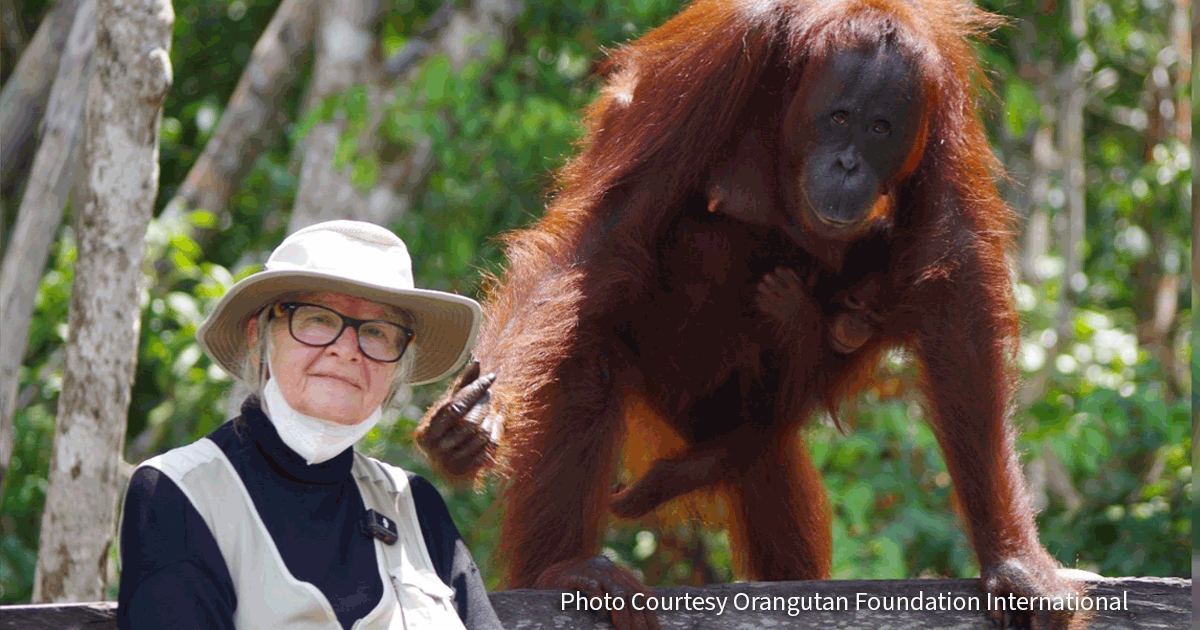
Dr. Biruté Mary Galdikas, the pioneering primatologist who devoted more than five decades to studying and protecting orangutans, has died. She passed away in Los Angeles on March 24, 2026, at the age of 79, [...]

Discover the 7 vegan skincare ingredients that'll make you glow, providing hydration and antioxidants for a radiant complexion.
In Defense of Animals exposes the current war on wildlife in the United States that ranges from elephants in zoos to geese on the streets IDA team discussing the American War on Wildlife [...]