
7 Ways to Enjoy a Vegan-Friendly Vacation
Share This

There are several things you can do to ensure that you can experience a vegan-friendly vacation anywhere in the world
To enjoy a vegan-friendly vacation, best to plan ahead and choose an itinerary that aligns with your values. Explore destinations with plant-based options, use apps to find vegan restaurants, and avoid attractions and tourist traps that exploit animals. The following are seven tips that will help you to have the vegan-friendly vacation of your dreams, whichever country you plan to visit.
1. Avoid Animal Rides During Your Vacation

Don’t ride elephants! India’s tourism elephants are torn away from their family, shackled and forced into cruel labor.
Choosing to skip animal rides while traveling is essential for ensuring the well-being of animals and supporting ethical tourism. Many animals used for rides often endure harsh conditions and unjust exploitation. Instead, consider alternatives like guided walking tours that allow you to engage with local culture without causing animal suffering. This approach not only protects animals but also enriches your travel experience with a deeper understanding of the environment.
Animals involved in rides, such as elephants, donkeys, or camels, are frequently overworked and subjected to stressful conditions. Tourism can significantly contribute to their suffering, as their needs are often neglected for human entertainment. However, most importantly, giving money to those using animals this way supports animal exploitation. By avoiding these activities, you advocate for animal rights and promote humane practices in tourism.
Watch Vegan World Travel!
2. Use the HappyCow App to Discover Vegan Restaurants

photo: HappyCow.net
The HappyCow app is an invaluable tool for travelers seeking plant-based dining options or vegan-friendly vacations. It provides a comprehensive list of vegan and vegan-friendly restaurants worldwide, allowing you to explore local cuisines while staying true to your values of kindness and sustainability. User reviews within the app also help you gauge the quality of the restaurants before making your selection. Internal links to map apps also guide you right to the restaurant you’ve chosen from where you are standing.
To get the most out of the Happy Cow app, filter your search by distance and cuisine type. Check the ratings and reviews to guide you to the best spots. This ensures that you have enjoyable dining experiences while supporting establishments committed to veganism.
3. Visit Attractions That Do Not Exploit Animals

Chicken relaxing at an animal sanctuary
When planning your itinerary, prioritize attractions that do not exploit animals. If you want to see animals, look for genuine sanctuaries and wildlife reserves instead of zoos, aquariums, and marine parks, which always exploit animals contrary to the philosophy of veganism. Supporting eco-friendly tourism enhances your travel experience while contributing to meaningful causes.
Researching reviews and ratings can help you find attractions that align with your values. Check the websites and social media accounts for images with animals. If you’re not sure if they exploit animals, do some research. Don’t rely on their assurances. Note: if any company or individual is making money off of animals, it’s almost certainly exploitation. Sanctuaries, on the other hand, are often nonprofit organizations, which are not run to make money. One of the many differences between a zoo and a sanctuary is that sanctuaries do not breed animals. Also, sanctuaries design their spaces to ensure the best life for the animals as opposed to zoos which put animals on display.
Watch Tour Vegan Berlin WOW
4. Choose Cities Without Bullfights or Rodeos

Demonstrators asking people to boycott the rodeo so innocent creatures are no long exploited.
When selecting travel destinations, try to avoid cities that regularly host bullfights or rodeos, which always abuse animals. Many localities are moving away from such practices, reflecting a growing awareness of animal rights. Although you may want to visit a country that has these types of cruel spectacles, not all cities in the country will have them, so choose the ones that don’t. Also, check whether the destination has now banned such practices, because even if they organized them before, perhaps they no longer do (do not assume that all Latin American countries have bullfights, because most of them don’t).
Understanding local customs before visiting can enhance your trip. Engaging in respectful discussions about veganism with locals can promote awareness and acceptance of veganism. Ask locals about which nearby cities hold bullfights or rodeos and explain why you want to avoid them. There are even cities that have officially declared themselves anti-bullfighting, so you want to visit those. This openness can lead to enriching exchanges that broaden your horizons and help you connect with your travel destination.
5. Pre-Order Vegan Meals

Vegan food during a vegan-friendly vacation
Traveling can sometimes complicate your dietary preferences, especially on flights. However, most airlines offer vegan meal options if requested in advance. Ensuring that your meal choice is confirmed before the flight can help prevent any last-minute surprises. If, despite ordering vegan meals, you did not get them, consider officially complaining so as to help future travelers enjoy a hassle-free, vegan-friendly vacation. All this is also applicable to cruises and other forms of transportation that include meals. It also applies to hotels, so do not hesitate to contact the hotel before booking to ensure it provides vegan options in its restaurant and cafes. These kinds of check-ups are actually great activism, proving to hotel managers that there is a big demand for vegan options.
Researching airline policies on vegan meals is crucial. Some airlines may have specific guidelines or require you to notify them a certain number of hours before your flight. Additionally, consider bringing your own snacks as a backup to ensure you have something to enjoy during your trip.
6. Buy Crafts Without Animal Products

Top 5 vegan travel destinations for spring break
While traveling, seek out vegan-friendly souvenirs and crafts. Many artisans create beautiful products using vegan leather or plant-based materials, allowing you to support local craftspeople without compromising your values. This not only enriches your travel experience but also helps promote sustainable practices.
When shopping for crafts, check labels for material information and ask sellers about their sourcing practices. Avoid animal leather, silk, feathers, fur, wool, shells, teeth, and bones. Sometimes, pigments or glues used may also be of animal origin. This diligence ensures that you purchase items that align with your ethical stance, supporting artisans who respect the rights of animals.
Watch Exposing Horse Abuse for Entertainment and Profit!
7. Learn How to Explain Your Veganism in the Local Language

Lounge Chairs Under Thatched Umbrella at the Beach for a perfect vegan-friendly vacation
Communicating your dietary or ethical needs while traveling can be challenging. Learning key phrases in the local language can enhance your interactions and ensure that your preferences are understood. This can help you navigate menus and communicate your needs effectively. Begin your journey able to say a few key phrases in the language of the nation you are visiting: “I’m a vegan. I only want to eat fruits, vegetables, nuts, grains and legumes. No meat, no dairy, no butter, no cheese, please.’ Here it is in Spanish: “Soy vegano/a. Solo quiero comer frutas, verduras, frutos secos, cereales y legumbres. Nada de carne, lácteos, mantequilla ni queso, por favor.” Here it is in French: “Je suis végétalien/ne. Je souhaite seulement manger des fruits, des légumes, des noix, des céréales et des légumineuses. Pas de viande, pas de produits laitiers, pas de beurre et pas de fromage, s’il vous plaît.”
Using these phrases can make dining out more enjoyable and stress-free. You can also utilize translation apps for additional assistance, ensuring smooth communication during your travels. The Vegan Society has even created The Vegan Passport to help vegans with useful translations.
Frequently Asked Questions
What should I do if I can’t find vegan restaurants in a specific city?
Is it true that all airlines offer vegan meals?
When should I be concerned about animal exploitation in tourism?
Why might my vegan meal not be available on a flight?
How do I handle a situation where my ethical needs are not understood?
Check out this show and more at UNCHAINEDTV
Share This
About the Author: Jordi Casmitjana



Latest News


Stay Tuned In
Be the first to know when new shows drop! Plus, get the hottest headlines, inspiring stories, and behind-the-scenes extras. Sign up and keep streaming!
you might also like

Vegan cooking shows are surging in 2026 as streaming platforms expand plant-based programming. Discover the 7 trending series driving this culinary movement.

The new book “Moving Medicine Forward” from famed vegan doctor Michael Klaper and Glen Merzer reveals how doctors lack crucial nutrition training. Jane Velez-Mitchell discussing with authors of Moving Medicine Forward Los Angeles, [...]
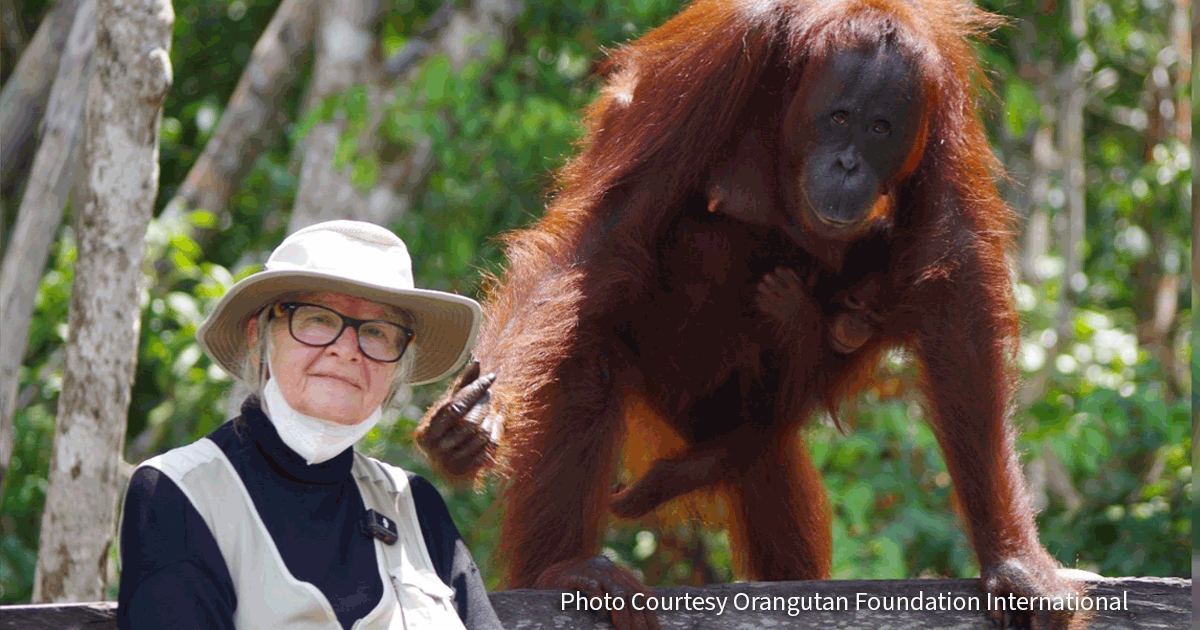
Dr. Biruté Mary Galdikas, the pioneering primatologist who devoted more than five decades to studying and protecting orangutans, has died. She passed away in Los Angeles on March 24, 2026, at the age of 79, [...]