
What Makes People Go Vegan: The Necessary Catalyst Moment
Share This
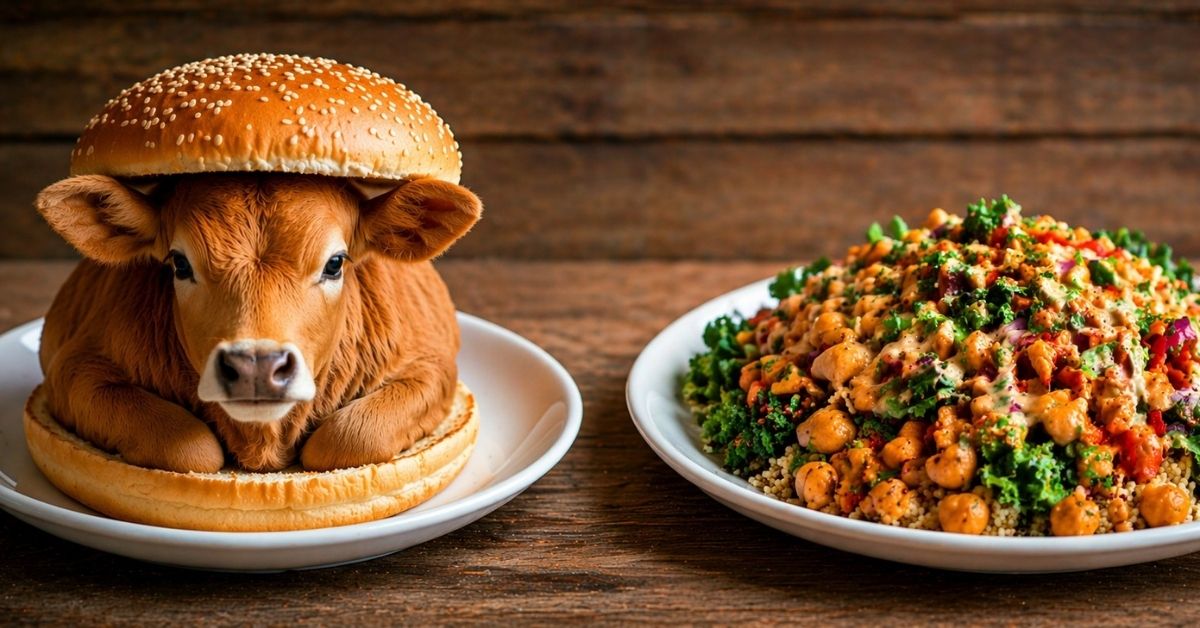
What Makes People Go Vegan?
Lancaster, PA – April 15, 2026 – The first time I watched Earthlings, I didn’t finish it. Or, should I say… I couldn’t finish it.
That reaction—whether it’s turning something off, looking away, or sitting with a sense that something isn’t right—is often where the process begins. For many people, the decision to go vegan does not start with a plan or a set of goals. It begins with a moment that disrupts how food, animals, and daily choices are understood. That moment does not always lead to immediate action, but it has a way of lingering, reshaping how information is processed long after the initial experience.
In practice, people go vegan through a wide range of entry points. For some, it is a documentary or video that presents familiar industries from an unfamiliar perspective. For others, it is a conversation that reframes a long-held belief, a health concern that prompts reevaluation, or a direct encounter with animals that challenges existing assumptions. While the triggers vary, the underlying pattern remains consistent: something changes internally, and what once felt routine begins to feel open to question.
The Role of the “Catalyst Moment”
This shift is often described as a “catalyst moment,” though it is rarely about a single piece of information alone. Rather, it reflects the point at which information becomes personally meaningful. Before this moment, concepts such as animal welfare, environmental impact, or health outcomes may be acknowledged in a general sense. Afterward, they are processed differently—less as abstract ideas and more as considerations that influence real decisions.
In recent years, visual media has played an increasingly visible role in this process. Documentaries, independent reporting, and widely shared digital content have made highly disturbing aspects of animal use and food production more accessible to the public. As a result, more individuals are encountering perspectives that challenge long-standing assumptions, sometimes prompting the kind of internal shift that leads people to reconsider their choices.
Gradual Change vs. Immediate Transition
Despite the common perception that people go vegan overnight, the transition is often more gradual. Some individuals do make immediate changes following a catalyst moment, but many others move through a period of adjustment. This can include reducing the consumptions of animal products, exploring plant-based alternatives, or seeking out additional information before making a full transition.
This variation reflects the complexity of behavior change. Food choices are shaped by habit, culture, accessibility, and social context, making the process of change both practical and psychological. While the growing availability of plant-based options has made it much easier for people to go vegan than it was in previous decades, the transition still involves navigating routines and expectations that are deeply embedded in everyday life.
At the same time, structured support systems have become more widely available. Organizations such as PETA and initiatives like Veganuary now offer starter guides, meal plans, and step-by-step resources designed to help individuals move through the early stages of change. These tools do not remove the complexity of the transition, but they provide a clearer pathway for those who might otherwise feel uncertain about where to begin.
The Influence of Social and Digital Environments
The digital landscape has also altered how people encounter and explore veganism. Information that was once difficult to access is now integrated into daily browsing, appearing through recipes, lifestyle content, and discussions that reach broad audiences. Platforms like YouTube have become primary entry points, where short-form clips and long-form content introduce viewers to plant-based topics, often before they actively seek them out. Streaming services such as Netflix have further expanded this exposure through documentaries and series that bring ethical, environmental, and health considerations into mainstream viewing habits. At the same time, exclusively plant-based media outlets like UnchainedTV continue to build libraries of focused, on-demand content centered specifically on plant-based living and animal advocacy.
This increased visibility has contributed to a shift in perception, where choosing to go vegan is less likely to be seen as unusual and more often recognized as a viable option. Rather than existing at the margins, vegan content now appears alongside mainstream media, allowing individuals to encounter these ideas in more routine, less isolated ways.
Online communities have further shaped this experience by providing spaces for shared learning and support. Individuals considering whether to go vegan can observe how others navigate similar decisions, gaining practical insight into both challenges and solutions. This level of access has reduced some of the barriers that previously made the transition feel isolating or impractical, replacing them with a more connected and informed pathway forward.
Beyond Diet: A Broader Shift in Perspective
For many, the decision to go vegan extends beyond food and into a broader reconsideration of consumption and personal impact. Initial motivations—whether rooted in health, environmental concerns, or ethical considerations—often evolve over time, influencing other areas of daily life. What begins as a change in diet can gradually expand into a more comprehensive way of evaluating everyday choices.
This process tends to unfold gradually, reflecting an ongoing effort to align actions with values. Rather than a single, fixed decision, going vegan is often experienced as part of a larger shift in perspective—one that continues to develop as new information and experiences are encountered.
The growing number of people choosing to go vegan also highlights a broader pattern in how change occurs. Information alone does not always lead to action; what appears to matter more is the moment at which that information becomes personally meaningful. The “moment it clicks” is difficult to predict and varies from person to person, but it often marks the beginning of a sustained shift in how choices are evaluated.
As access to information continues to expand, more individuals are encountering these moments in their own way. Some will act quickly, others more gradually, and some may choose not to act at all. But the process itself—from initial exposure to deeper consideration—remains central to understanding how and why people ultimately decide to go vegan. In that sense, the transition is not defined by a single decision, but by a series of moments that reshape how those decisions are made.
Share This
About the Author: Brandy Walt-Rose

Latest News
Stay Tuned In
Be the first to know when new shows drop! Plus, get the hottest headlines, inspiring stories, and behind-the-scenes extras. Sign up and keep streaming!
you might also like

New York City's historic vote will phase out horse-drawn carriages by 2028, affecting 180 horses and ending a decades-long battle in a victory for the animal rights movement NEW YORK CITY — October 23rd, 2026 [...]

UNCHAINEDTV reports vegan Philly is surging in 2026, from a Michelin Green Star to a culinary college that requires vegan cooking to graduate.

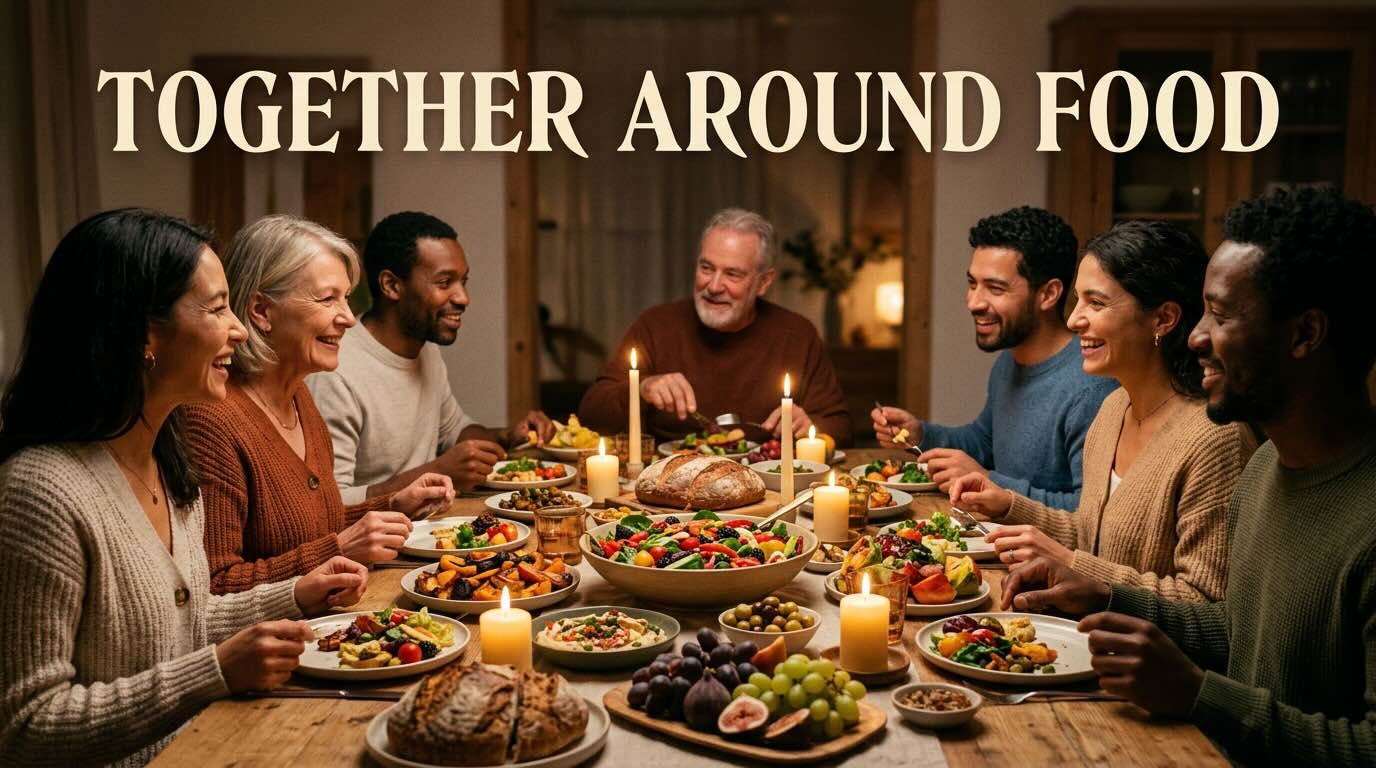
The new documentary, Together Around Food, examines one town's 15-day experiment—and Climate Healers' ambitious campaign to make healthy, plant-based food free for everyone. CHIMACUM, Washington, October 19th, 2026 - A 15-day experiment offering free gourmet [...]