
How About Them Apples? Early Humans Were Likely Vegan
Share This
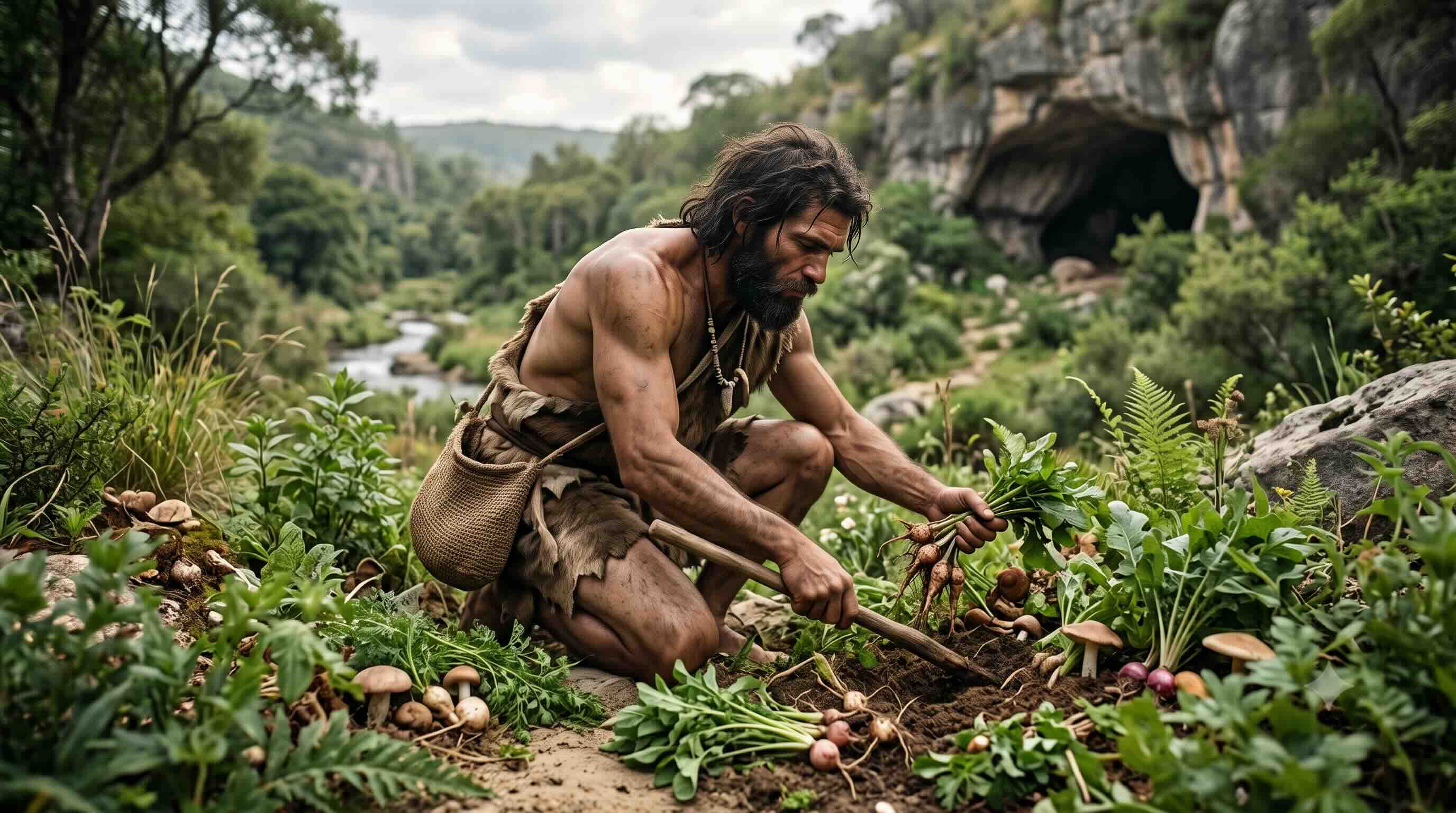
Bottom line: The science tells us that a whole-food plant-based diet is aligned more with ancient human choices rather than a meat-heavy one.
Fort Wayne, Indiana — July 11th, 2026 — The paleo diet is widely sold as a meat-heavy eating plan, but the actual evidence suggests early humans mostly ate fruits, vegetables, nuts, and seeds. So the bacon-and-brisket version of “eating like a caveman” may have more to do with marketing than with anthropology. Our distant ancestors were, by most accounts, closer to vegan than carnivore.
Was the Paleo Diet Actually Vegan?
The most extractable claim here is simple. Fossil and archaeological evidence indicates early humans subsisted primarily on plant foods, which means the popular meat-heavy paleo diet does not accurately reflect ancestral eating. Researchers studying the ancient cooking sites and remains of so-called cavemen consistently find evidence of plant-dominant diets.
Get the Real Deal on Soy
What Was the Paleo Diet Really Like?
The real paleo diet was plant-dominant, built around foraged fruits, vegetables, nuts, and seeds, with animal foods playing a far smaller role than some fitness influencers would have you believe. Whole, unprocessed foods were the entire menu, because nobody was ripping open a bag of beef jerky on the savanna.
Here’s the thing about those Instagram-ready plates piled with grass-fed ribeye. They lean hard on a fantasy. According to a 2024 study published in Nature Ecology and Evolution research, isotope analysis of early human teeth points to a diet built largely on plants, not flesh. The grocery-store paleo crowd quietly skips that part.
Anthropology backs this up. Foraging was the original meal-prep, and it was overwhelmingly botanical. A band of early humans spent its days gathering whatever the woodland offered, which meant a rotating cast of seasonal produce rather than a daily hunt-and-feast.
Pro Tip: If your version of “eating like our ancestors” fits neatly on a steakhouse menu, it’s probably a 21st-century invention wearing a loincloth.
Foraging delivered nutritional diversity that a meat-only plan simply can’t match. Different plants ripened in different seasons, so early humans naturally rotated their intake, picking up a broad spread of vitamins, minerals, and fiber across the calendar.
Seasonal availability did the menu-planning for them. Spring greens, summer fruit, autumn nuts, winter roots. If you’re curious about how plant-forward eating works today in the real world, this rundown on why you should attend a veg fest is a friendly entry point.
Is the Modern Diet Destroying Our Guts?
Common Myths About the Real Paleo Diet
The biggest paleo diet myth is that early humans were meat-obsessed carnivores. The evidence says otherwise, painting a plant-forward picture in which fruits, nuts, and roots did the heavy lifting and animal foods were occasional, not central.
Myth number two? That “paleo” automatically means low-carb. Tell that to the fruit and starchy roots our ancestors happily ate. Lumping all carbohydrates into the villain bucket ignores the actual archaeological record. Sweet potato fries, anyone?
And the third tired claim, that every processed food is poison, flattens a lot of nuance. Cooking and processing food, even with stone tools, is ancient human behavior. The pandanus nut, prized by early Australians, took hours of pounding at a mortar and pestle just to become edible.
Warning: Diet plans that promise ancestral authenticity while ignoring fossil and archaeological evidence are selling a story, not science.
Why Plant-Based Foods Are Essential
Plant foods carried the nutritional load for early humans, and they still do the same work now. They deliver the vitamins, minerals, antioxidants, and fiber that a flesh-only diet leaves on the table.
Diversity is the whole game. Different plants bring different compounds, so a varied plant-based diet covers more nutritional bases than any single “superfood” ever could. So make sure your grocery list and meal planning reflect the spectrum of the vegetable world!
What’s Wrong with the Food Pyramid?
The Verdict on Eating Like a Caveman
The fossil record keeps poking fun at the steakhouse version of the paleo diet. As researchers studying both ancient early humans and modern vegans have noted, you don’t need animal protein to be smart, or to survive and thrive.
Build your paleo diet around plants, stay curious about the evidence, and let the marketing myths go the way of the woolly mammoth.
Share This
About the Author: Lauren Caggiano


Latest News


Stay Tuned In
Be the first to know when new shows drop! Plus, get the hottest headlines, inspiring stories, and behind-the-scenes extras. Sign up and keep streaming!
you might also like

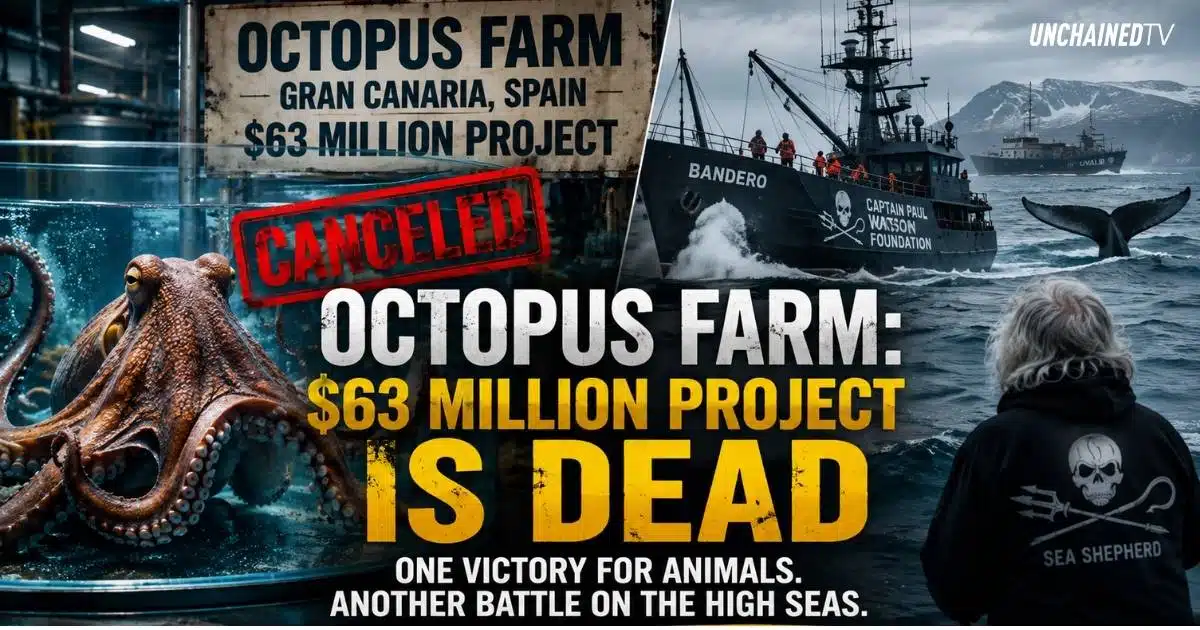
Spanish seafood company Nueva Pescanova has abandoned its plans for a proposed commercial octopus farm in Gran Canaria after years of scientific criticism, animal advocacy, and international public pressure.

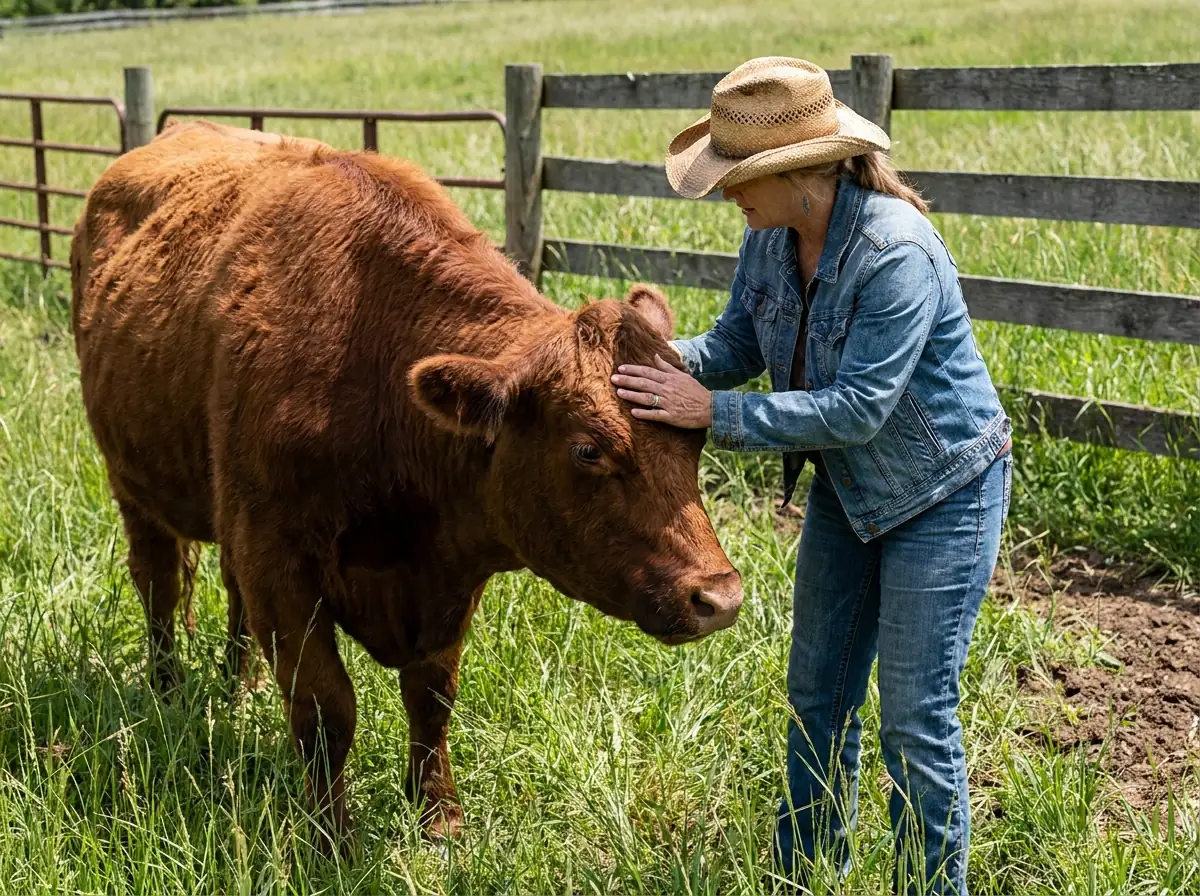
Renee King-Sonnen, founder of Rowdy Girl Sanctuary, embarks on her rancher-to-vegan book tour in Los Angeles, featuring sponsorship from Beyond Meat and a signing at Gentle Barn.
-
Wayne Hsiung sees charges dismissed after California appellate court reverses two convictions in the Sonoma County factory farm open rescue prosecution.