
Washington Post Promotes Cruel Industry, Sparking Outrage
Share This
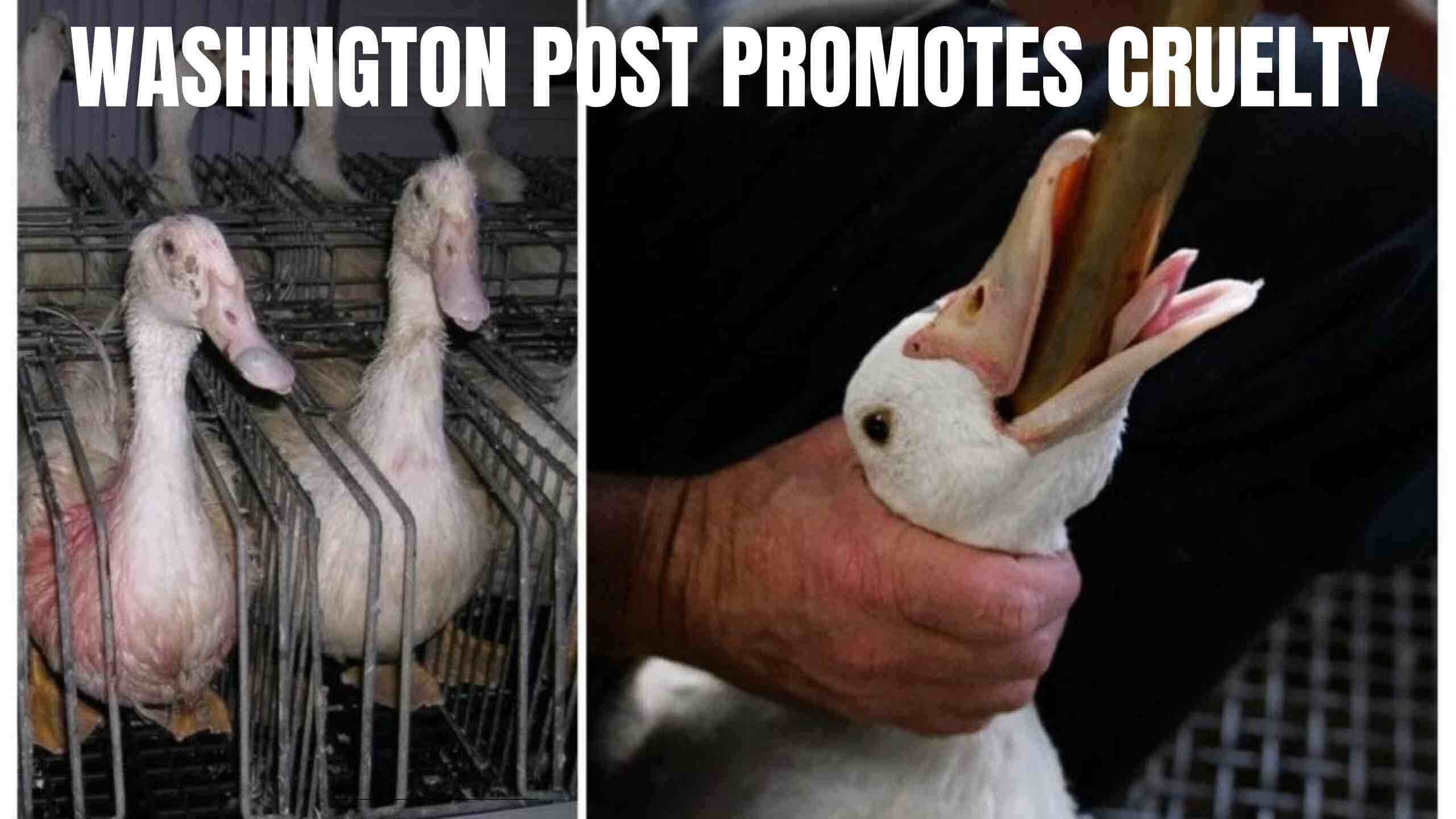
Reprinted with permission of VegMediaWatch.org.
In a June 12, 2026 Washington Post opinion piece, “Why I’m Proud to Serve Foie Gras,” chef Bart Hutchins argues that efforts to ban the sale of foie gras are misguided because its production is humane. But that is untrue. The force-feeding of ducks and geese through a tube inserted into their throats is so inhumane, according to veterinary experts, that municipalities around the world have banned the production and/or sale of foie gras.
By publishing an essay that portrays force-feeding as humane while omitting the substantial evidence and expert opinion challenging that claim, The Washington Post has allowed a foie gras advocate to present its readers with dishonest industry talking points disguised as informed commentary.
In his essay, Chef Hutchins portrays opposition to foie gras as the product of misunderstanding. He suggests that critics do not appreciate the realities of foie gras production. In fact, foie gras opponents object to its production precisely because they understand those realities thanks to experts who have educated the public about what the aquatic birds endure during and after force feeding, including confinement in factory farms that strips them of the ability to do anything that comes naturally to them.
Chef Hutchins is, of course, free to make the case in an op-ed that culinary pleasure, tradition or cultural heritage justify the practice. Readers can weigh those arguments for themselves. What the Washington Post should not allow him to do, however, is present force-feeding as humane while omitting the substantial body of evidence and expert opinion that disputes that claim.
Opinion sections are not exempt from editorial responsibility. Newspapers routinely exercise judgment about whether contributors are making claims that could mislead readers. If an opinion writer sought to downplay the harms of pollution or dispute established public-health concerns, editors would be expected to provide scrutiny and context. Animal welfare should be treated no differently.
The Washington Post’s opinion pages carry the credibility of one of the nation’s most influential newspapers. When the paper gives a foie gras advocate a prestigious platform to sanitize a controversial practice without meaningful scrutiny, it does more than publish an opinion — it helps spread misinformation. That is a failure of editorial judgment. Readers deserve better — commentary that is grounded in facts.
The Washington Post, the opinion page article author, or anyone connected to this industry is invited on to respond.


Share This
About the Author: Jane Velez-Mitchell



Latest News


Stay Tuned In
Be the first to know when new shows drop! Plus, get the hottest headlines, inspiring stories, and behind-the-scenes extras. Sign up and keep streaming!
you might also like

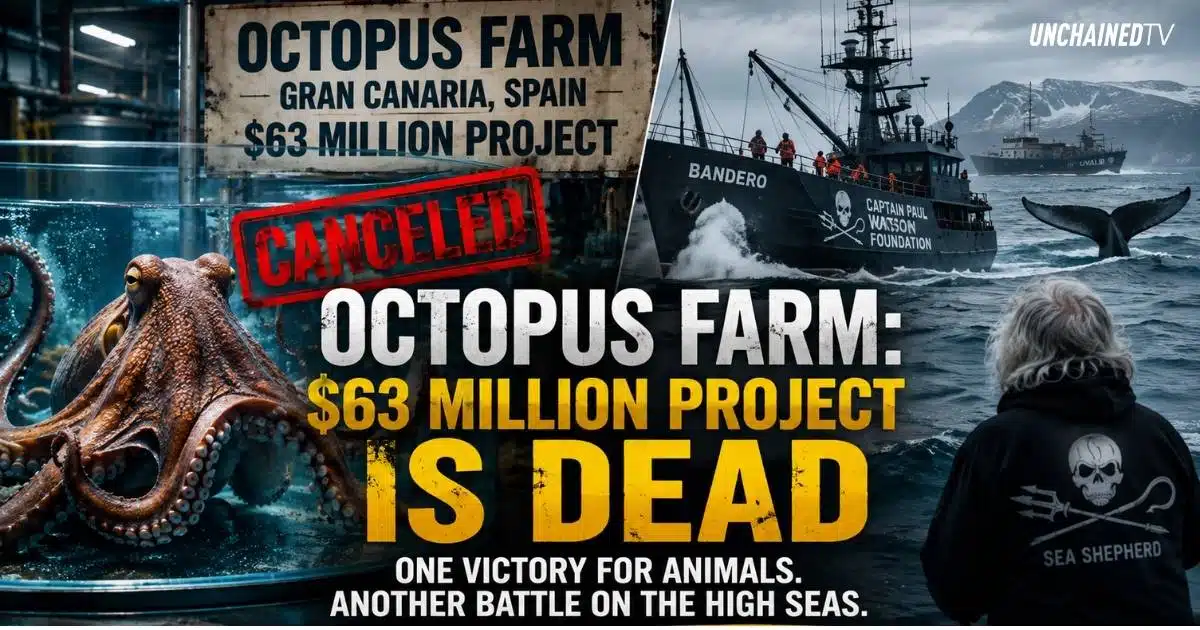
Spanish seafood company Nueva Pescanova has abandoned its plans for a proposed commercial octopus farm in Gran Canaria after years of scientific criticism, animal advocacy, and international public pressure.

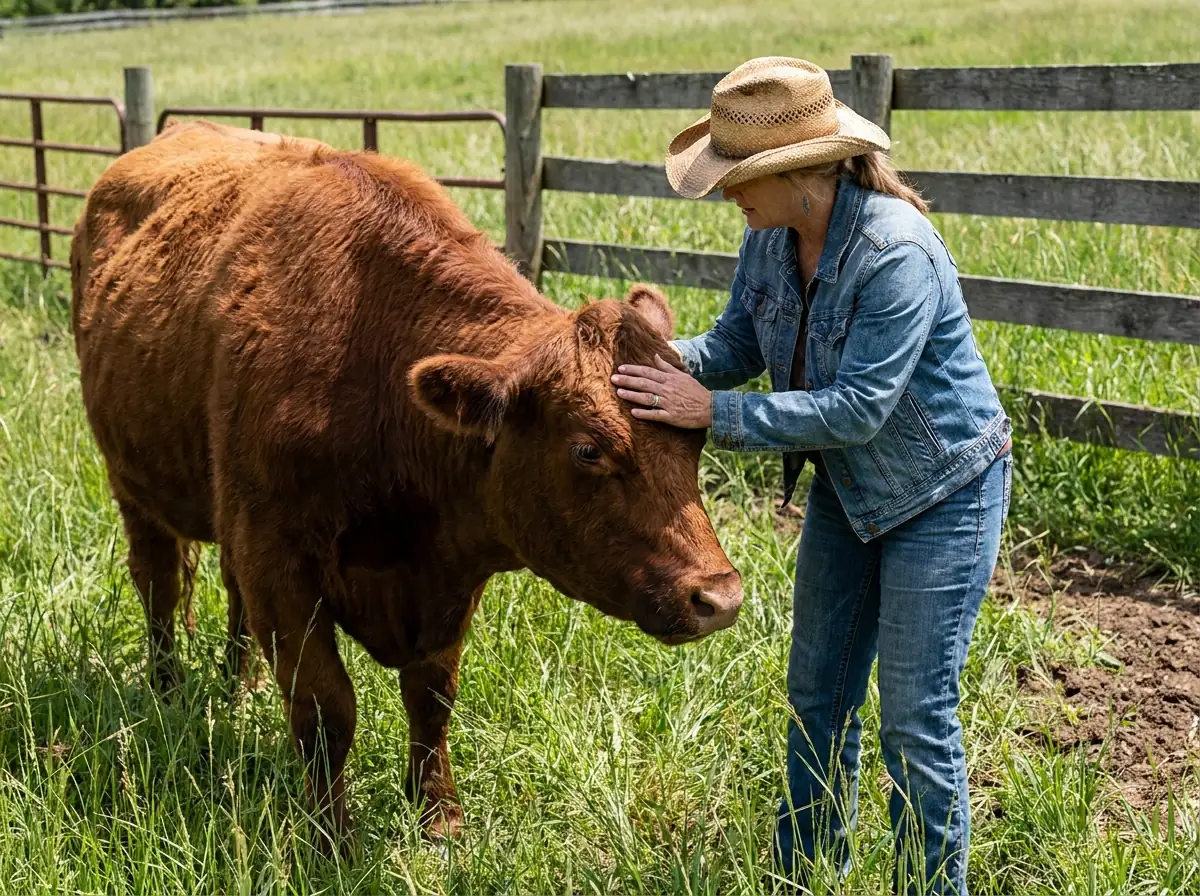
Renee King-Sonnen, founder of Rowdy Girl Sanctuary, embarks on her rancher-to-vegan book tour in Los Angeles, featuring sponsorship from Beyond Meat and a signing at Gentle Barn.
-
Wayne Hsiung sees charges dismissed after California appellate court reverses two convictions in the Sonoma County factory farm open rescue prosecution.