
Interest in Vegan Gardening Surges Across Digital Media
Share This
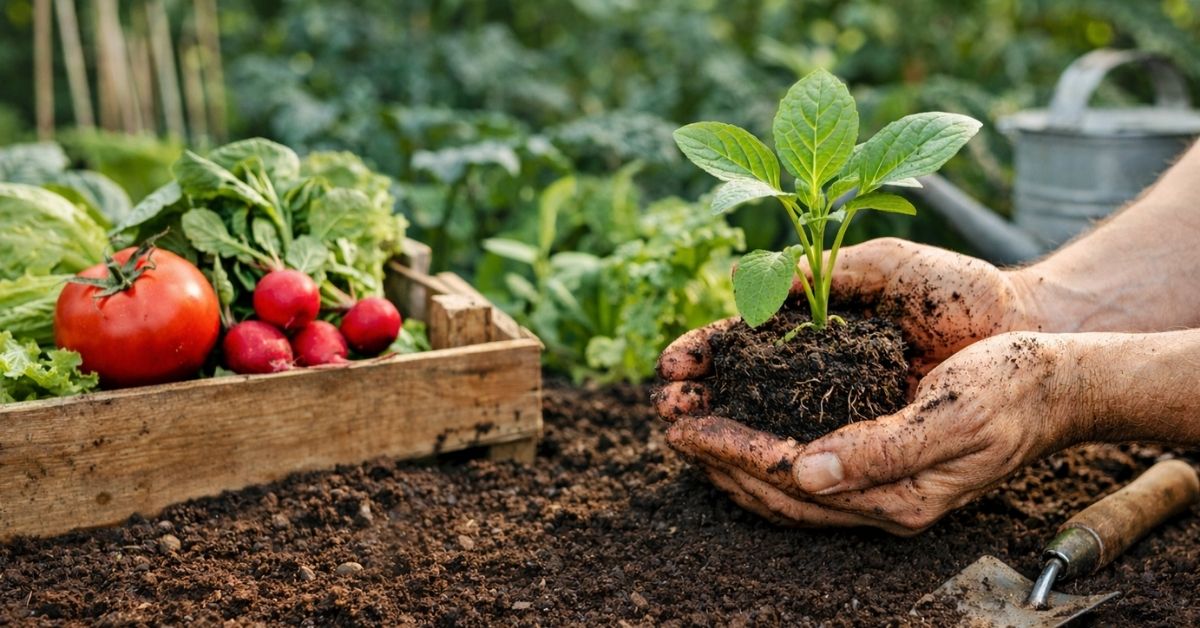
Vegan Gardening Surges as Interest in Self-Sufficiency Rises
Lancaster, PA – April 8, 2026 – Interest in vegan gardening is expanding across digital media platforms, as videos and discussions focused on veganic growing methods and food self-sufficiency reach wider audiences. Content centered on growing food without animal-derived inputs is gaining visibility, reflecting a shift in how a vegan lifestyle is being understood beyond diet alone.
On platforms like YouTube and TikTok, gardening content is increasingly intersecting with veganism, signaling broader interest in how food is sourced, not just consumed. This shift is affecting both audiences and creators, as vegan gardening content begins to incorporate themes of production, soil health, and environmental impact alongside traditional food and lifestyle coverage.
Millions of people continue to engage with vegan and sustainability-focused content, contributing to a growing audience interested in accessible, self-directed food production.
Drivers Behind the Shift
Several factors are contributing to the increasing interest in plant-based gardening. Economic pressure remains a key driver, as rising grocery costs continue to influence household decision-making. Growing food at home is increasingly viewed as a practical way to supplement food budgets while maintaining dietary preferences, a pattern noted in research from the National Gardening Association.
Environmental awareness is also shaping this shift. Concerns related to resource use, land impact, and pollution have prompted more individuals to explore alternative food systems. Broader assessments from the United Nations Environment Programme highlight how food production systems influence environmental outcomes, contributing to increased public attention on how food is grown.
Sustainability-focused gardening practices are gaining traction as part of this movement. Research and extension programs, including work from the University of Minnesota, have highlighted growing interest in soil-centered approaches such as reduced tillage and compost-based systems, which emphasize long-term soil health and lower waste.
Ecological considerations are also playing a role. The Pennsylvania Horticultural Society has identified trends such as reducing lawn space, supporting pollinators, and creating habitat for overwintering insects, reflecting a broader shift toward biodiversity-conscious gardening practices.
Digital media continues to accelerate this movement, making techniques more accessible and lowering the barrier to entry for individuals with limited prior experience.
Evidence of Expanding Demand
Content highlighting veganic gardening practices provides a clear example of this shift. A recent video exploring sustainable, plant-based growing methods demonstrates how audiences are engaging with approaches that avoid animal-derived inputs while emphasizing soil health and long-term sustainability.
This type of content reflects a broader demand for practical, repeatable systems that individuals can apply in real-world settings. Rather than focusing solely on finished meals, these resources emphasize the origins of food and the processes behind its production.
Related coverage further supports this trend. For example, this article on 7 Essential Herbs to Plant This Year, outlines how individuals are adapting gardening practices to align with plant-based principles, reinforcing the connection between lifestyle choices and food production.
Environmental reporting also adds context. Coverage such as this article on water pollution concerns tied to factory farming, reflects continued public attention on how industrial food production affects land and water. That scrutiny helps explain why interest in smaller-scale, plant-based growing systems may be expanding alongside broader sustainability concerns.
Why Vegan Gardening Interest Matters
The expansion of vegan gardening content signals a deeper shift in consumer behavior. As interest moves from consumption to production, vegan living becomes more integrated into daily life and less dependent on external systems.
This development has implications for both media and food systems. Content creators are beginning to explore new formats centered on self-sufficiency and sustainability, while audiences are engaging more directly with the origins of their food.
In this context, vegan gardening becomes more than a practical activity. It reflects a growing awareness of the relationships between food, environment, and responsibility—extending plant-based principles beyond the plate and into the systems that sustain it.
If current patterns continue, vegan gardening may become a more visible and influential component of the broader movement, reflecting a long-term shift in how people engage with food, media, and environmental responsibility.
Share This
About the Author: Brandy Walt-Rose

 LA Climate Week 2026 Kicks Off with Historic 100% Plant-Based Gala
Latest News




Stay Tuned In
Be the first to know when new shows drop! Plus, get the hottest headlines, inspiring stories, and behind-the-scenes extras. Sign up and keep streaming!
you might also like

Iceland exceeded my expectations based on its culinary prowess alone. From inspired craft cocktails to delicate desserts, we had some of the best plant-based meals of our lives on this trip. Reykjavik, Iceland, December 27th, [...]

Join the Journey: Exploring the Innovative and Authentic Vegan Products Showcased at the Plant Based World Expo New York, August 3rd, 2024 - UnchainedTV took a tour of the Plant Based World Expo at the [...]

Earth Pass is an innovative platform designed to make it easy and affordable for consumers to buy sustainable products. Los Angeles, March 19th, 2024 — As a consumer, it can be frustrating to sift through [...]