
Animal & Vegan Advocacy Summit 2026 Shows a Movement That Soaring
Share This
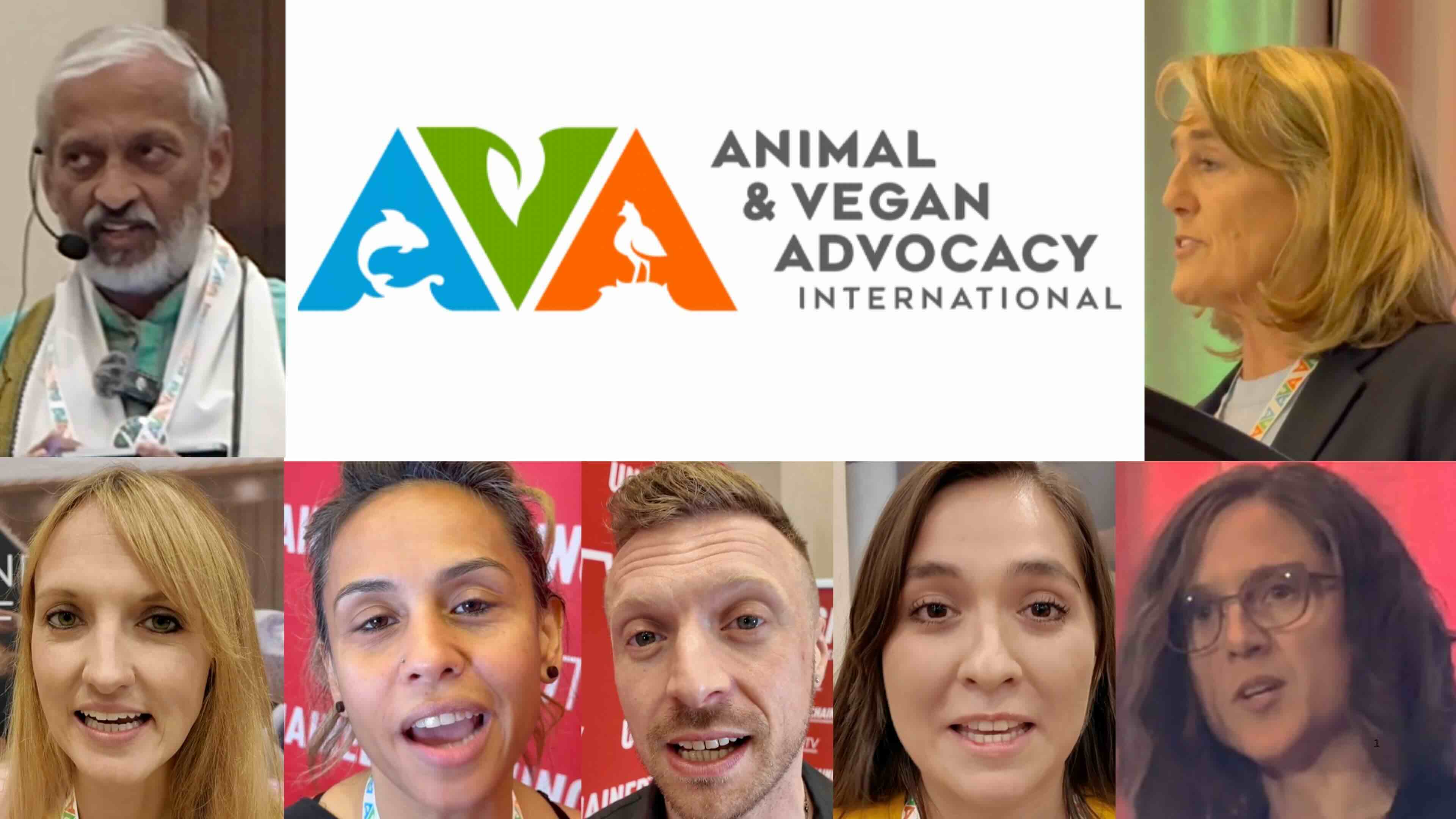
UnchainedTV’s latest AVA Summit video captures nearly 900 advocates in Toronto pushing the animal rights movement toward systemic change.
Toronto, Canada – June 23rd, 2026
The Animal & Vegan Advocacy Summit 2026 brought nearly 900 activists, organizers, creators and movement leaders to Toronto, Canada, for one urgent purpose: ending animal suffering at scale. UnchainedTV’s latest video from the summit captures a movement that is not simply asking people to “be kind” anymore. It is building strategy, media infrastructure, public pressure and global collaboration.
The newest UnchainedTV AVA Summit video puts viewers inside one of the most important gatherings in the animal advocacy world, where activists from across the globe came together to confront the systems that keep animals trapped in food production, entertainment, experimentation and other forms of exploitation.
This is not the tired stereotype of vegan advocacy as a fringe lifestyle choice. This is professional, international, data-informed, media-savvy movement building. And, the message coming out of Toronto was hard to miss: the future of animal advocacy will not be won by staying quiet, staying polite or waiting for advertiser-funded media to tell the truth.
A Summit Built Around Strategy, Not Symbolism
The 2026 Animal & Vegan Advocacy Summit, held in Toronto in the spring, brought together advocates working across animal rights, vegan education, food systems, media, philanthropy, policy, research and grassroots organizing. Animal & Vegan Advocacy International has grown into a major global convening space for people working toward systemic change for animals, especially farmed animals, wild animals and others whose suffering is often normalized or ignored.
That matters because the scale of animal exploitation is not small, and the response cannot be small either. Billions of animals are still confined, bred, commodified and killed through systems designed to make their suffering invisible. The AVA Summit exists because advocates increasingly understand that individual compassion must be paired with organized strategy.
UnchainedTV’s coverage highlights the energy inside the room: nearly 900 people refusing to accept that the world’s largest system of animal exploitation should be treated as normal, inevitable or too big to challenge.
The Power of Images in a Movement Built Against Denial
One major theme from the summit was the power of visual storytelling. Animal photojournalism does something polite language often cannot: it breaks through denial.
Industries that profit from animal suffering depend on distance. They need the public to see packages, meals, fashion items, entertainment and scientific language instead of individual beings. A strong image cuts through that machinery. It reminds people that animals are not abstractions, ingredients, inventory or research units. They are living beings whose fear, pain and will to live have been deliberately hidden from public view.
That is why photojournalism and documentary media are not side projects in the animal rights movement. They are frontline tools. They force the truth into spaces where euphemisms usually do the dirty work.
America’s First Vegan City?
The video also spotlights a bold campaign from climate scientist Dr. Sailesh Rao of Climate Healers, who is working toward the idea of America’s first fully vegan city.
It is an ambitious proposal, and that is exactly why it belongs in the conversation. Too often, institutions talk about climate change while treating animal agriculture as too politically inconvenient to confront. But, the animal agriculture system is deeply tied to climate emissions, habitat destruction, water use, public health concerns and mass animal suffering.
A vegan city would not simply be a lifestyle statement. It would be a political and cultural challenge to the assumption that animal exploitation must remain embedded in public life. It would ask what happens when a community builds food policy, public messaging and civic identity around compassion instead of consumption.
That is the kind of idea movements need: not because every bold proposal happens overnight, but because bold proposals move the edge of what people believe is possible.
PETA’s Warning Against Welfare Detours
The summit also featured a direct strategic challenge from PETA President Tracy Reiman, who argued that the movement must move away from incremental welfare campaigns, such as cage-free initiatives, and focus more clearly on encouraging veganism.
That argument lands because the movement has long wrestled with a difficult question: do reforms reduce suffering, or do they make exploitation easier for the public to accept?
For decades, industries have learned how to turn welfare language into branding. “Cage-free,” “humane,” “responsibly sourced” and similar phrases can make consumers feel better without truly challenging the premise that animals are ours to use. Reiman’s point, as presented in the UnchainedTV video, pushes the movement back toward the root issue: animals do not need slightly nicer systems of exploitation. They need liberation from those systems.
That does not mean every advocate must use the same tactic. But, it does mean the movement has to be honest about where the finish line is.
Taking on Mainstream Media Bias
Another major development from the summit was UnchainedTV’s community meetup which resulted in the formation of the Media Accuracy Coalition, or MAC, created in collaboration with VegMediaWatch.org.
This may be one of the most important pieces of the story.
The public does not only learn about veganism through personal conversations or documentaries. It learns through headlines, morning shows, social media clips, corporate-funded messaging and mainstream news segments shaped by advertising interests. When media outlets frame veganism as extreme, mock plant-based food, ignore animal suffering or repeat industry talking points, they are not neutral observers. They are helping maintain the status quo.
The Media Accuracy Coalition aims to counter that problem by creating a rapid-response effort to hold media accountable when reporting on veganism and animal advocacy is biased, misleading or advertiser-driven.
That is a necessary escalation. If the movement cannot challenge the story being told about veganism, it will always be fighting uphill against narratives written by the industries it opposes.
2025 AVA Summit in LA
Julia Reinelt and the Bigger AVA Vision
UnchainedTV has also featured Julia Reinelt, Executive Director of Animal & Vegan Advocacy International, in an interview by PLANT CEO, aka journalist Anant Joshi, offering viewers a deeper look at the summit’s broader purpose.
In that conversation, Reinelt emphasized the importance of collaboration across differences, global movement-building and in-person connection. The 2025 AVA Summit in Los Angeles brought together 850 advocates from 50 countries, showing that this work is not confined to one city, one country or one style of activism.
That global reach matters. Animal exploitation is international, and the movement challenging it has to be international too. AVA’s model recognizes that activists, nonprofit leaders, researchers, funders, communicators and grassroots organizers all need places to meet, argue, learn, collaborate and sharpen their work.
The Toronto Animal & Vegan Advocacy summit appears to be the next step in that growth: bigger, bolder and more openly focused on turning compassion into coordinated power.
The Movement Is Growing Up
The animal rights movement has often been dismissed as emotional, unrealistic or niche. But the Animal & Vegan Advocacy Summit tells a different story.
This is a movement that is building institutions. It is training leaders. It is confronting media bias. It is using images, research, policy, philanthropy, legal strategy, public pressure and cultural storytelling. It is refusing to let the suffering of animals remain hidden behind marketing language and industry-approved narratives.
The future of vegan advocacy is not just about convincing one person at a time to change what is on their plate, although that still matters. It is about changing the systems that made violence against animals look ordinary in the first place.
Toronto did not just host a summit. It hosted a warning.
The movement is organized. The cameras are rolling. And the old excuses are starting to look very tired.
Share This
About the Author: Brandy Walt-Rose



Latest News


Stay Tuned In
Be the first to know when new shows drop! Plus, get the hottest headlines, inspiring stories, and behind-the-scenes extras. Sign up and keep streaming!
you might also like

New York City's historic vote will phase out horse-drawn carriages by 2028, affecting 180 horses and ending a decades-long battle in a victory for the animal rights movement NEW YORK CITY — October 23rd, 2026 [...]

UNCHAINEDTV reports vegan Philly is surging in 2026, from a Michelin Green Star to a culinary college that requires vegan cooking to graduate.

The new documentary, Together Around Food, examines one town's 15-day experiment—and Climate Healers' ambitious campaign to make healthy, plant-based food free for everyone. CHIMACUM, Washington, October 19th, 2026 - A 15-day experiment offering free gourmet [...]