
Hollywood Climate Summit 2026 Reveals How Storytelling Can Inspire Climate Solutions
Share This
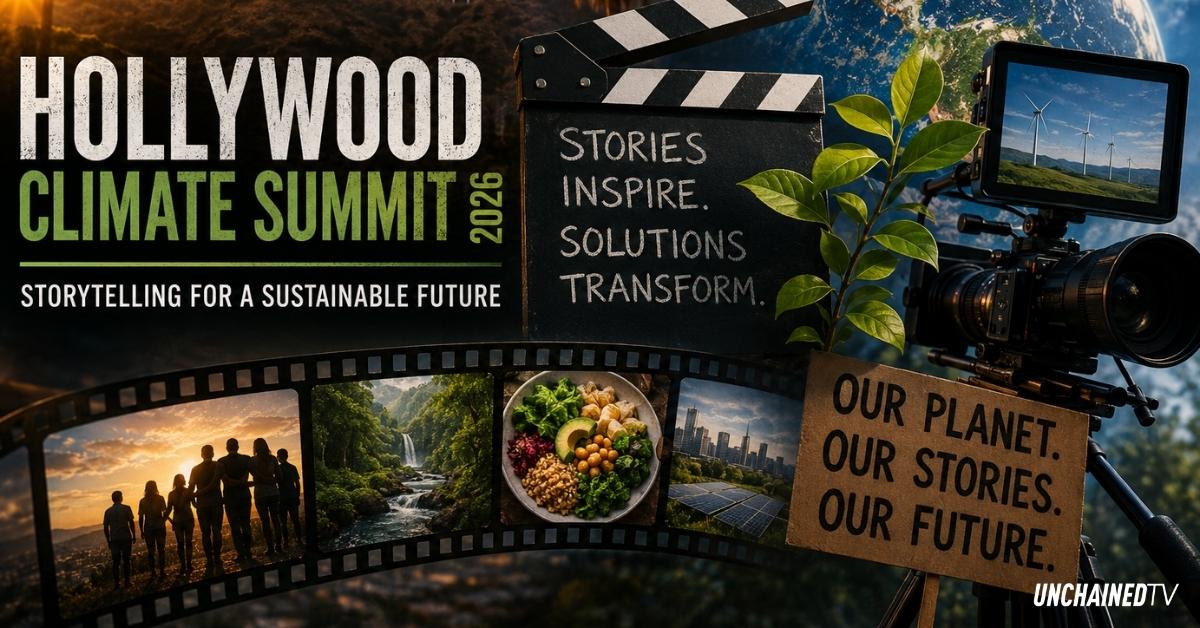
The 2026 Hollywood Climate Summit explored how entertainment can be a force for climate solutions, especially when it comes to food
Los Angeles, CA — July 17th, 2026 — As climate-fueled disasters become harder to ignore—from record-breaking heat waves and devastating wildfires to floods and biodiversity loss—the conversation around climate change is evolving. Scientists have spent decades sounding the alarm. Policymakers continue to debate solutions. Increasingly, another group is stepping forward with a different kind of influence: storytellers.
That idea was front and center at the 2026 Hollywood Climate Summit, where filmmakers, television creators, scientists, activists and industry leaders gathered to explore how entertainment can help shape public understanding of one of the defining challenges of our time. Rather than focusing solely on policy, the summit examined how movies, television, documentaries, gaming and digital media can inspire audiences to imagine—and demand—a more sustainable future.
This year’s program reflected a growing recognition that culture often moves faster than legislation. Sessions explored everything from speculative storytelling and Indigenous filmmaking to conservation, sustainable production practices and the role of food in addressing climate change. The underlying message was consistent: people rarely change because of statistics alone—they change because of stories that help them see themselves in the solution.
One of the climate summit’s recurring themes was adaptation rather than despair. Speakers discussed how popular films and television series increasingly portray communities rebuilding after disruption instead of simply surviving catastrophe. Those narratives can encourage audiences to imagine resilience, cooperation and innovation rather than hopelessness.
Food also occupied a prominent place in this year’s conversations.
While discussions about climate often center on electric vehicles, renewable energy and fossil fuels, many experts argue that our food system deserves equal attention. The summit devoted multiple sessions to examining how food choices influence greenhouse gas emissions, land use, biodiversity and public health, while also exploring why conversations about the many harmful impacts of animal agriculture have often remained on the margins of mainstream climate reporting.
One panel, How Food Tells Our Stories, brought together chefs, educators, advocates and creators to discuss the importance of transitioning to plant-based food systems to fight climate change. They discussed how entertainment and media industries need tell that story. Another, Food System Messaging, Unpacked, featured prominent filmmakers behind influential documentaries like Cowspiracy, What the Health, The Game Changers, Fed Up and Poisoned. They discussed how public perceptions about food are shaped through advertising, cultural narratives and decades of industry messaging—and how documentary filmmaking can challenge long-held assumptions.
Perhaps one of the summit’s most creative events was The People v. Big Meat & Dairy, a mock trial blending comedy with expert testimony to examine how marketing campaigns have influenced the public’s understanding of animal agriculture. Rather than simply presenting scientific findings, the session used humor and performance to engage audiences with difficult questions about food, health and sustainability.
That creative approach reflects a broader reality facing the climate movement.
Scientific evidence remains essential, but information alone rarely changes behavior. Stories can make abstract problems feel personal. Films can introduce unfamiliar perspectives. Television characters can normalize new ways of living. Documentaries can reveal realities that many people never see firsthand.
Hollywood has long influenced public attitudes on everything from civil rights to public health. Increasingly, climate advocates hope the entertainment industry can play a similar role in helping audiences understand both the urgency of the climate crisis and the possibilities for meaningful action.
That doesn’t mean every film needs to become an environmental documentary. Sometimes the most powerful messages appear subtly: a sustainable community portrayed as normal, a plant-based meal shared without explanation, or a future imagined not as dystopian but as hopeful and achievable.
The 2026 Hollywood Climate Summit embraced that vision. Rather than framing climate action as sacrifice, many sessions focused on creativity, collaboration and possibility. From comedy to food, from science and filmmaking, participants explored how every form of storytelling can help build a culture prepared not only to wail about climate change—but to imagine something better beyond it.
As audiences continue searching for stories that reflect the challenges of our changing world, events like the Hollywood Climate Summit suggest that the next breakthrough in climate action may not come only from laboratories or legislatures. It may also come from the stories we choose to tell—and the futures they inspire us to create.
At UnchainedTV, we believe storytelling has always been one of the most powerful catalysts for change. When compelling stories meet credible science and practical solutions, they have the power not only to inform—but to transform the way we see our relationship with animals, the planet and each other.
Video Transcript
I'm Allie, I co-founded the Hollywood Climate Summit. I am so proud of the way that we have engaged in food and the food experience at the summit. We have been committed to being plant-based entirely for the past couple of years and really amplifying plant-based vendors in Los Angeles and really having the quality of that food be representative of what is possible. And that has truly inspired so many people to shift the way that they think about veganism and how it can taste.
What's up guys, Chris Tucker. Celebrity chef Chris Tucker was instrumental in helping the Hollywood Climate Summit transition to 100% plant-based menu. Just really excited about what we're able to put out every year and really make people think about their choices about what they put in their mouth and how that affects the climate. Tucker led a team of half a dozen of some of LA's top vegan chefs to produce a dazzling display of gourmet plant-based eats, from ornate vegan cheese plates to charcuterie cones.
I'm the chef and owner of the Vegan Supper Club SoCal and super grateful to be here today and be able to assist in the Hollywood Climate Summit. It was awesome. It's so nice to work on purely plant-based meals and I love the fact that so many of the people were not plant-based and they were learning how delicious plant-based food is. I think making a plant-based meal for an event like this seems like obvious, it seems like it should be ingrained in climate conversation and climate culture and climate events.
So it feels good but it just feels like what it is. You know, I feel like we're doing what should be done and is done and I'm glad we're doing it and anything other than this would be a mistake in my opinion. Well, sustainability is something that means a lot to me so I'm really happy to be here spreading plant-based food to everyone and letting them know how good it is and being a part of being able to move the needle forward.
What veganism is, you know, it's about the animals, it's about the planet, it's about people, it's about love, it's about everything, you know, and to be here today to cook for everybody, it's an honor. By embracing a plant-based menu, the Hollywood Climate Summit is taking the lead by acknowledging animal agriculture's role in climate change. Will that inspire other environmental groups to go plant-based for their events? For me, that was really important when I came on board.
The summit wasn't completely vegan yet and so I wanted to come in and help them transition that and become a completely plant-based summit because it's interesting in the climate space that you go to all of these other conferences, you go to CPAC, you go to these large, large events and they're serving like dairy and they're serving steak and they're serving like all of these things that scientists
tell you every day are just horrible for the environment. Since we took our summit plant-based and really started focusing on the food, we've definitely seen other summits start to implement more. So I think it's always fun to watch people mimic what you do and just kind of be a little bit of a changemaker in the space. Vegan comedian and actress Chigna Taro was featured on a summit panel entitled Why Are We Consuming This?
I called my wife and I said, I think I'm going to try and become vegan and she said, oh, well, I've always wanted to be vegan and so I was like, well, that was easy. And I've never turned back. I mean, it made such a positive impact on my health and my mind. I mean, it opened me to so many other things in life.
How long did it take you to get there? Where you're like, I feel different. I feel these doors open. I mean, it sounds insane, but I would say in the first week, there were just different levels of awakenings and shifts in my life.
She urged the environmentally minded community in attendance to go plant-based with a passion. You have to have your North Star, your reason that you're planting your feet in this shift, you know, this massive change in your life. You have to be doing it for a reason that is going to drive you every single day. Look no further than an Oxford University study featured in this New York Times article, which concludes, quote, people who follow a plant-based diet account for 75 percent less in greenhouse gas emissions than those who eat more than 3.5 ounces of meat a day.
And a vegan diet also results in significantly less harm to land, water and biodiversity. Hollywood and the media ecosystem at large has an incredibly important role to play in creating an aspirational lifestyle around plant-based and vegan eating. I think the issue of animal agriculture being directly linked to climate change is under discussed, under connected for people. And I think the health benefits of plant-based eating and vegan diets is also wildly under addressed.
And that's largely because there is a messaging strategy from big agriculture that is putting out content and media to influence us to eat animal products. We're fighting a big, huge, entrenched competitor that just does not want the world to have a healthier, more sustainable option because it's going to hurt their, just like the tobacco industry, it's not in their interest. And they've got a lot of power.
And we need groups like this that care to start looking at the facts and spreading the truth. What is the number one thing that I can put in my shows that feels accessible to people, that's a climate solution, that is actually really effective? And I'm always like plant-based eating, like put plant-based eating into your content. That if all of us were to even take a couple of days of the week being plant-based, it would make a massive difference in the climate crisis and the amount of carbon and emissions that we're putting out into the world.
The fact of the matter is not everyone can effectively combat fossil fuels, but everyone can make sustainable choices three times a day by choosing plant-based. Yeah, the choice that you're making three times a day is actually one of the biggest impacts that you can have on reducing the carbon footprint of our entire global society. And so by reducing our meat consumption, we will in fact be making large steps towards addressing climate change.
There's a lot of people here who don't eat a plant-based diet, and it's really important for me to show them that it can be satiating, it can be delicious, they don't have to miss out on anything. They can have delicious plant-based sandwiches, they can have all these delicious sides, they can have really, really incredible entrees at night for dinner. And they don't have to miss out on anything, but they can also be protecting and enriching Mother Earth at the same time.
I guess my hope for next year is that we continue to grow that experience and we continue to weave food into the narratives that we're telling on stage and off. Let's do it. I'm Michelle Salstino, Unchained TV.
Share This
About the Author: Brandy Walt-Rose

Latest News
Stay Tuned In
Be the first to know when new shows drop! Plus, get the hottest headlines, inspiring stories, and behind-the-scenes extras. Sign up and keep streaming!
you might also like

PCRM celebrates $88 million in NIH grants for human-based research as FDA and EPA policy shifts mark a turning point against animal testing in 2026.
-
Groundbreaking, culture-shifting progress is underway in the fight to end animal testing, and UnchainedTV's Truth Files dives deep into this monumental shift with host Jane Velez-Mitchell and guest Wayne Pacelle, President of the Center for a Humane Economy and Animal Wellness Action.
-
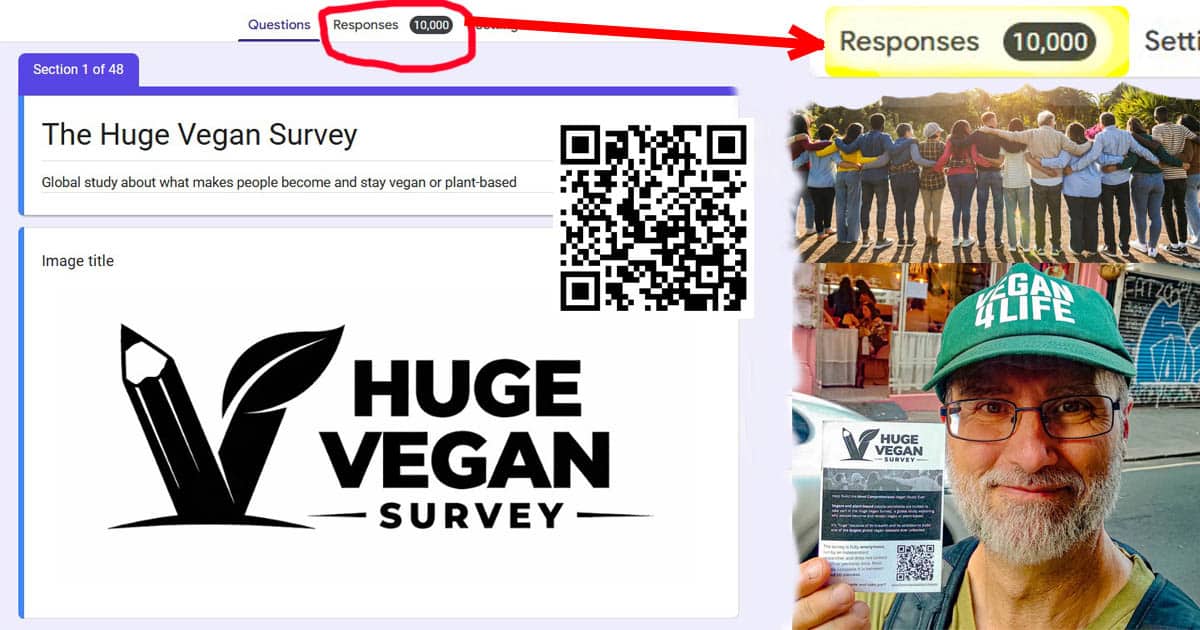
The global study of vegans, the “Huge Vegan Survey”, has reached 10,000 participants but is still open to more Huge Vegan Survey logo London, England, October 1st, 2026 - The independently run Huge [...]