
Calls for NYC Mayor Zohran Mamdani to Shut Down NYC’s Live Animal Markets
Share This
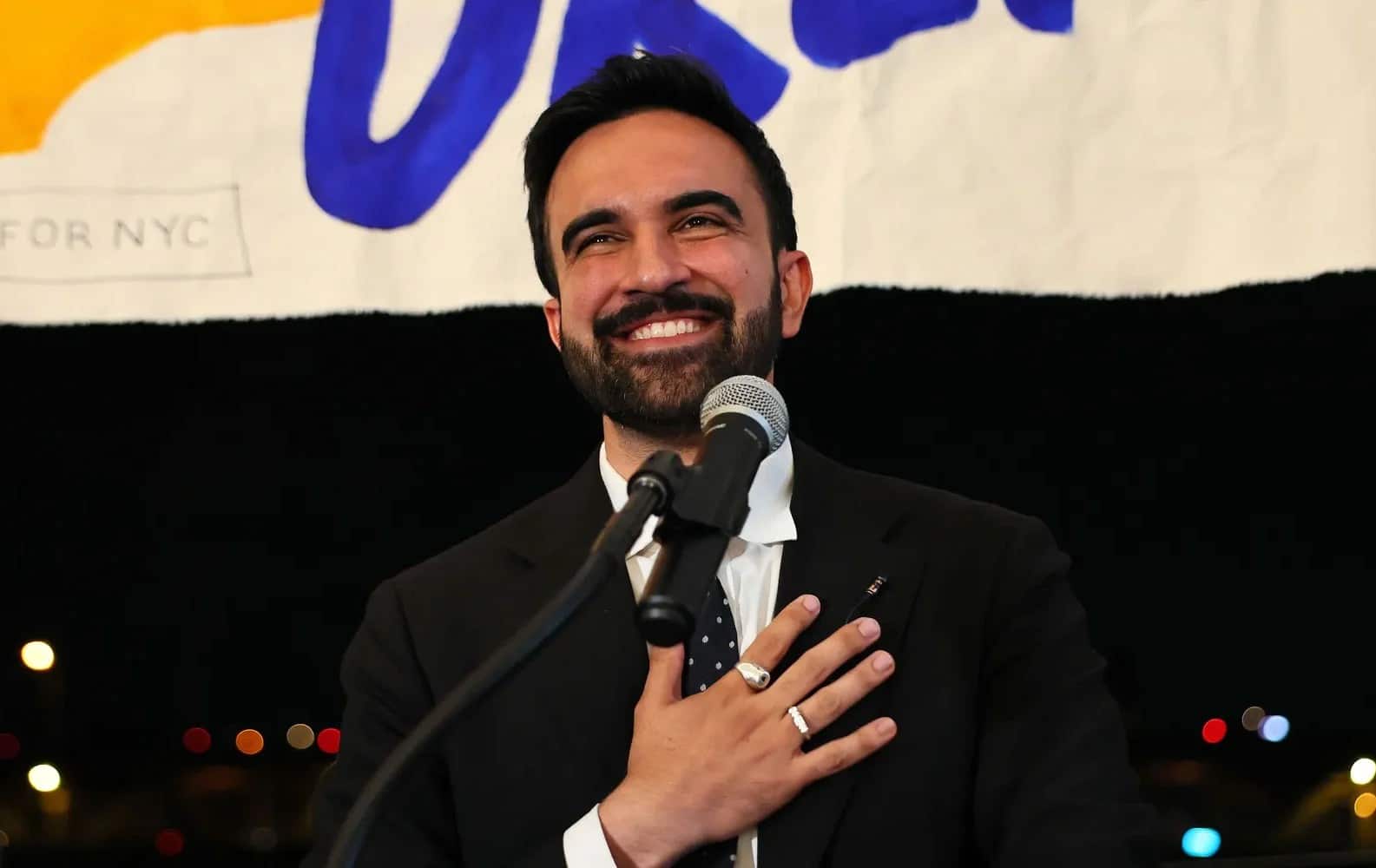
Animal Outlook, a leading animal protection organization, is calling on New York City Mayor Zohran Mamdani to shut down the city’s live animal markets after their undercover investigation documented what they call shocking animal welfare abuses and serious sanitation violations that pose risks to public health.
New York, NY – May 4th, 2026 – New York City’s notorious live animal markets are facing renewed scrutiny following the release of an undercover investigation that advocates say documents widespread animal welfare violations and serious public health concerns across multiple facilities.
Animal Outlook, an animal protection organization, is calling on New York City Mayor Zohran Mamdani to shut down the markets after reviewing video footage and public records that, according to the group, point to recurring issues over several years. By directing the call to the mayor, advocates are placing responsibility squarely on city leadership to respond to what they describe as persistent and unresolved problems.
The findings draw on undercover video recordings as well as government inspection reports obtained through public records requests. Together, they present what advocates describe as a pattern of ongoing violations rather than isolated incidents, raising broader questions about how these facilities have continued to operate under existing oversight systems.
A List of Complaints
Animal Outlook says it captured the following abuses practices on video:
-
Severe overcrowding of chickens crammed into small wire cages with no room to move or spread their wings.
-
Birds with extensive feather loss from pecking and stress
-
Inhumane throat slitting of conscious birds in back rooms without proper stunning
-
Workers roughly handling birds, throwing them, and piling them into shopping carts before taking them to the slaughter room
-
Birds forced to stand on wire cage floors that injure their feet and prevent natural behaviors
-
Birds removed from cages and deprived of access to food or water
-
Chickens huddled together, visibly shivering and suffering in damp conditions
-
Multiple species—chickens, ducks, rabbits, and various breeds from different farms—housed in close proximity, creating conditions ripe for disease transmission
Animal Outlook’s Ben Williamson Describes Live Animal Market Cruelty
According to Animal Outlook, regulators have cited live animal markets for more than 2,000 violations between 2022 and 2025, with most occurring in New York City. While some facilities have faced fines or other enforcement actions, advocates say those measures have not resulted in lasting improvements or meaningful changes in day-to-day operations.
The organization argues that the persistence of violations suggests deeper structural issues, raising questions among advocates about the effectiveness of current oversight and whether existing penalties are sufficient to deter ongoing noncompliance.
Conditions Inside Live Animal Markets Raise Concerns
Investigators also documented conditions they say may pose risks to public health, including the presence of rodents, animal feces and blood runoff into public drainage systems, and strong odors emanating from facilities. These observations, advocates argue, reflect not just isolated lapses but environmental conditions that may affect surrounding communities as well.
The report further describes sanitation concerns such as standing water, deteriorating equipment, and areas where waste materials accumulate. According to advocates, these conditions may increase contamination risks, particularly in environments where multiple animal species are housed in close proximity and sanitation controls appear inconsistent.
Advocates Respond to Live Animal Market Investigation
“The evidence is overwhelming and undeniable. These live animal markets are sites of routine animal cruelty and public health hazards that have operated hidden in plain sight for far too long. Despite hundreds of documented violations from state inspectors, nothing has changed. The animals continue to suffer, and New Yorkers continue to be exposed to serious health risks. The time to act is now.” Ben Williamson, Executive Director of Animal Outlook
Williamson’s statement reflects a broader frustration among advocacy groups, who argue that years of documentation and enforcement actions have not resulted in meaningful reform. For these groups, the investigation is not just a revelation but a continuation of concerns that have been raised repeatedly over time.
Enforcement and Oversight Questions
Public records reviewed by advocacy groups suggest that some facilities cited for repeated violations have reportedly remained in operation, even after accumulating fines or enforcement actions. This has led critics to question whether existing regulatory mechanisms are equipped to address ongoing issues in a sustained way.
Critics of the current system argue that while inspections may identify problems, enforcement has not resulted in meaningful reform or long-term compliance. The gap between documented violations and operational consequences has become a central point of concern for those calling for stronger intervention.
Rescue Groups Share Firsthand Accounts
The investigation also includes accounts from animal rescue advocates who have worked directly with animals removed from similar environments, offering a firsthand perspective on the conditions described in reports and footage.
“The birds we rescue from live markets are among the most traumatized animals we’ve ever encountered. Many arrive with broken bones, necrotic infected wounds, and severe respiratory disease. Most have had the ends of their beaks and toes severed. Many of them are still babies—just weeks old, still peeping the way chicks do—yet they are already injured, terrified, and too weak to stand. Some are so badly wounded that the only kindness left to give them is a peaceful death.
“And the reality is that just moments before we rescued them, these same birds—some barely able to stand—were still being offered for sale. What we see through rescue is only a small glimpse of what’s happening behind the doors of these markets every day. The suffering we encounter isn’t rare. It isn’t accidental. It’s systemic.” John Di Leonardo, Executive Director of Humane Long Island
These accounts add a layer of lived experience to the investigation’s findings, reinforcing advocates’ claims.
Legal Concerns Around Live Animal Markets Expand
Legal advocates say the issue extends beyond animal welfare to include broader concerns affecting workers, consumers, and surrounding communities.
“Live animal markets are operating with impunity. Repeated deficiencies affecting animals, consumers, workers, and adjacent communities are documented in inspection reports month after month and year after year. Penalties are insufficient and markets whose licenses have been revoked, as uncommon as this is, have been able to stay in business. It’s clear that the current regulatory system has failed. The animals and people of our state deserve so much better. These markets should be closed.” Elinor Molbegott, Legal Counsel for the Humane Society of New York
Her statement underscores concerns that the issue is not limited to animal treatment alone, but also intersects with regulatory enforcement, worker conditions, and public safety considerations.
Legislative Efforts Underway
The issue is also gaining attention at the state level, where lawmakers have introduced legislation aimed at addressing concerns surrounding live animal markets and their impact on both animal welfare and public health.
Proposed measures include Assembly Bill A2421 and Senate Bill S5017, which would prohibit the operation of certain facilities licensed by the New York State Department of Agriculture and Markets where animals are slaughtered or butchered for food. The legislation would also establish a task force to examine the broader public health risks and animal welfare concerns associated with these operations.
Intent of Proposed Legislation, as Stated in the Proposed Senate Bill
“Legislative intent. The legislature hereby finds that 2 emergency measures must be enacted to help prevent the spread of zoonotic and other infectious diseases. Experts throughout the world have concluded that the COVID-19 crisis is likely attributable to a live animal market. Inspection reports from the department of agriculture and markets indicate ongoing health, safety and welfare problems at New York’s markets. Hundreds of thousands of human lives have already been lost and millions of people have been sickened during the COVID-19 pandemic. The purpose of this law is to eliminate one potential vector for the transmission of zoonotic diseases, live animal markets, and the suffering it causes therefrom at least until there is further examination by infectious disease experts of the nexus between zoonotic diseases and live animal markets.”
Supporters of the bills say the proposals represent a meaningful step toward addressing longstanding issues that have persisted despite years of documented violations and regulatory oversight. By combining restrictions with further study, lawmakers are signaling an increased willingness to reevaluate how these facilities are regulated.
However, like many legislative efforts, the outcome remains uncertain. Even if passed, implementation would likely take time, leaving advocates focused on both legislative progress and more immediate avenues for change.
Calls for Immediate Action on Live Animal Markets
Advocates argue that, while legislative solutions may take time, city-level action could be implemented more quickly through executive or regulatory pathways.
They say the mayor has the authority to intervene in response to documented violations and public health concerns and are urging immediate action rather than waiting for additional investigations or prolonged legislative timelines.
Animal Outlook is also encouraging residents to contact city officials and express support for stronger enforcement measures or closure of the markets, framing the issue as one that involves both public accountability and civic engagement.
Ongoing Debate Over Live Animal Markets Continues
Investigative footage and supporting public records related to the findings have been made publicly available by the organization as part of its broader advocacy campaign, allowing the public to review the material firsthand.
The issue of live animal markets and associated public health concerns continues to draw attention as advocates, policymakers, and the public debate potential next steps. As that conversation evolves, the findings of this investigation are likely to remain central to discussions about regulation, enforcement, and the future of these facilities.
UnchainedTV invites any companies or parties connected to this case to respond and provide additional comment at any time.
Share This
About the Author: Brandy Walt-Rose

Latest News
Stay Tuned In
Be the first to know when new shows drop! Plus, get the hottest headlines, inspiring stories, and behind-the-scenes extras. Sign up and keep streaming!
you might also like

The provocative animal rights documentary Viral for the Animals is reaching viewers worldwide on UNCHAINEDTV with new subtitles, helping its message travel even further. Hollywood, Ca. - October 13th, 2026 - It’s called Viral for [...]

A federal strategy would gun down 450,000 barred owls. As shooting begins in Oregon, animal and environmental advocates are expressing outrage and charging the real reason is to help the timber industry. Los Angeles, CA [...]

PCRM celebrates $88 million in NIH grants for human-based research as FDA and EPA policy shifts mark a turning point against animal testing in 2026.