
What’s With Mushroom Meat?
Share This
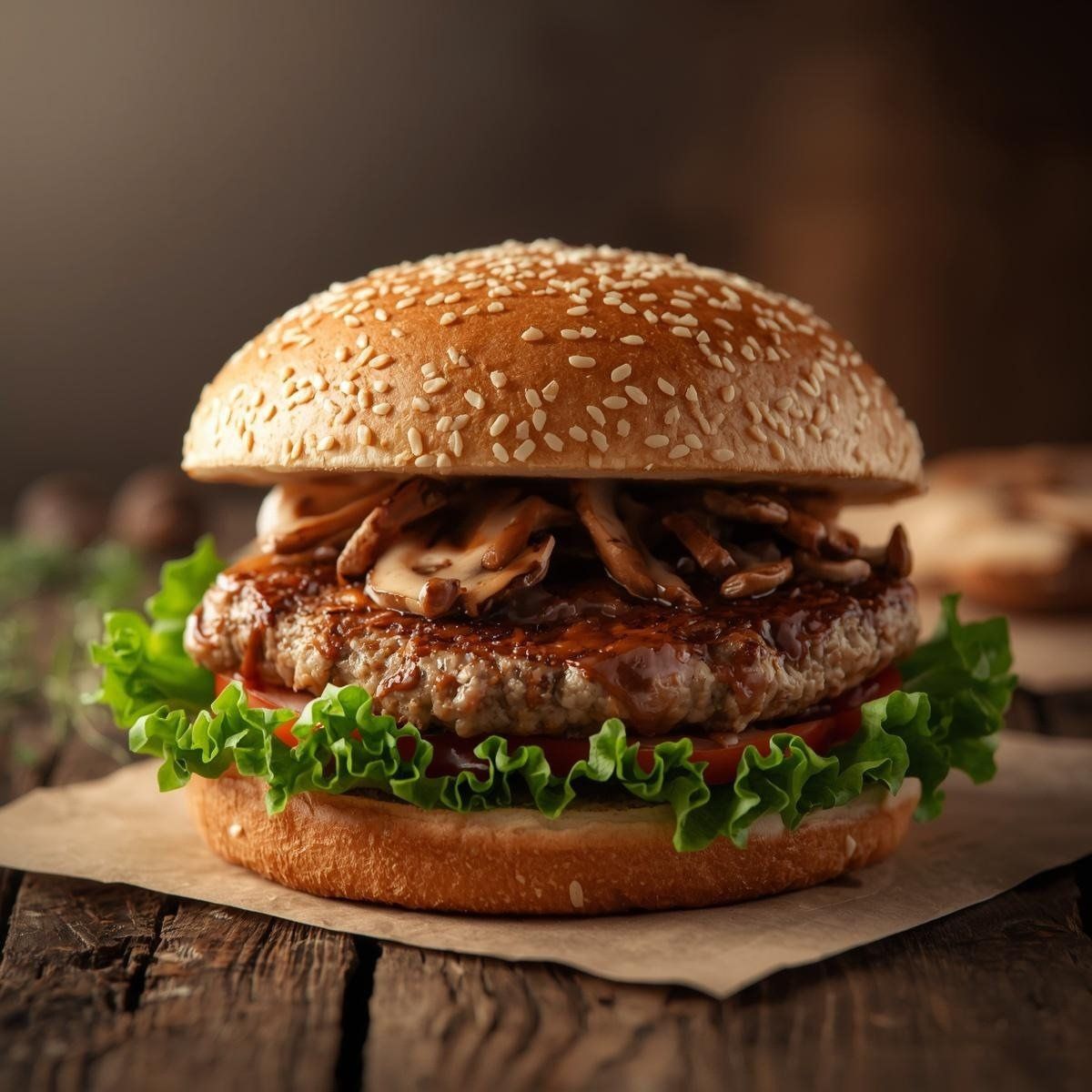
Why’s Everyone Talking About Mushroom Meat?
Fort Wayne, Indiana — April 19, 2026 — What’s with mushroom meat? This question has gained significant traction in recent months, as plant-based alternatives continue reshaping how consumers approach protein. Mushroom meat refers to plant-based products that use fungi — particularly mycelium — to replicate the texture, flavor, and nutritional profile of traditional animal meat. This innovation also offers a sustainable option that appeals to health-conscious and environmentally aware audiences.

Top Chef Winner, Chef Zuzu and Jamie Logan make mushroom souvlaki.
What’s Driving the Mushroom Meat Movement In 2026?
The surge in mushroom meat adoption reflects broader shifts in consumer behavior and food technology innovation. Major platforms like YouTube and LinkedIn have seen an increase in content on plant-based eating, signaling growing mainstream interest.
This demographic pressure has accelerated investment in alternative proteins. Companies are shifting resources toward mycelium cultivation because it addresses multiple concerns simultaneously — environmental sustainability, nutritional density, and scalability. The technology behind mushroom meat has matured considerably, with texture and flavor profiles now rivaling conventional beef and pork products.
Behavioral patterns among consumers have changed dramatically. Audiences are increasingly turning to plant-based options not just for health reasons but as part of broader lifestyle choices around sustainability. This mirrors patterns seen across the creator economy, where platforms like TikTok and Instagram have amplified plant-based content creators, further normalizing mushroom-based alternatives. For those exploring ethical consumption choices, understanding The Good Card and its benefits offers another avenue for values-aligned decision-making.
Why Mushroom Meat Stands Out Nutritionally

Vegan Mushroom Wellington at a hotel restaurant
Mushroom meat delivers impressive nutritional value that often surprises newcomers to plant-based eating. According to NIH mushroom research, mushrooms are a good source of niacin, pantothenic acid, selenium, and copper, while serving as an excellent source of riboflavin. These nutrients support energy metabolism, immune function, and cellular health.
The protein comparison proves particularly compelling. Research indicates mushrooms have higher protein content than wheat and are comparable to — or even greater than — meats from cattle and fowl. Additionally, mushrooms are devoid of cholesterol and low in fat, with a substantial proportion of their fat content comprising unsaturated fatty acids advantageous for cardiovascular health.
Vitamin content sets mushroom meat apart from many alternatives. B vitamins, particularly B3, are abundant in mushrooms, often exceeding concentrations found in beans and traditional meat. Fresh wild varieties like chanterelles can contain up to 1,200 IU of vitamin D per serving when exposed to sunlight, according to Harvard’s nutrition analysis.
First-Ever Annual Climate Week Made Headlines
Debunking Common Misconceptions
Several myths persist around mushroom meat that deserve clarification. The assumption that mushroom-based products lack adequate protein contradicts available evidence—fungi-based proteins often match animal sources gram for gram. Similarly, not all mushroom meat products undergo heavy processing; many brands prioritize minimal ingredient lists and whole-food approaches.
Environmental concerns sometimes arise from consumers’ unfamiliarity with production methods. Mushroom production aligns with sustainable food supply practices, requiring substantially less water than beef production and generating a fraction of the carbon emissions. This sustainability dimension has attracted attention from industry analysts at organizations like HubSpot and Salesforce, who track consumer preference shifts toward eco-conscious brands. The growing interest in sustainable alternatives extends beyond food—vegan leather innovations demonstrate similar patterns across industries.
What to Watch When Choosing Mushroom Products
Quality varies significantly across the mushroom meat market. Sodium content in processed options can climb unexpectedly high, so checking nutrition labels remains essential. Some products include additives and preservatives that undermine the whole-food appeal many consumers seek.
The Story Behind the Revolution
Transparency in sourcing matters increasingly to informed buyers. Look for organic certifications and brands that disclose their production methods. UV-treated mushrooms, which carry labels indicating enhanced vitamin D content, offer additional nutritional benefits worth seeking out. The rise of conscious consumerism has prompted platforms like Google and Meta to feature more educational content around reading food labels effectively.
Making the Transition Work
Starting with familiar recipes makes incorporating mushroom meat more approachable. Substituting mushroom-based crumbles in tacos, pasta sauces, or stir-fries allows the texture and flavor to shine without requiring entirely new cooking skills. The umami flavor profile makes mushrooms particularly effective meat replacements in savory dishes.
Cooking techniques influence outcomes significantly. Marinating mushroom meat enhances flavor absorption, while appropriate cooking temperatures ensure optimal texture. Many consumers find that mushroom-based products actually absorb seasonings more effectively than animal proteins, allowing for bolder flavor profiles. As vegan media consumption rises, cooking tutorials and recipe content have become more accessible than ever.
You, Too, Can Be Fit and Vegan!
Why This Shift Matters Now

Molly is on a mission to save the planet with her Planet Reality Pasta!
The mushroom meat movement represents more than a dietary trend—it signals fundamental changes in how food systems may evolve. As traditional agriculture faces mounting pressure from climate change and resource constraints, alternatives like mycelium-based proteins offer scalable solutions. Industry leaders, including major food conglomerates, have begun acquiring or partnering with mushroom protein startups. These moves validate the category’s commercial potential.
Consumer behavior has shifted decisively toward values-aligned purchasing. Substituting mushrooms for meat can satisfy the body’s requirement for unsaturated fatty acids while reducing adverse effects associated with excessive saturated fat consumption. This health-environment intersection positions mushroom meat as a compelling option for the growing number of consumers seeking both personal wellness and planetary impact. Events like Vegan Camp Out 2026 reflect the expanding community around plant-based lifestyles.
The trajectory suggests continued growth. As production scales and prices decrease, mushroom meat is likely to move from specialty stores into mainstream grocery aisles, pivoting protein consumption patterns for millions of households away from animal products and towards healthier, more sustainable options.
This article is meant for educational purposes and not as a diagnosis or medical suggestion. Always consult a doctor before making any radical changes in your health routine.
Share This
About the Author: Lauren Caggiano


Latest News



Stay Tuned In
Be the first to know when new shows drop! Plus, get the hottest headlines, inspiring stories, and behind-the-scenes extras. Sign up and keep streaming!
you might also like

Spanish seafood company Nueva Pescanova has abandoned its plans for a proposed commercial octopus farm in Gran Canaria after years of scientific criticism, animal advocacy, and international public pressure.

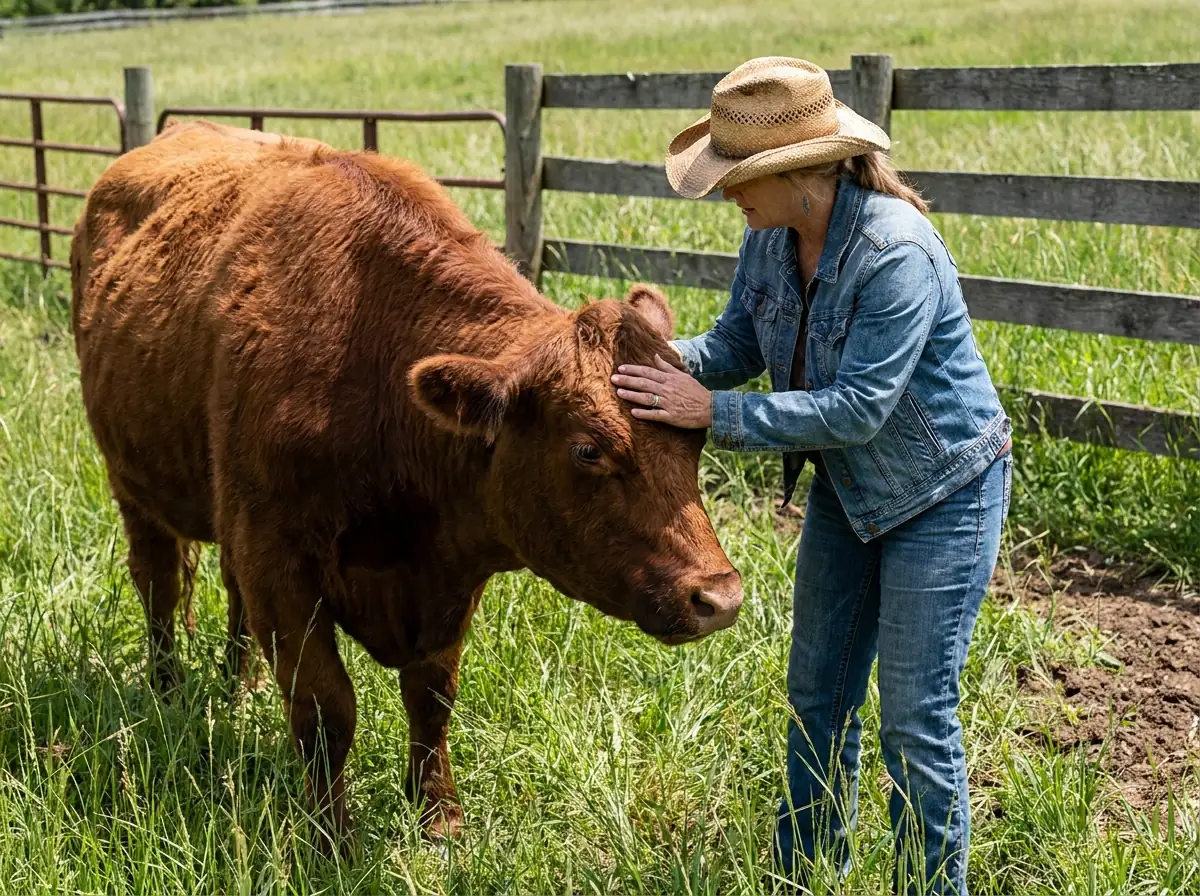
Renee King-Sonnen, founder of Rowdy Girl Sanctuary, embarks on her rancher-to-vegan book tour in Los Angeles, featuring sponsorship from Beyond Meat and a signing at Gentle Barn.
-
Wayne Hsiung sees charges dismissed after California appellate court reverses two convictions in the Sonoma County factory farm open rescue prosecution.