
Oceans Under Threat: How Our Diets Are Harming Sea Creatures
Share This
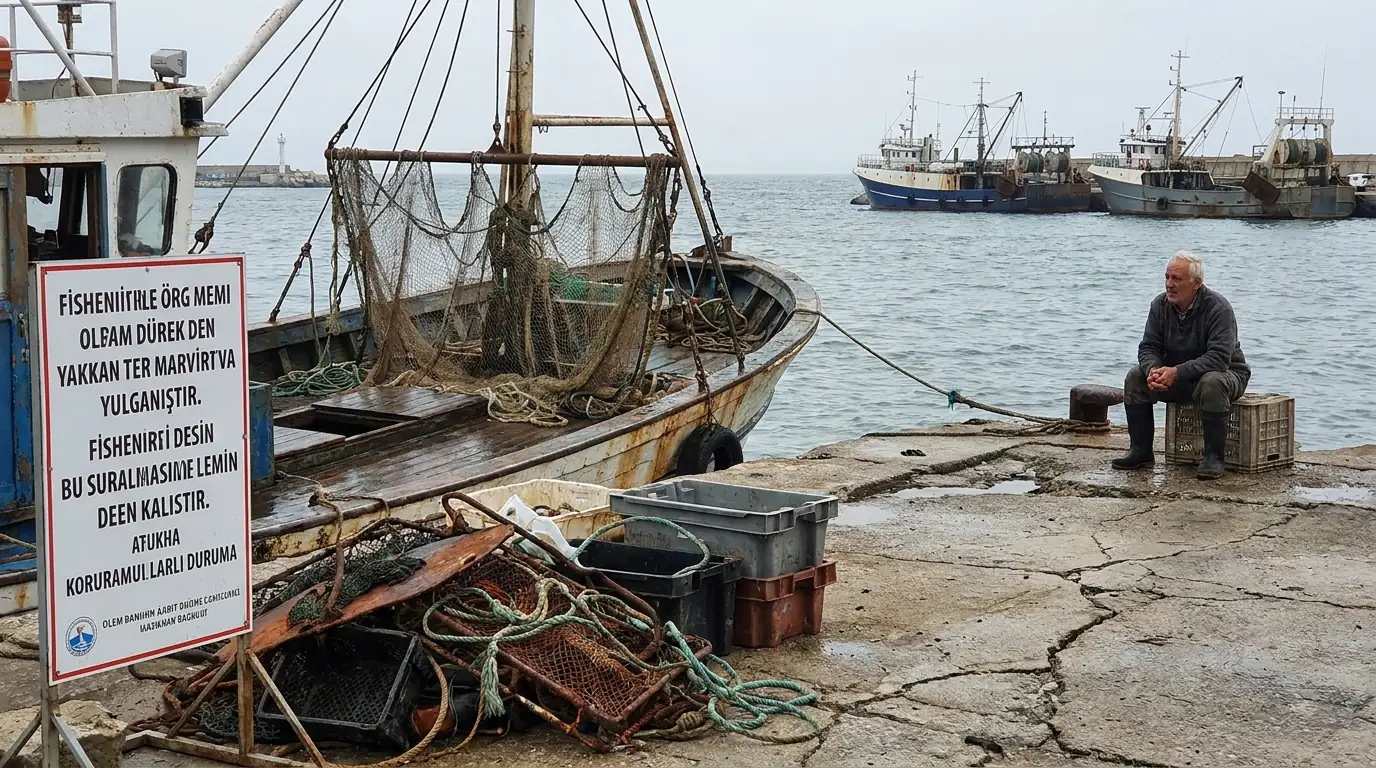
Sea creatures are facing a slow-motion crisis driven largely by what ends up on our plates, as seafood demand and certain farming practices strip their habitats and dump pollutants into the ocean.
Fort Wayne, Indiana — July 6th, 2026 — Here’s the thing: the fork in your hand has more ocean impact than most people realize. The good news? You hold real power to change that.
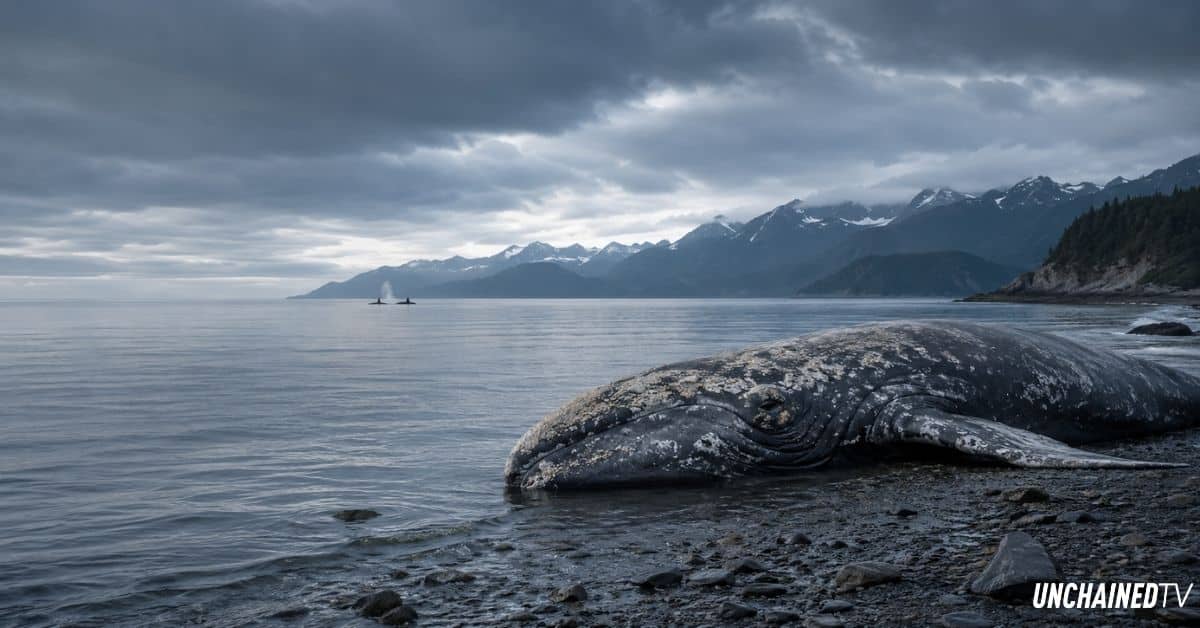
A stranded gray whale on a stormy Pacific shoreline reflects growing concern over whale deaths, food disruption, and ocean health.
What’s Happening to Our Sea Creatures?
Sea creatures are being pushed to the brink by overfishing, agricultural pollution, and warming waters, with global fish and seafood production set to hit 202 million tonnes by 2030. That’s a staggering amount of pressure on a system that can’t keep up.
Look, the ocean isn’t an endless buffet. When you pull fish out faster than they can breed, populations crash. The Overfishing’s Impact on Ocean Health research defines overfishing simply: it’s when fish are removed at a rate higher than their reproduction capability. Once you cross that line, recovery can take decades, if it happens at all.
Pollution piles on top of that. Fertilizer and waste from large-scale animal farming wash into rivers and out to sea, creating zones where almost nothing can live. The animals you rarely think about, like filter-feeding shellfish and tiny plankton, take the first hit. And, when the bottom of the food chain wobbles, everything above it does too.
Some species feel this harder than others. Tuna and sharks, prized for their meat and fins, get hammered by intense fishing pressure. The Atlantic cod is the classic cautionary tale, once replete off Newfoundland’s coasts, its stocks drastically fell because boats simply took too much. Bycatch makes it worse, as nets scoop up dolphins, turtles, and seabirds that were never the target and rarely survive.
Hold the Fish
Warning Signs: How to Spot Threats to Marine Life
Threats to sea creatures show up as declining fish populations, rising ocean temperatures, and a flood of plastic waste washing into marine habitats. These signals are easy to miss until they hit your dinner plate or your local beach.
The most direct warning sign is scarcity. The foremost effect of overfishing is a decline in fish populations. When a once-common fish suddenly costs a fortune or vanishes from menus, that’s the ocean telling you something. Warmer water is another red flag. It pushes species out of their normal range and bleaches the coral reefs that countless sea creatures call home.
Warning: If your favorite seafood keeps getting pricier and harder to find, that’s often a sign the wild population is under serious strain, not just a market quirk.
Plastic tells its own grim story. Reports of marine animals tangled in nets, bags, and packaging keep climbing. Even scarier? Microplastics now show up inside the seafood people eat, which means the problem has circled right back to us. You can see the same pattern of human pressure on land, where Elephants and Geese Are Under Siege in conflicts driven by our choices.
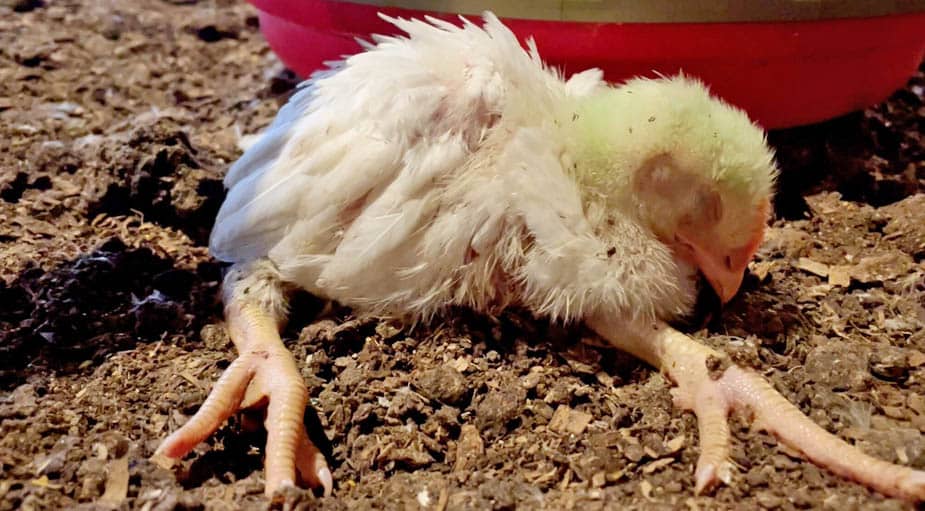
Fish are farmed as intensively as cattle and chickens.
Common Myths About Seafood and Sustainability
The biggest seafood myths are that farmed fish are sustainable and that eating local helps sea creatures, when in reality both do real damage. These half-truths let harmful habits slide.
Take farmed fish. People assume “farmed” means “guilt-free,” but some fish farms clear coastal habitats, leak waste, and rely on wild-caught fish for feed. Local isn’t a magic word either. A local fishery using destructive gear can wreck the seabed just as badly as a distant one. The source matters far more than the mileage.
Here’s the honest breakdown. Farmed fish can lead to habitat destruction when operations bulldoze mangroves or pollute bays. Wild-caught fish can be overfished into oblivion when there are no real limits. The BBC Future analysis on sustainable fishing notes the FAO estimates only 65% of fishery stocks in 2019 were operating at biologically sustainable levels. That leaves a big chunk that isn’t.
Amazing Creatures: Sea Otters
What to Do When Your Diet Harms Sea Creatures
You can protect sea creatures by cutting plastic waste, supporting ocean conservation, and shifting toward plant-based meals that reduce fishing pressure entirely. Small swaps add up fast. Plant-based eating is one of the most direct ways to help. Every meal you build from plants reduces demand for overfished species and lessens the environmental fallout from fishing fleets. And it’s genuinely fun to explore. Gardein’s Ultimate Plant-Based Crispy Breaded F’sh Filets prove plant-based fish alternatives are delicious and taste surprisingly like fish filets from actual fish.
Eat Vegan, Save the Planet
Finding Sustainable Sources
Stocking your kitchen with plant-forward basics makes the whole thing easier, and these Essential 7 Vegan Pantry Staples are a smart starting lineup. UNCHAINEDTV regularly spotlights how everyday food choices can ease the load on marine life.
So where does this leave you? The ocean’s troubles can feel huge, but sea creatures respond fast when pressure eases. Cut the plastic, question the labels, lean into plants, and speak up for smarter policy. Every plant-based plate and every thoughtful purchase tilts the scales back toward a living, thriving ocean, and that’s a future worth eating toward.
Share This
About the Author: Lauren Caggiano



Latest News




Stay Tuned In
Be the first to know when new shows drop! Plus, get the hottest headlines, inspiring stories, and behind-the-scenes extras. Sign up and keep streaming!
you might also like

Wayne Hsiung sees charges dismissed after California appellate court reverses two convictions in the Sonoma County factory farm open rescue prosecution.
-
Dramatic developments in the trial of 4 Direct Action Everywhere (DxE) animal rights activists who rescued 2 baby goats from a Northern California goat farm! The charges have reportedly just been reduced from felonies to misdemeanors.

A new Mercy For Animals investigation into Costco’s organic chicken supplier documents beatings, live burials of chicks, and organic standard violations.