Macaques Are Now Ebdengered
[Speaker 2]
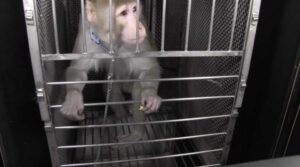
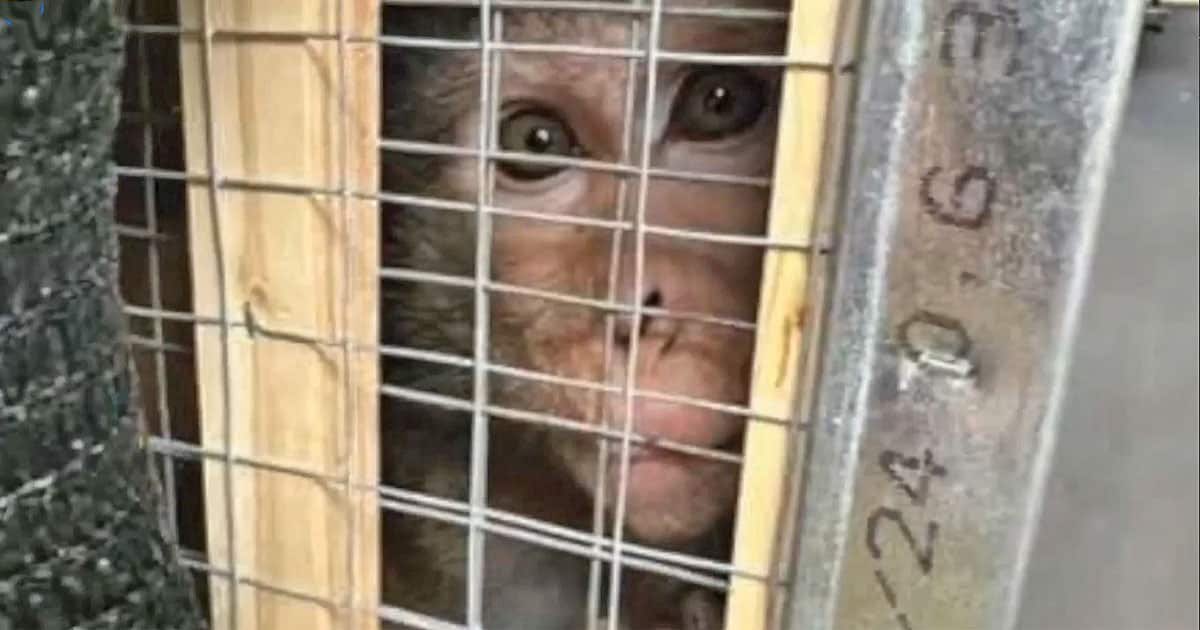
We are bringing you the very latest from PETA for people for the ethical treatment of animals and their breaking news and the breaking news is that these animals are in crisis. There is a war on monkeys. They are being kidnapped from the wild for lab torture and the U.S. government will not admit that long-tailed macaques are now endangered even though scientists are saying they are endangered and they need protections. So we’re going to go straight out to the person who knows more about than any other person on the planet and that is PETA’s chief scientist advisor for animal experimentation, Dr. Lisa Jones-Engel. Dr. Lisa, tell us what’s going on.
[Speaker 1]
It’s all monkeys all the time and unfortunately for our U.S. government, at least one portion of it, the U.S. Fish and Wildlife Service, they’ve decided that even though all the data is there the population declines, the smuggling, the illegal capture, the disease risk, they’ve said now twice that long-tailed macaques are not worthy of being added to the Endangered Species Act and that’s crazy because the data don’t lie and so the question that we all need to be asking U.S. Fish and Wildlife is why aren’t you seeing it? Why aren’t you responding to what the scientists are putting in front of you?
[Speaker 2]
Well, how is it possible that they ignore the science, that they ignore major environmental scientific groups who are saying these animals are endangered and the reason why is that you keep kidnapping them to put them in cages to be experimented on in torturous experiments?
[Speaker 1]
You know, I think a lot of it has to do with we are up against an incredibly powerful industry. You know, the pharmaceutical industry, the big primate, the big monkey importers, remember this is a billion-dollar industry and a billion-dollar industry buys you a lot of time in people’s offices. It buys you a lot of meetings.
It buys you a lot of monkeys and I think money is doing a lot of talking here but as the money talks, the monkeys die, the populations decline. Just because U.S. Fish and Wildlife has again denied this petition doesn’t mean that the conservation risk, the threat for this endangered species has changed. The IUCN, the International Union for the Conservation of Nature, the global authority on whether plants and animals are at risk of being endangered, critically endangered, going extinct, that global authority has now said twice in the last four years, long-tailed macaques, these animals are being wiped off the face of the earth and one of the driving forces is their extraction from the wild to be boxed up and sent around the world, primarily here to the U.S. for use in experimentation. I don’t know how an agency like the U.S. Fish and Wildlife Service can deny the numbers, can deny their own data, can deny data from scientists and say looks fine to us.
[Speaker 2]
Well not only that but you and your organization PETA has documented other risks to humans from the importation of these macaques and other primates to the United States for experimentation. Let’s listen to you at a news conference in Washington D.C. last year.
[Speaker 1]
CDC’s own data show that tuberculosis infected monkeys imported from Southeast Asia and Mauritius made it through federal quarantine and into U.S. laboratories carrying multiple strains of TB including a strain that we have never seen before here in animals. A new peer-reviewed CDC paper quietly published behind a paywall confirms this. Tuberculosis sickens 10 million people and kills one in a quarter of them every year.
It’s the world’s leading cause of death from a single infectious agent according to the World Health Organization. This deadly disease is coming into the U.S. and ironically going into the laboratories that are supposed to be curing diseases.
[Speaker 2]
So not only is monkey experimentation not curing diseases, all the diseases they cite cancer, diabetes, heart disease are going up but it’s posing a threat to humans. Can you expand on that Dr. Lisa?
[Speaker 1]
Exactly and so I mean thank you for playing that that clip and that was about a year ago now when again we what PETA has been doing is we’ve been following the pathogens because we know that this a real weak point for this industry is having people look in and say oh not only are you just bringing endangered monkeys into the U.S. these monkeys once they’re caught up in this importation pipeline are invariably harboring dangerous infectious diseases. Everything from tuberculosis to shigella to herpes b to simian retroviruses to malaria parasites and I want to share something with you Jane that we just learned.
So the the CITES animal committee so the CITES this is the global organization that oversees trade in animals and plants. CITES met last week and the U.S. fish and wildlife delegation had the audacity to say hey stop trying to use the threat of infectious diseases being brought in with these monkeys as a way to backdoor shutting the door on importation. This was basically the same day that the CDC published another paper and said yeah you know what over the past couple of years we’ve had more monkeys arriving, the shipments are larger, the larger the shipments the more sick the monkeys are, we’ve not been able to detect all the infections, the infections are leaving quarantine, monkeys are moving to other facilities, people are getting exposed.
Again I’m a scientist, the data are right in front of all of these agencies. What is it going to take at this stage? You are defining the pathway for the next global pandemic with this industry and for what?
Because the scientific community is rapidly moving beyond using non-human primates and yet this multi-billion dollar industry says uh-uh, not yet, I want to try to squeeze every single penny I can out of these monkeys. It’s incredibly dangerous.
[Speaker 2]
Meanwhile there is still an effort to put a giant laboratory monkey breeding facility in a small town in Georgia and there’s been so much uproar about that there’s even a documentary that is now streaming on Unchained TV. Let’s take a look at a little clip of that documentary called 30,000 Monkeys in Our Backyard.
[Speaker 1]
We learned that this proposed facility was going to be 30,000 monkeys. My god you know at this rate this industry will empty the forest of macaques and then I actually read just a little bit more closely and that’s when we saw who the main players were.
[Speaker 4]
He was the COO of a company named InVigo. This is a company that in addition to importing monkeys also ran a beagle factory farm that supplied beagles to laboratory experiments. The department of justice ended up coming down on this company.
They took dogs who were in acute distress out of there and eventually shut the entire place down. That’s how hideous this place was and InVigo even pled guilty to conspiracy to violate the federal animal welfare act as well as the federal clean water act because they were also not properly treating the water coming out of this facility. The humane society of the United States is carrying out its largest animal rescue ever.
[Speaker 5]
Four thousand beagles rescued from the Cumberland Virginia breeding facility run by research company InVigo.
[Speaker 1]
We knew what this man was capable of he was in charge of that facility when the undercover investigations were going on when the USDA was coming in.
[Speaker 2]
What I don’t understand is how these people are all these wars and no one does research. Now we invite any company mentioned on to respond but you’re saying essentially the company that is trying to build this massive 30,000 monkey facility in Georgia that has caused such an uproar is connected very much involved or overlapping with the InVigo company which had made headlines because they were forced to shut down and four thousand of the beagles they bred were rescued and put into loving homes.
Is that correct?
[Speaker 1]
That is absolutely correct. That is you know it’s one of the things that we’re that I think people are starting to understand even more is that these companies that that use beagles also use monkeys and a lot of time I mean we beagles and the monkeys kind of pay in many ways to support some of the the beagle use infrastructure because the these companies are making tens of thousands twenty thirty forty fifty thousand dollars selling these these monkeys to experimenters but monkeys and beagles they are the the species that are kind of underpinning this entire industry around relying upon animal models to supposedly give us better better human drugs and treatments and my goodness it’s the suffering is undeniable the bad science is is on full display and then you have you have Bainbridge and you know what Bainbridge you know how much I love the folks in Bainbridge Jane Bainbridge has they have like they’ve stuck that that spear in the ground right there in their town and said no more we are ground zero we are a community who is going to we are at the front lines of this industry trying to expand and put this massive facility in our town and they said no and they are fighting tooth and nail well we’re are we getting ready to roll into year three
[Speaker 2]
of this legal battle and it goes on the legal battle stand because I know there have been some
[Speaker 1]
rulings yeah so it’s it’s expanding and I forgive me I’m gonna have to look at my notes here a little bit because it just it’s it’s complicated but we know that the state officials have now stepped into one lawsuit they’re aimed at moving the monkey project forward local residents have filed multiple additional lawsuits they argue that the project was advanced without proper transparency and you know that’s that’s the key in this industry they cannot stand anyone to look closely at them and I want to say I mean these even though this has been going on for now what two years two and a half years we’re still in the beginning of it and I I can guarantee you PETA will we will not leave this battle we will not we will not leave Bainbridge we will not leave them unsupported and we will not make sure that that facility in Bainbridge never breaks ground it was supposed to a broken ground I mean they should already according to their plan they should have had monkeys in there by now they should have been selling monkeys and not a single brick has been laid and that’s because this community has stood up and said no not in my backyard
[Speaker 2]
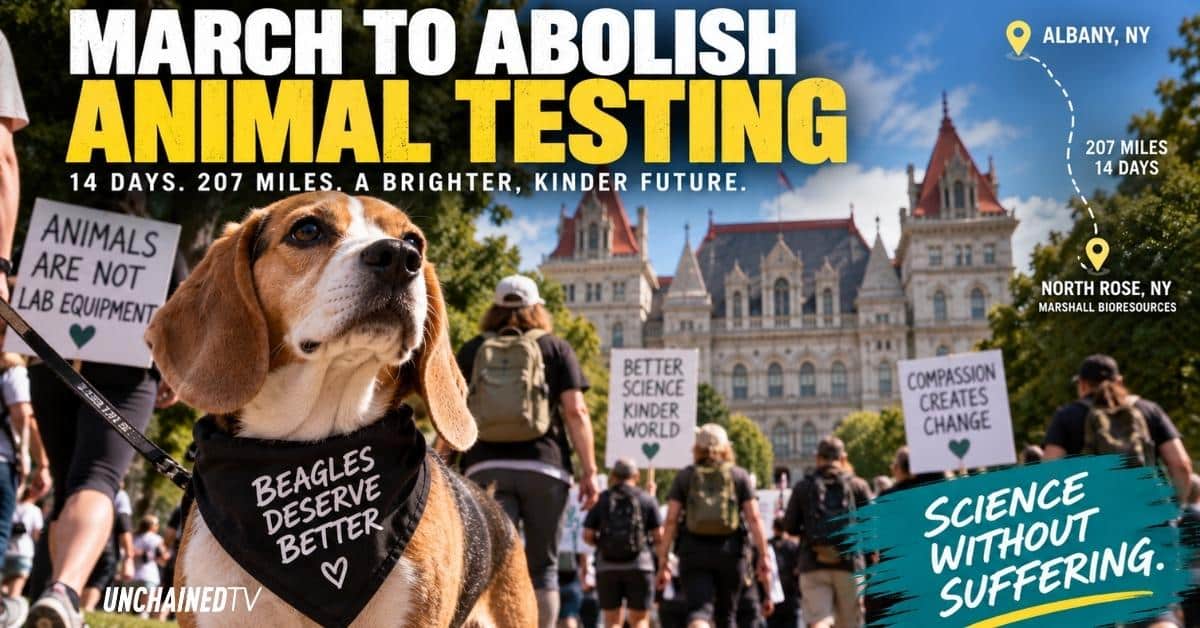
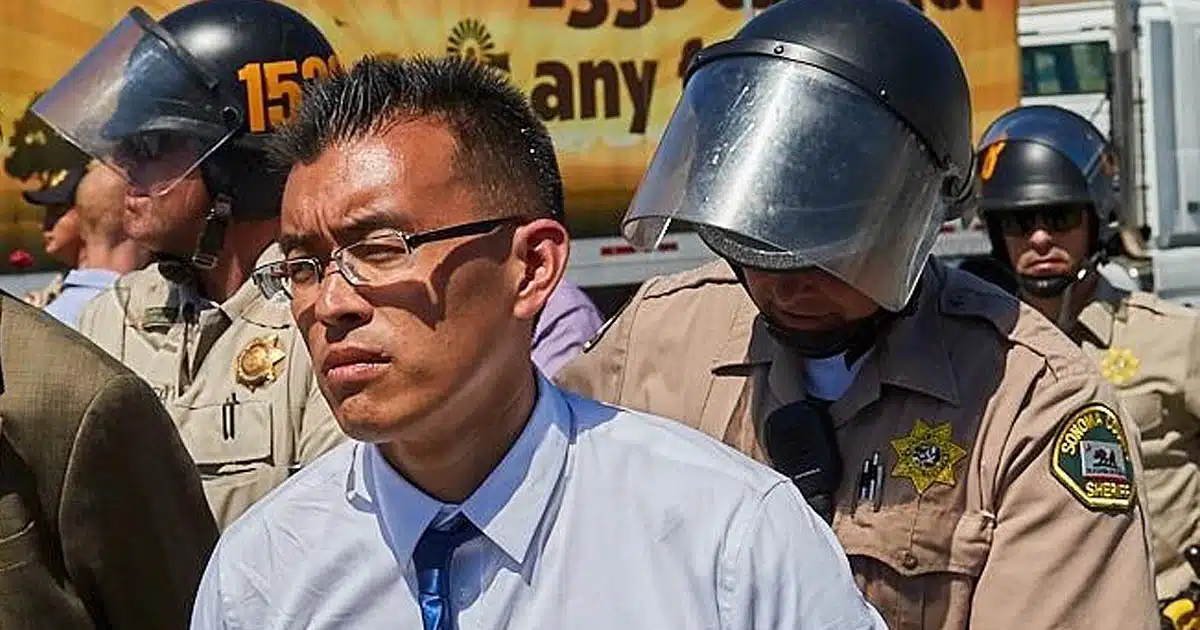
well and meanwhile all this is happening this battle to stop the monkeys being imported at a time when the culture is shifting I’ll just show you here’s a protest against animal testing happening outside of the biggest beagle breeder in the United States and there is all sorts of plans there’s a giant march planned in September from Albany to this facility to say no more animal experimentation it’s gone very mainstream and certainly you know about and the world knows about the rescue of beagles that occurred in Wisconsin at the Ridgeland beagle facility and that that became a globally reported on war with a series of what they call open rescues this is the first rescue where about 24 beagles were taken into good homes and then you have the second rescue where it really became a war between the would-be rescuers and law enforcement that hit the rescuers with tear gas and rubber bullets we can watch that for a second before getting your big picture commentary
[Speaker 3]
the whole world is watching you do you know that
[Speaker 2]
and then you had because of that uproar because of the global coverage as up to a thousand would-be rescuers were attacked with rubber bullets and tear gas you had behind the scenes negotiation and finally an announcement that these Ridgeland beagles would all get out so the final thing i want to say before getting your commentary big picture on where the culture stands on vivisection after all that hullabaloo and how happy all americans and people around the world were to see the beagles released uh and taken into good homes through non-profit organizations like beagle freedom project etc then you had politicians falling over each other to speak out against vivisection here’s a republican incumbent but i have to point out because we don’t do partisan politics here the democratic opponent said very much even he was also speaking very much against the largest beagle breeding facility the one in new york state listen to this republican congressman sound more like a radical animal rights activist and that to me indicates that the culture is changing there’s someone in the crowd here
[Speaker 3]
from england someone from washington state i mean i since since i have joined this fight i have heard from people and you know that i’ve contacted my office from all 50 states because this is this is not a just a local matter although it’s disgusting that this is a local matter that this is going on right here in new york state uh and i had a long conversation this week with with the usda and uh talking about a lot of policy matters talking about legislation that we’re working on talking about what their criteria and what they’re allowed to do under the law with inspections and they are willfully behind because the laws on a site like this they do back to the 60s you know these animal testing regulations are far too old they
[Speaker 2]
need to be modernized they need to be improved and i will say his opponent said that’s not enough we need to go further and so literally again we don’t engage in partisan politics or endorse any candidates but it was just fascinating to see a republican and a democrat literally falling over themselves to speak up against animal experimentation so you have all of that happening a real cultural shift i see it as on one side but then on the other side you still have the primarily the government importing all these monkeys how is that possible both of these happening at once
[Speaker 1]
um that we’re gonna unpack all that but first i have to say i’m i met one of those richland beagles recently and to watch an animal who’s been born and bred in that environment kind of open up and become become a real dog become this astonishing animal i mean it gives me goosebumps just thinking about knowing the resilience of the animals who are in captivity and i think that is it’s so critical for us to understand that they will find a way and i bring this up because we’re going to be talking at some point about you know the 25 000 monkeys who are being kept in the national primate research centers where sanctuary is going to come for those animals and they will find a way to be macaques and you’re right jane the reason that it’s happening is because there is this bipartisan support when it comes to ending animal experimentation and i think that the people who are in charge the people who aren’t making money by experimenting on animals the companies the companies are making the money the the industry is making the money the government the government itself is not importing the monkeys now the government has not shut the door on those importations and they have the ability to do that and if they did that i i could retire i could be done and dusted but i think that you you touched on something this is a cultural moment everything is coming together we have democrats and republicans coming together saying let’s support the primate act we had um the um fda modernization act 3.0 was just passed we’ve got the cdc ending its use of monkeys and sending them to sanctuary we have nih dramatically reducing the amount of funding going towards primate experimentation and we have the world looking at the animals generally the beagles who are inside these facilities but the beagles are kind of like the gateway to see the monkeys if you can see the beagles give me a minute and let me show you the monkeys who are in there because you will feel the same way about those monkeys that you feel about the beagles these are these are animals who are us these monkeys love the same way that we do they care for their young the same way they protect each other they they quarrel and they quibble and they can get jealous in the same way they are us and the last place that they belong are in these crates in these cages in these massive monkey breeding facilities in asia these animals belong in the forests of asia and mauritius that’s those are their homes that’s where they are keystone species that’s where they have been there for millions of years in harmony with those environments until this massive us industry which is driven by money not by science this industry driven by money saw them and said hey i’ll take you and you and you and you and you and you tens of thousands a hundred almost three hundred thousand of them just within the last decade or so that’s no species no animal no matter how resilient how adaptable can withstand an industry who has put a target on their back um so that’s why i you know the primate act was introduced in the house back in april the primate for preventing risky importation of monkeys to avoid toxic exposures greg stuby republican dina titus democrat both put this act forward and what it’s really very simple it attacks the problem at the source it basically says you don’t it doesn’t just protect the monkeys it eliminates the pathway by which these dangerous pathogens with these monkeys are caring because they’re caught up in this horrible system that these monkeys carry when they’re imported to the us so the primate act says shut the door no more primate importation for experimentation it’s not going to stop any other legal importation of primates for for zoos but for primates who are destined destined for experimentation no that door is going to be shut by the primate act and i think i encourage everyone to go to peta.org forward slash primate act and you can you can actually reach out to your representative there it’s very easy a few clicks you can send them an email and ask them to co-sponsor to support this and jane we need that because i promise you the industry the import industry the experimentation industry is banging down the doors of these legislators as well and saying please please no no no we got to have monkeys we know don’t stop the flow of monkeys we need monkeys we don’t need monkeys science no longer needs monkeys science needs human relevant science not a monkey business you bring up a very
[Speaker 2]
important point is that for the first time in history now we have high-tech methods that are so much more uh well one could argue animal experimentation was always off like i said all the things that they’re purporting to cure i remember when i started in the news business what 30 40 years ago they were asking me to march for a cure here there and everywhere and as soon as i started asking questions about where’s the money going you’re off the hook you don’t have to lead the march they didn’t want anybody asking questions and i’ll never forget that that was a very big one of these march for the cure groups a cure that has never been found while they torture how many animals spend millions of tax dollars etc etc but the point is now we are at a point in the 21st century where we have organs on a chip where we have ai where we have quantum computing that can solve problems that would take humans like a hundred years in five minutes i may be exaggerating slightly but these are extraordinary tools and we’ve seen them affect every other aspect of human life uh and now they are providing a solution to those who would argue we need to use animals well no we have all these other tools that are more effective and the scientists themselves are saying it and now there’s a new government agency under the national institutes of health called oreba that is specifically tasked with connecting that technology with the experiments to get rid of animal experimentation so i don’t understand how the monkey importation is still happening
[Speaker 1]
when we’ve got all these positive developments it’s really i mean let’s let’s talk about a reva the office of research innovation validation and application you know you don’t have nih investing an office like that and without the recognition that that you need this that this validation that the animal models have not produced that the the they’ve not translated they they’ve they’ve not they’ve not given us that that system that old system had tremendous limitations and a reva is basically nih’s way of saying we really have to put our dollars put our support behind innovative research all those things you were talking about the organs on the chips the the machine learning the the the big data i mean basically we have centuries of of data that we can put into these machine learning models that can actually give us these basic answers that the that the monkeys and the mice and the beagles continually fail to produce answers that are to humans and so i think that what we are seeing is your question is why why do we still have monkeys coming in why do we still have a hundred thousand of them here in the u.s right now in part i think it is a little bit of inertia a lot of fear these companies know that the end is very near but they also know that a plane load of monkeys coming in is worth about 25 million dollars that that is a huge incentive for them and i i think we’ve talked about this before you know animal experimenters are some of the most conservative scientists conservative people when it comes to innovative thought of trying new techniques they know how to do one thing they know how to put something into a monkey or a beagle or a mouse and take a bits of it out and look at it they don’t know how to use and develop organs on the chips they don’t know how to to handle big data they know one thing how can i use an animal and they’re going to hold on to each one of those tails as long as they can and our job is to make it make it so that that we pry their fingers literally prying their fingers off of those animals and but i don’t i mean there’s real hope going on now again you’ve got ariva you’ve got you know the fda modernization act 3.0 you’ve got the primate act you’ve got parts of this government working to really dry up the amount of money going to primate experimentation we just need to make sure that this government acts they need they need to act for the animals and to tell industry you’re done you take your resources and focus them on these new technologies these human relevant technologies leave the monkeys
[Speaker 2]
the mice the beagles the ferrets alone we’ve got a question here uh the fda modernization act 3.0 just passed the house does it actually help with the macaque situation in georgia or is it totally separate bring us up to date where does the modernization act where is it now so again it
[Speaker 1]
just it just passed this morning and so what this i mean what the fda modernization acts are you talking about the house and the senate what has it been signed into law it’s not been signed at all but it just it finally it’s it’s passed all the hurdles the next step is to be signed into law got it and the thing about this that’s extraordinary is is that that the fda is a pretty conservative um agency and they are saying hey all these animal tests that we required before all this kind of animal data we realize now we accept now we will take non-animal methods new alternative methods for you client to to test your drug and treatments on we will take data that’s relevant that is huge change and that and that does mean something the bainbridge because for the bainbridge folks that’s basically saying the the demand for monkeys will decrease and when the demand decreases again it’s they’re not going to invest any safer human medicines one again they’ve not laid a single brick we’ve got them tied up in the courts they’re not making any money on this the fda modernization act and the primate act would be
[Speaker 2]
the final nail in their coffin well i’ll say i’ve uh worked with pita on previous battles the uh attempt to build a lab monkey breeding facility in puerto rico that went all the way up to the puerto rican supreme court that it was built already and they wouldn’t let it open uh god but this is another battle it seems like they always keep popping up uh and so my final question to you i know you’re a very busy person and thank you for taking the time my final question to you is what i see is a lot of people and again we don’t engage in partisan politics but a lot of people knee-jerk against anything that is being done today and simply saying any programs that are cut any programs that are cut is uh anti-science we have the universities that get a cut off of animal experimenters fighting back saying we need to keep our programs i hear it all the time when i watch the news uh and ironically it is progressive media to a large degree that says we’re killing research we’re killing science how do we get to those people and those who are academics and convince them that they are on the wrong side of history and even if they completely disagree with this administration uh you know even a broken clock
[Speaker 1]
is right twice a day you might say exactly i mean you you laid it out really well it’s animal science is bad science it just it it is simply it is bad science pita is absolutely we are not anti-science we have an entire i mean we have divisions of scientists we are focused on non-animal methods new alternative methods we support it we fund it we we write about it we publish papers about it we i’m going to the hill tomorrow to talk about this but jane the problem is the academics who only ever used animals they see their livelihood drying up so they’re not thinking with their scientific brain they’re thinking with their pocketbook they’re thinking with their wallet they’re thinking well when i can’t get my nih grant what am i going to do how am i going to maintain my 350 000 a year salary that i’ve been getting when my multi-million dollar grants are drying up um sorry doctor academic uh you you had your shot you you went through hundreds thousands of animals you made promises about vaccines and treatments that never came through your time is done so step aside and let the scientists who are doing the relevant science the human-based science let them to the forefront let that be the science that leads to improvements in human health because the animal science consistently doesn’t it’s slow science it misdirects science it absorbs resources and it
[Speaker 2]
kills millions of monkeys i want to say this has been so informative so enlightening i very much appreciate your time uh keep up the fight and keep us posted uh you know i just remind myself always of the horses on the streets of new york and sadly there are tragically still a few horses a relative few but when cars came along and there were plenty of people fighting there were there were spcas fighting for those horses but it was the cars coming along that took the majority of the horses off the street and that’s where we’re at right now so i want to thank you so much dr lisa jones angle and pita keep up the fight and keep us posted see you next time absolutely thank you thank you bye



 Delcianna Winders, Director of the Animal Law and Policy Institute at Vermont Law and Graduate School