
7 Ways to Avoid Exploiting Animals Beyond Eating Plant-Based
Share This
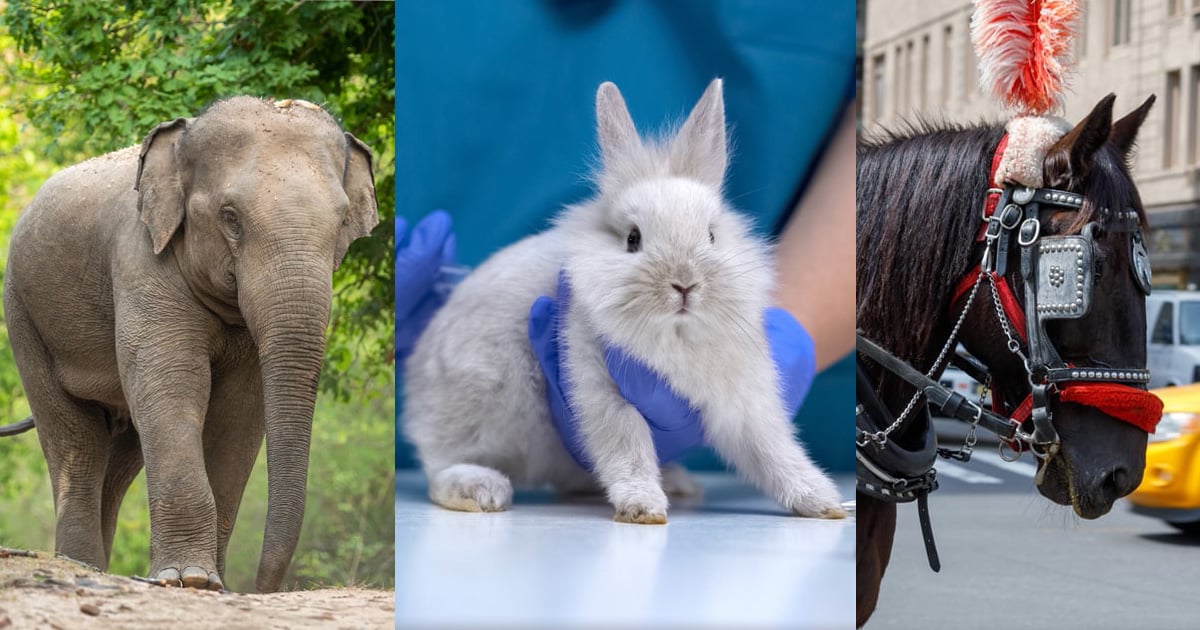
There are several ways to avoid exploiting animals beyond eating plant-based food or following a vegan diet
Beyond dietary choices, there are 7 ways to avoid exploiting animals beyond eating plant-based that encompass fashion, entertainment, cosmetics, and daily transportation decisions. Adopting a plant-based diet represents arguably the most significant step towards avoiding harm to animals, yet animal exploitation extends far beyond food into clothing production, wildlife captivity, product testing, and recreational activities. Trillion of animals from land and seas experience exploitation annually across industries that most consumers rarely consider.
Quick Summary: 7 Ways to Avoid Exploiting Animals Beyond Eating Plant-Based
- Don’t use clothes or fashion accessories with animal products.
- Don’t hunt or fish.
- Don’t visit zoos or aquariums for leisure.
- Don’t use cosmetics or toiletries tested on animals.
- Don’t attend spectacles or festivals that use animals.
- Don’t use pesticides or lethal methods to deal with human-wildlife conflicts.
- Don’t use animals as vehicles.
Watch “Veganism, Science & Spirituality?”
1. Avoiding Animal Products in Fashion

Fashionistas converge on Vegan Fashion Week in LA.
Animal-derived materials in fashion contribute to significant animal harm through leather production, wool harvesting, and silk manufacturing. The fashion industry utilizes materials from cows, sheep, goats, rabbits, silkworms, and exotic animals, often under conditions that prioritize profit over welfare and are downright cruel. Sustainable fashion alternatives now provide identical aesthetic and functional qualities without ethical compromise.
Leather production often involves raising cows specifically for skin harvesting, while wool extraction frequently causes severe distress and injury to sheep. Silk production requires boiling silkworms alive, and exotic materials like crocodile or snake skin involve wild capture or factory farming of reptiles. Cashmere comes from goats and angora from rabbits who experience terror when strung up to be robbed of the materials nature gave them to protect their bodies.
Identifying Ethical Fashion Brands
It’s fascinating to research brand practices by examining supply chains and animal material policies. Certified vegan labels from organizations like PETA and The Vegan Society indicate when products are free from animal-derived components. The Cruelty-Cutter APP allows you to scan a barcode and instantly see if the product was tested on animals. Innovative materials including mushroom leather, pineapple fiber, and recycled synthetics offer durable, stylish alternatives.
Pro Tip: Check for Global Organic Textile Standard certification alongside vegan labels to ensure both animal welfare and environmental sustainability standards are met.
2. Refraining from Hunting and Fishing
Male mule deer attempting to cross the road in Yosemite Valley in early morning. By Tabor Chichakly via Adobe Stock Images
Hunting and fishing cause direct harm to wildlife populations while disrupting ecosystem balance through selective species removal. Sport hunting targets specific animals for trophies rather than sustenance, while recreational fishing often results in prolonged suffering through hook injuries and oxygen deprivation. These activities contradict the foundational principles of reducing animal exploitation.
Commercial and recreational fishing generates substantial bycatch, unintentionally capturing and killing non-target species including dolphins, sea turtles, and seabirds. Hunting can destabilize predator-prey relationships and reduce genetic diversity within animal populations.
Understanding Wildlife Conservation
Genuine conservation efforts focus on habitat preservation rather than population management through hunting. Supporting wildlife sanctuaries and land trusts provides meaningful alternatives that protect animals without causing harm. Concepts like Compassionate Conservation offer a way to preserve ecosystems and save species without ignoring the individuals’ rights.
Warning: Many hunting organizations claim conservation benefits, but don’t be fooled by their propaganda and greenwashing. Killing is never conservation.
3. Choosing Not to Visit Zoos and Aquariums
Happy the elephant at Bronx Zoo
Zoos and aquariums confine animals to artificial environments that cannot replicate natural habitats, causing psychological distress and physical health problems. Captive animals frequently exhibit stereotypic behaviors including pacing, self-harm, and excessive grooming that indicate chronic stress. Conservation claims by these institutions often mask entertainment-focused business models.
Marine mammals in aquariums experience particularly severe welfare impacts, as species like orcas and dolphins require vast ocean territories that tanks cannot approximate. Elephants, great apes, and large cats similarly suffer from space restrictions that prevent natural movement and social behaviors.
Alternatives to Zoos and Aquariums
Accredited vegan animal sanctuaries provide refuge for rescued animals without breeding programs or public entertainment schedules. Wildlife reserves allow observation of animals in natural habitats through ethical ecotourism. Documentary films and virtual reality experiences offer educational alternatives without supporting captivity. As highlighted in sanctuary-focused reporting, these facilities prioritize animal wellbeing over visitor entertainment.
Watch “Harambe – The Movie”
4. Avoiding Animal-Tested Cosmetics

SWAG donated by all vegan Lush Cosmetics!
Cosmetics testing on animals subjects rabbits, mice, guinea pigs, and other species to painful experiments including skin irritation tests, eye exposure trials, and toxicity assessments. Over 100 million animals undergo laboratory testing annually in the United States alone, despite the availability of validated non-animal testing methods. Choosing cruelty-free products directly reduces demand for these practices.
Many mainstream cosmetic brands continue animal testing despite public opposition, particularly for products sold in markets where animal testing was historically required by law. However, regulatory changes and consumer pressure have expanded cruelty-free options significantly.
Identifying Cruelty-Free Brands
Leaping Bunny and PETA certifications indicate brands that avoid animal testing throughout their supply chains. These certifications require third-party audits and supplier verification, providing reliable assurance of cruelty-free status. Brands including e.l.f., Pacifica, and Drunk Elephant prove that quality cosmetics can be produced without any animal testing.
Do This: Download the Leaping Bunny app to scan products while shopping and verify cruelty-free status instantly.
Don’t Do This: Assume “not tested on animals” labels without certification, as these claims lack independent verification. And, definitely, don’t accept a shopkeeper’s assurance that a product is cruelty-free if it’s not on the label.
5. Participating in Animal-Free Events

Please boycott the rodeo so these innocent creatures are no long exploited.
Circuses with animals, along with rodeos, bullfights, and animal racing events exploit animals for entertainment through training methods that frequently involve physical punishment, abuse, and even death. Animals in these contexts perform unnatural behaviors under stressful conditions, often suffering injuries that go untreated. Attending such events financially supports continued animal exploitation.
Horse racing results in thousands of injuries and deaths annually, while rodeo events subject animals to electric prods, flank straps, and rough handling. Circus animals endure constant travel, confinement, and repetitive training that contradicts their natural behaviors. Bullfighting directly causes prolonged torture and death of terrified bulls.
Finding Ethical Entertainment Options
Theater productions, concerts, and human-centered performances provide entertainment without animal involvement. Community events focused on animal advocacy, such as those promoted by UNCHAINEDTV, celebrate compassionate living while building awareness. From VegFests to Cirque du Soleil, from pop concerts to stage plays, there are many, many ways to entertain yourself and your family without co-signing animal abuse. Never pay for any entertainment that involves animals.
6. Addressing Human-Wildlife Conflicts Humanely

Wild red fox in a park in London @Jordi Casamitjana
Lethal methods for managing wildlife conflicts, including pesticides, killing traps, and poisons, cause suffering to target and non-target species while failing to address underlying causes of animal presence. Humane deterrents and habitat modification provide effective, long-term solutions that respect the animals’ rights to life. Understanding local wildlife behavior enables coexistence without harm.
Rodenticides poison not only mice and rats but also predators like owls and foxes that consume the poisoned animals. Glue traps cause prolonged suffering through starvation and self-injury, while snap traps frequently result in non-lethal injuries which lead to prolonged suffering. There are always smarter, more compassionate alternatives.
Humane Solutions for Wildlife Conflicts
Natural repellents including peppermint oil, predator urine, and ultrasonic devices deter animals without causing harm. Exclusion methods such as sealing entry points and removing food attractants address root causes of wildlife presence. Professional humane wildlife services can relocate animals when necessary, ensuring both human and animal safety.
Pro Tip: Motion-activated sprinklers and lights effectively deter deer, raccoons, and other common yard visitors without chemicals or physical barriers.
Watch “Help Save India’s Elephants!”
7. Choosing Non-Animal Transportation
 Using animals for transportation (including horse-drawn carriages, elephant rides, donkey tours, and horseback rides) subjects animals to physical strain, inadequate rest, and exposure to traffic hazards. These practices persist primarily in tourist destinations where animal welfare oversight remains limited. Sustainable alternatives provide equivalent experiences without exploitation.
Carriage horses work on hard pavement in extreme temperatures, often without adequate water or rest periods. Tourist elephant rides require breaking young elephants through violent training methods that cause lasting psychological trauma.
Sustainable Transportation Options
Cycling, walking, and public transit offer environmentally friendly alternatives that avoid animal use entirely. Electric vehicles and bike-sharing programs provide convenient urban transportation. When exploring tourist destinations, prioritize operators that offer vehicle-based or walking tours rather than animal rides. Compassionate choices can and should extend across all consumer decisions.
Implementing these 7 methods to avoid exploiting animals, along with eating plant-based, creates comprehensive alignment between values and actions. Each choice, from fashion purchases to entertainment selections, either supports or challenges systems of animal exploitation. Dietary changes alone cannot address the full scope of animal welfare concerns across industries.
The most reliable method to ensure consistent avoidance of all seven exploitation categories is adopting the philosophy of veganism and becoming an ethical vegan. Veganism extends beyond diet to encompass a comprehensive lifestyle that seeks to exclude all forms of animal exploitation and cruelty. By embracing ethical veganism, individuals create a framework for decision-making that automatically guides choices in fashion, entertainment, cosmetics, wildlife management, and transportation. It makes it easy to be ethical and ethical living is the most joyful.
Check out this show and more at UNCHAINEDTV
Share This
About the Author: Jordi Casmitjana


Latest News
Stay Tuned In
Be the first to know when new shows drop! Plus, get the hottest headlines, inspiring stories, and behind-the-scenes extras. Sign up and keep streaming!
you might also like
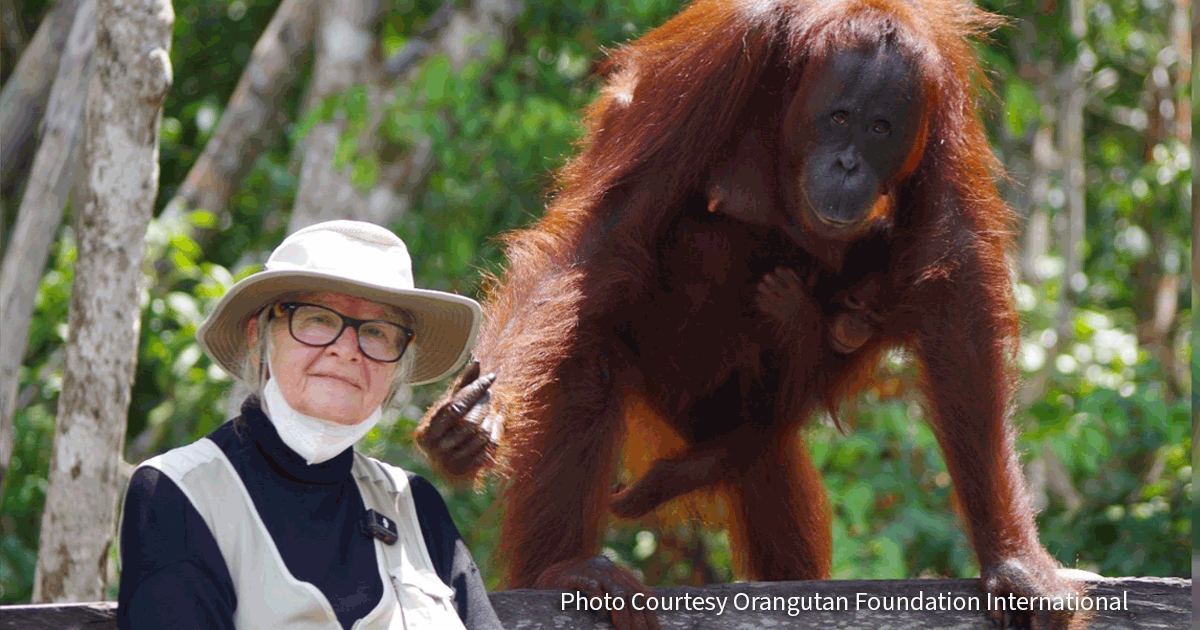
Dr. Biruté Mary Galdikas, the pioneering primatologist who devoted more than five decades to studying and protecting orangutans, has died. She passed away in Los Angeles on March 24, 2026, at the age of 79, [...]
Discover the 7 vegan skincare ingredients that'll make you glow, providing hydration and antioxidants for a radiant complexion.
In Defense of Animals exposes the current war on wildlife in the United States that ranges from elephants in zoos to geese on the streets IDA team discussing the American War on Wildlife [...]