
How the American Medical Association Is Advancing the Plant-Based Movement
Share This
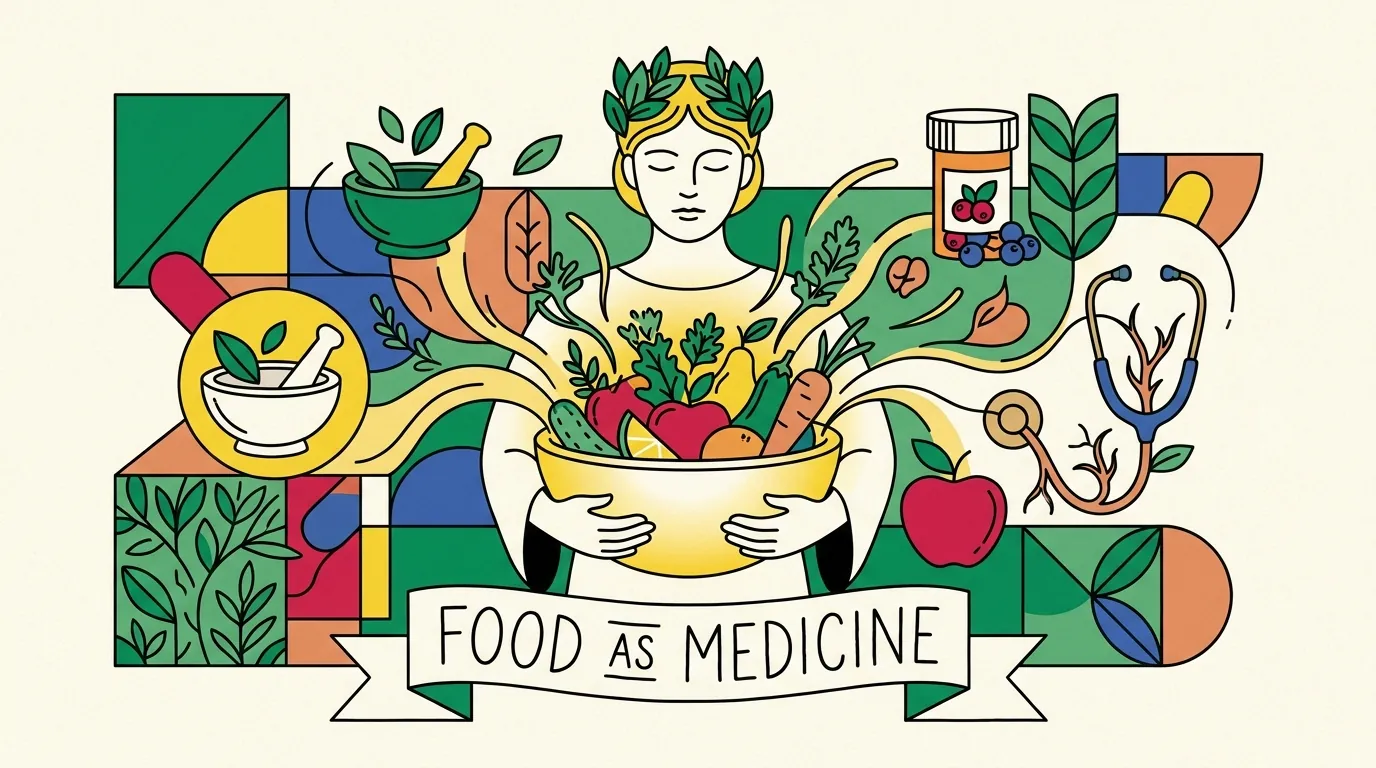
As we move through 2026, the plant-based movement is gaining traction due to growing evidence linking plant-based nutrition to improved health outcomes and increasing patient demand for dietary alternatives.
Fort Wayne, Indiana — June 13th, 2026 — The American Medical Association is taking significant steps to advocate for plant-based diets, officially backing nutrition policies that prioritize whole plant foods as a means to prevent chronic disease. This shift, building on the AMA’s earlier resolutions, reflects a broader transformation in how the medical community views diet, with more physicians turning to food as a frontline treatment for conditions like heart disease, type 2 diabetes, and obesity. The American Medical Association’s position holds considerable influence beyond its membership, signaling to hospitals, insurers, and food service providers that plant-forward eating is becoming a cornerstone of mainstream medicine.
A Landmark Resolution Reshaping Medical Nutrition

Forks Over Knives explores the health benefits of a whole-food, plant-based diet.
The AMA’s advocacy for plant-based diets dates back to a pivotal resolution in 2017, which urged hospitals to enhance the health of patients and staff through better food options. The resolution called for hospitals to “provide a variety of healthful food, including plant-based meals and meals that are low in fat, sodium, and added sugars” and to “eliminate processed meats from menus.” This crucial recommendation, supported by the Physicians Committee for Responsible Medicine, has paved the way for the momentum we see today.
Doctor Heal Thyself
On June 8th, 2026, the AMA’s House of Delegates resolved to increase plant-based options at medical meetings. The resolution that was passed includes the following language: “RESOLVED, that our American Medical Association recognizes the importance of modeling prevention through food choices at its own meetings whenever possible, with an emphasis on increasing the plant-based food choice options which also contain minimal contributions from animal products, as an exemplary method for the promotion of individual and planetary health.”
This breakthrough resolution will allow doctors to improve their own health while getting better educated about the wide variety of whole food, plant-based recipes they can recommend to patients. As more physicians witness the impact of dietary changes on patient outcomes, the push for plant-based policies has only intensified.
The significance of the American Medical Association’s involvement lies in its extensive reach. As the largest professional organization of physicians in the United States, its resolutions influence continuing medical education, hospital policy, and the way doctors discuss food with patients. When the American Medical Association endorses plant-based meals, it reframes nutrition as a fundamental aspect of medical care.
How to Live Longer, Better
What’s Driving the Shift Toward Plant-Based Diets?
This shift is largely driven by escalating chronic disease rates and a growing awareness of the detrimental effects of ultraprocessed foods. Processed meat is officially carcinogenic, for example. Conditions such as cancer, cardiovascular disease, diabetes, and obesity remain leading contributors to healthcare costs, prompting physicians to seek preventive tools that address these issues before they necessitate expensive interventions.
This concern is echoed by major health organizations. The American Heart Association’s recent nutrition guidance emphasizes “…a dietary pattern rich in vegetables, fruits, and whole grains, prioritizing plant-based protein over meat.” The AHA, the oldest and largest organization combating heart disease, releases this guidance approximately every five years. Its latest update aligns closely with the direction championed by the American Medical Association. The Guardian’s coverage of the AHA guidelines also encourages Americans to avoid ultraprocessed foods and limit added sugars.
The Scientific Evidence Behind the Movement

Juicing can provide a lot of nutrients.
The body of evidence supporting plant-based nutrition continues to grow, with much of it being disseminated through accessible media. Dr. Michael Greger’s documentary How Not to Die provides insights into the research linking plant-based diets to lower rates of major health issues, becoming a valuable resource for patients interested in dietary change.
Physicians like Dr. Neal Barnard, founder of the Physicians Committee, have dedicated decades to studying the relationship between food and disease. In his interview on plant-based nutrition and chronic disease, Barnard discusses how diet can affect diabetes and cardiovascular health. Recent guidance from the AMA has pointed out processed meats as particularly concerning, labeling them as “really the biggest drivers between ultraprocessed foods as a category and health risks,” including cancer, diabetes, and cardiovascular disease.
This level of detail is crucial. It’s one thing to advise people to “eat better”; it’s another to specify the foods most closely associated with disease risk. The American Medical Association’s willingness to identify processed meats as a problem gives physicians clearer language for discussions with patients. These same policy tensions are appearing in legislative discussions, as detailed in this look at whether lawmakers are dodging plant-based food policy.
Collaborations Expanding Public Awareness
The American Medical Association does not operate in isolation; its advocacy for plant-based diets is strengthened through partnerships with nutrition organizations and public health initiatives. Collaborations with the American Heart Association and the research-driven efforts of the Physicians Committee have created a more unified message within the medical community.
This coordination is reaching consumers in their daily lives. Hospitals are updating their cafeteria menus, and cultural events are celebrating plant-based traditions, including a recent 1890s vegan Thanksgiving gala honoring America’s plant-based past. Millions of consumers are now encountering plant-based messaging not as a form of activism but as standard health advice from trusted institutions.
The broader food landscape is also responding. As scrutiny of animal products intensifies, some observers are questioning whether dairy is entering a controversial new era, reflecting how swiftly public attitudes toward traditional foods are evolving.
The Future of Food Policy?
Why This Trend Matters Going Forward

Paige Parsons Roache showing off her jackfruit sliders.
The American Medical Association’s advocacy for plant-based diets has significant implications for public health, healthcare spending, and the training of future medical professionals. If hospitals continue to adopt plant-forward menus and physicians prescribe dietary changes, we could see measurable reductions in the chronic disease burden over time.
Medical education is also evolving, with nutrition gaining more attention in curricula that have historically sidelined it. There will undoubtedly be challenges, as traditional dietary practices and industry pushback may resist these changes. The AMA itself has recognized the difficulty, noting the need for “systematic solutions that identify the corporate engineering of harm.”
For those of us observing this space, the direction is clear. The American Medical Association has played a pivotal role in moving plant-based nutrition from the margins into the mainstream, and the momentum building in 2026 suggests we are just at the beginning of this transformation. Readers interested in the lifestyle aspects of this movement may also find value in our essential guide to plant-based travel, as plant-forward living continues to gain traction.
Share This
About the Author: Lauren Caggiano



Latest News





Stay Tuned In
Be the first to know when new shows drop! Plus, get the hottest headlines, inspiring stories, and behind-the-scenes extras. Sign up and keep streaming!
you might also like

The provocative animal rights documentary Viral for the Animals is reaching viewers worldwide on UNCHAINEDTV with new subtitles, helping its message travel even further. Hollywood, Ca. - October 13th, 2026 - It’s called Viral for [...]

A federal strategy would gun down 450,000 barred owls. As shooting begins in Oregon, animal and environmental advocates are expressing outrage and charging the real reason is to help the timber industry. Los Angeles, CA [...]

PCRM celebrates $88 million in NIH grants for human-based research as FDA and EPA policy shifts mark a turning point against animal testing in 2026.