
Vegan Bodybuilders Prove You Don’t Need Meat to Build Muscle
Share This
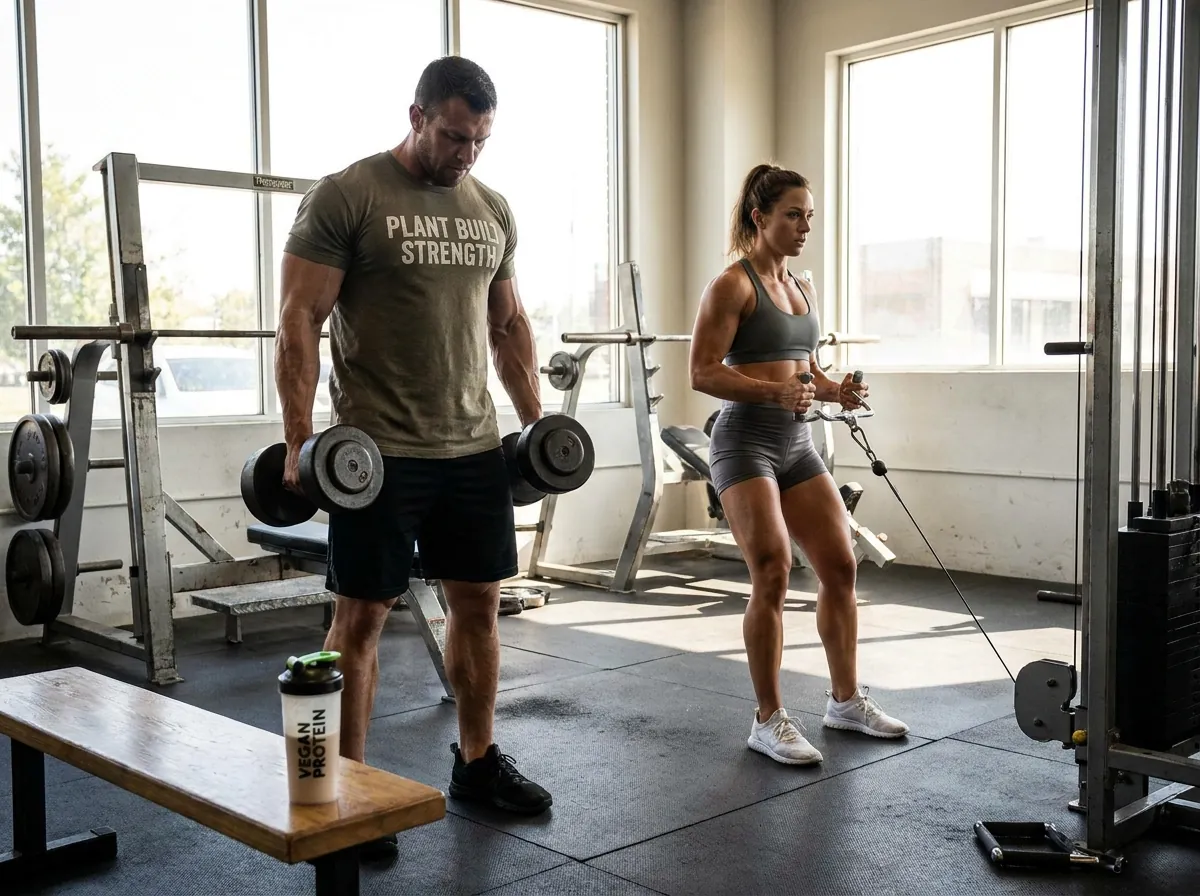
Vegan bodybuilders prioritize protein-dense whole foods, careful meal timing, and the same progressive overload principles used by all strength athletes
Torre Washington is known for his vegan bodybuilder lifestyle.
Fort Wayne, Indiana— May 26th, 2026 —Vegan bodybuilders are athletes who build significant muscle mass using only plant-based protein sources, proving that meat is not required for strength or physique development. These athletes rely on strategic combinations of legumes, grains, nuts, and seeds to meet protein needs while following resistance training programs identical to those of their meat-eating counterparts. Research confirms that plant protein supports muscle growth as effectively as animal protein when total intake and training are matched.
What Makes Vegan Bodybuilders Different?
Vegan bodybuilders distinguish themselves by building competitive physiques entirely through plant-based nutrition. They achieve this by focusing on protein-dense whole foods, careful meal timing, and the same progressive overload principles used by other strength athletes. Progressive overload is the system by which athletes continuously increase the demands placed on their bodies while weight training to increase muscle and strength.
Plant-based athletes also focus on combining different protein sources throughout the day. Think options like lentils with rice, tempeh with quinoa, and chickpeas with whole-grain bread. Each combination fills in amino acid gaps that the other might have.
Plant proteins become complete when you combine complementary sources. This means pairing foods that together provide all nine essential amino acids your muscles need for repair and growth. According to research on vegan protein intake, as long as you’re getting enough total protein in adequate amounts, there is no significant difference in animal versus plant protein for building muscle.
Meet a Vegan Bodybuilding Champion!
How Do Vegan Bodybuilders Get Enough Protein?
Vegan bodybuilders meet protein requirements by eating multiple high-protein plant foods daily, typically consuming 1.3 to 1.8 grams of protein per kilogram of body weight for optimal muscle development.
Here’s the thing about plant-based protein: it’s everywhere once you know where to look. A three-ounce serving of tempeh delivers 17 grams of protein. One cup of cooked lentils provides 18 grams of protein, plus over half your daily fiber needs, according to comprehensive plant protein research. Most types of beans contain about 15 grams of protein per cooked cup.
Quinoa stands out because it contains all essential amino acids on its own, providing about 8 grams of protein per cup. Nutritional yeast offers another complete protein option, with half an ounce delivering 8 grams of protein and 3 grams of fiber. Tofu, seitan, and edamame round out the high-protein options that vegan bodybuilders rely on daily.
Pro Tip: Meal prep containers with pre-portioned proteins make hitting daily targets easier. Batch cook lentils, bake tempeh, and prepare quinoa at the start of each week.
What Are Common Myths About Vegan Bodybuilders?
The biggest myth about vegan bodybuilders is that plant proteins cannot support significant muscle growth, but NPR’s coverage of recent research confirms that vegan protein matches meat for muscle growth in strength training when protein intake is matched.
Another persistent myth claims that plant proteins are somehow inferior. The reality? Research shows that muscle strength, thickness, and body composition changes are similar when comparing athletes using whey (not plant based) versus those using plant-based proteins, according to an analysis of plant-based athletic performance.
Animal proteins are often called complete because they contain all nine essential amino acids in optimal proportions. Plant proteins achieve the same result through combination. Eating rice and beans together, for example, creates a complete amino acid profile. Your body doesn’t care whether those amino acids arrived in the same food or different foods eaten the same day.
Don’t: Stress about combining proteins at every single meal.
Do: Eat varied protein sources throughout the day and trust your body to use them efficiently.
Get Lean and Strong
What about Supplements?
Vitamin B12 tops the list for vegans because plants don’t produce it. Also, pairing iron-rich plant-based foods with vitamin C helps. Omega-3 fatty acids from algae-based supplements support recovery and reduce inflammation. Consider exploring vegan pantry staples that make meeting these nutritional needs simpler. Before you try to make this a case against veganism, consider that supplements are a multi-billion dollar industry supported by consumers who are overwhelmingly not vegan.
Kindness is (Very) Strong!
What Practical Tips Do Successful Vegan Bodybuilders Follow?
Successful vegan bodybuilders prioritize consistency in both training and nutrition, staying well-hydrated, and listening to their bodies when adjusting caloric intake during bulking or cutting phases.
For people trying to build muscle, 1.6 grams of protein per kilogram of body weight is a widely accepted figure to hit to optimize training adaptations. But, here’s what matters even more: progressive resistance training. It doesn’t matter how much protein you consume, if you’re not progressively resistance training, you’re not going to build much muscle at all.
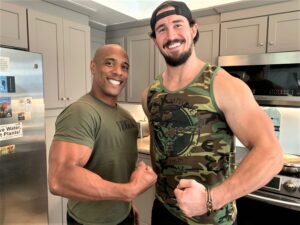
Try asking these vegan guys where they get their protein from!
Pre-workout meals should include easily digestible carbs and moderate protein about two hours before training. Post-workout nutrition within 30 to 60 minutes helps kickstart recovery. Regular meal intervals throughout the day keep amino acids available for muscle protein synthesis. Many vegan bodybuilders find that understanding plant-based nutrition principles extends beyond their own plates to other areas of life.
Pro Tip: A smoothie with plant protein powder, banana, and nut butter makes an ideal post-workout option when whole food meals aren’t convenient.
Vegan bodybuilders continue demonstrating that plant-based eating supports serious athletic performance. The combination of strategic nutrition, consistent training, and attention to micronutrients creates a foundation for muscle growth that rivals any dietary approach. Your protein source matters far less than your commitment to the process.
This article is meant for educational purposes and not as a diagnosis or medical suggestion. Always consult a doctor before making any radical changes in your health routine.
Share This
About the Author: Lauren Caggiano


Latest News



Stay Tuned In
Be the first to know when new shows drop! Plus, get the hottest headlines, inspiring stories, and behind-the-scenes extras. Sign up and keep streaming!
you might also like

Nighttime shooting has begun as conservation officials move ahead with the controversial plan to kill Santa Catalina Island’s mule deer Jack Gescheidt from The TreeSpirit Project talking about Catalina Island deer Los Angeles, [...]
-
Animal Advocates urge citizens to halt the Save Our Bacon Act which threatens state animal welfare laws

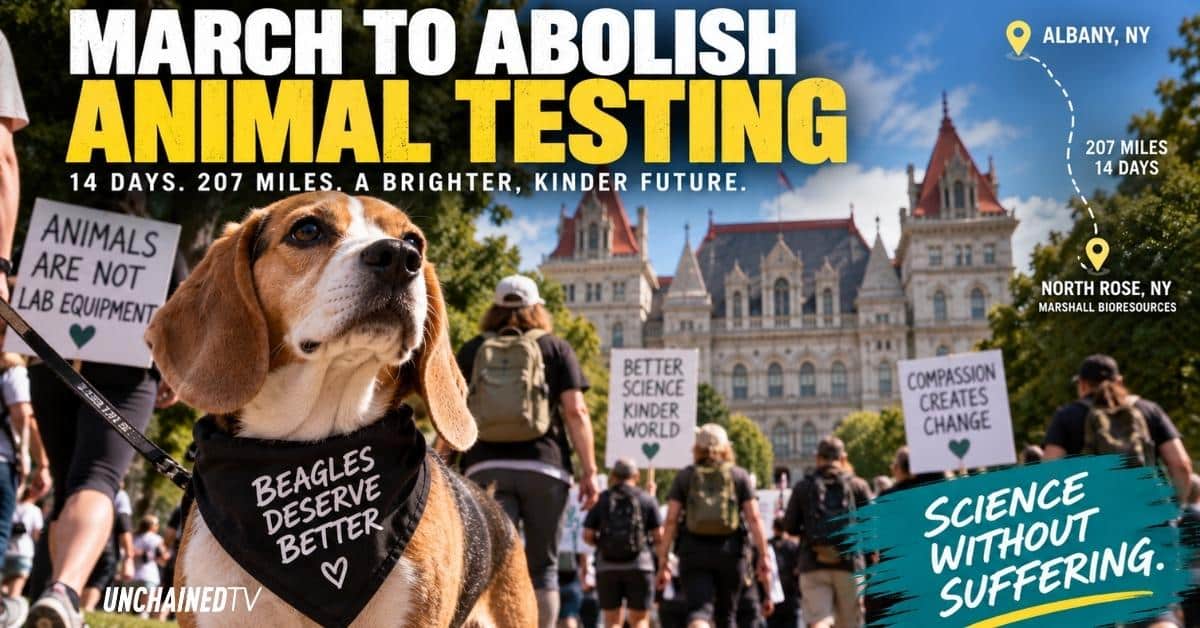
After roughly 15 miles, 40,000 steps and more than a few blisters, marchers reached Schenectady on Day One of a two-week journey across New York aimed at putting animal experimentation—and one of its largest suppliers—squarely [...]