
Why Vegan Leather Is Making Headlines in 2026
Share This
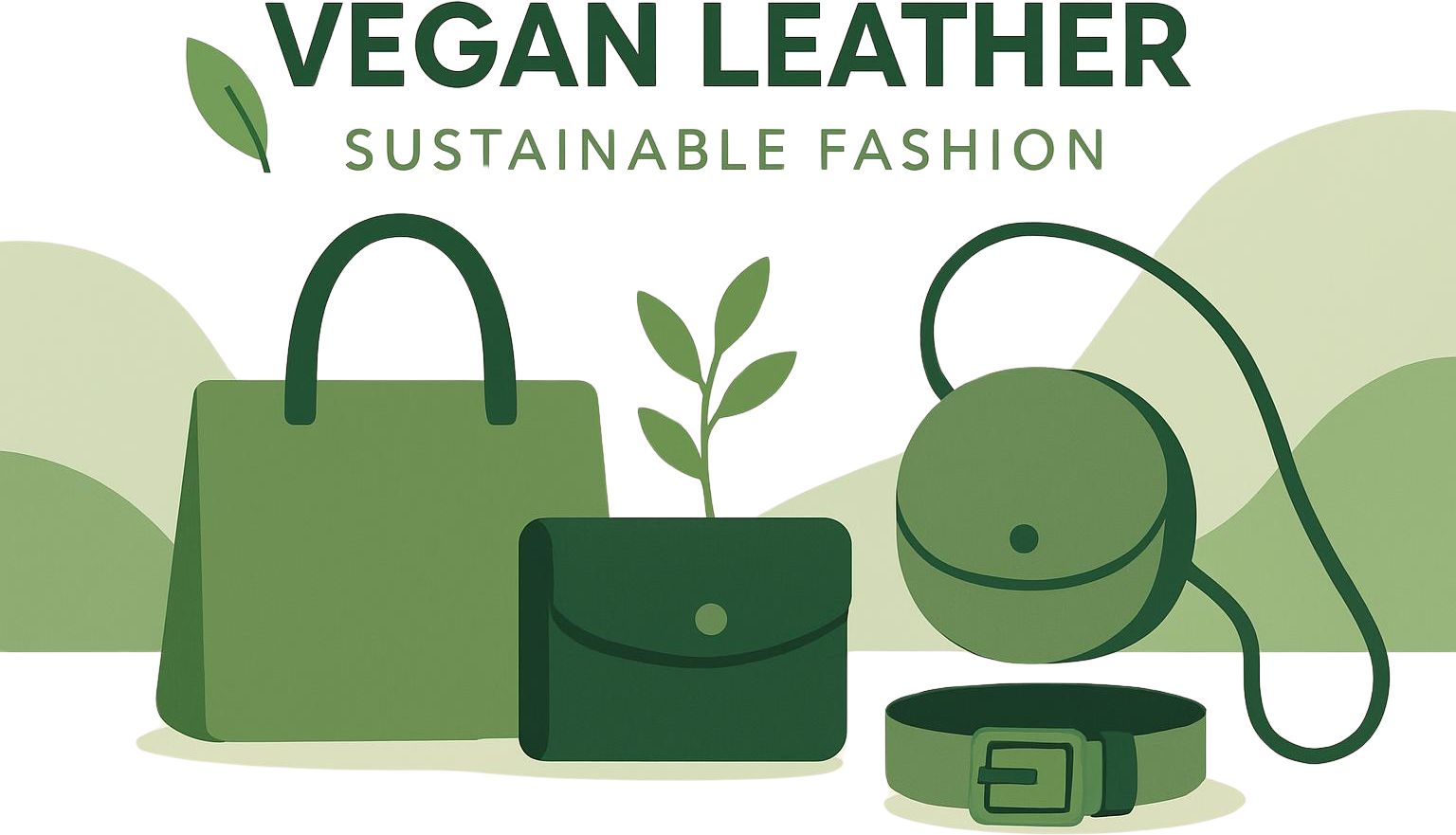
Growing Demand for Vegan Leather Reflects Broader Consumer Trends
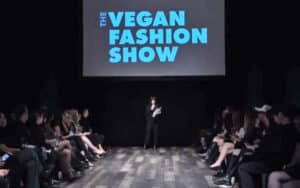
Vegan Fashion Show in Canada
Fort Wayne, Indiana — April 14, 2026 — This week, vegan leather has surged into the spotlight as major fashion houses and automotive manufacturers announce expanded commitments to plant-based materials, signaling a significant shift in how industries approach sustainable alternatives. The growing demand for vegan leather reflects broader consumer trends toward ethical purchasing, with platforms like Google reporting increased search interest in sustainable fashion trends, like vegan leather, throughout the first quarter of 2026.
The Rising Popularity of Vegan Leather
Vegan leather adoption has accelerated dramatically in recent months, driven by heightened environmental awareness and shifting consumer preferences. Industry observers say this isn’t just a niche trend anymore. Major brands, from luxury fashion to mainstream retail, are expanding their vegan leather product lines, responding to a generation of buyers who prioritize sustainability alongside style.
It’s well known that, over the past decade, almost all the major fashion brands have abandoned the use of fur completely. Fur lost its cachet and became a culturally toxic product. Now, a similar evolution is emerging around the use of animal skins from cows, pigs, sheep and even crocodiles and alligators.
“Ending Real Fur” Showcases One Man’s Journey away from Fur
The vegan leather movement reflects deeper changes in how people think about their purchases. Social media platforms, particularly YouTube and LinkedIn, have amplified conversations around ethical fashion, creating unprecedented visibility for plant-based alternatives. Influencers and sustainability advocates are driving engagement with content about how vegan celebrities are transforming public awareness, further normalizing these choices.
According to a Fashion Journal Australia analysis, however, “‘vegan’ and ‘sustainable’ are not the same thing.” This distinction matters because consumers increasingly demand transparency about the full environmental impact of their choices, not just the absence of animal products.
What’s Driving The Shift in Vegan Leather Demand

Activist Jamie Logan struts on NY Fashion Week runway.
The surge in vegan leather interest stems from a convergence of environmental concerns, technological breakthroughs, and supportive legislation. Businesses are shifting investment toward sustainable materials as traditional leather production faces mounting criticism for its environmental footprint. The result? A market transformation that’s reshaping supply chains across multiple industries.
Technological advancements in material science have been game-changers. Innovators are developing vegan leather from unexpected sources—mushroom mycelium, apple waste, pineapple leaves, and cactus fibers. These innovations address earlier criticisms that synthetic alternatives simply replaced animal products with petroleum-based plastics.
Legislative support has also accelerated adoption. The Australian Competition and Consumer Commission has made it clear that broad labels such as ‘sustainable’ or ‘eco-friendly’ must be backed up with evidence. This regulatory pressure is forcing brands to substantiate their environmental claims, benefiting genuinely sustainable vegan leather producers while weeding out greenwashing.
Fashionistas Lean toward Vegan Leather
Industry Leaders and Market Response to Vegan Leather
Major players including Salesforce and HubSpot have noted measurable shifts in how businesses market sustainable products, with vegan leather featuring prominently in corporate sustainability reports. Fashion houses that once dismissed plant-based alternatives are now racing to incorporate them into flagship collections.
Collaborations between established brands and eco-friendly startups have intensified in 2026. These partnerships combine the innovation capacity of smaller companies with the distribution networks of industry giants. The ambitious new global vegan survey seeking participants worldwide reflects growing academic and commercial interest in understanding consumer attitudes toward these products.
Telsa made a splash when it introduced its vegan leather car interiors, suddenly shifting the landscape. In a flash, vegan leather went from being the least prestigious option to the most luxurious choice in cars. Automotive manufacturers represent a particularly significant market segment. Today, vehicle manufacturers are increasingly offering vegan leather interiors as standard or premium options, responding to consumer demand for vehicles that align with their values. This expansion beyond fashion demonstrates how vegan leather is gaining traction across diverse industries.
The Broader Significance of Vegan Leather’s Rise
The implications of this trend extend far beyond material substitution. Traditional leather industries are being forced to rethink their business models as consumer preferences evolve. Some are pivoting entirely to plant-based alternatives.
The economic impacts are substantial. Job creation in sustainable manufacturing sectors is accelerating, while traditional leather suppliers face pressure to adapt. Huge events like Vegan Camp Out 2026 demonstrate how the broader vegan movement continues building momentum, creating additional demand for ethical products across categories.
As one sustainability expert noted, “Sustainability is measured in years of use, not words on a tag.” This perspective is reshaping how both producers and consumers evaluate vegan leather products, prioritizing longevity alongside ethical sourcing.
NY Fashion Week Disrupters Speak Out
Future Developments in the Vegan Leather Market
Emerging technologies promise to address current limitations while expanding possibilities. Biodegradable vegan leathers that break down safely at end-of-life are moving from laboratory to commercial production. Advancements in durability and aesthetics are closing the gap with traditional leather, making plant-based options increasingly competitive.
Predicted market growth rates suggest vegan leather will capture an ever expanding share of the broader leather market through 2030 and beyond. Platforms like Meta and Google are tracking increased consumer engagement with sustainable fashion content, indicating sustained interest in these alternatives.
The trend is part of a larger cultural movement toward conscious consumption, where purchasing decisions increasingly reflect personal values. Understanding powerful truths about veganism helps contextualize why consumers are making these shifts across multiple product categories.
Why This Trend Matters
The vegan leather surge represents more than a fashion moment—it signals fundamental changes in how industries approach sustainability. As costs for sustainable materials decrease and quality improves, adoption will likely accelerate further. Companies investing now in vegan leather capabilities are positioning themselves for a market that increasingly rewards ethical production.
For consumers, the expanding availability of vegan leather options means greater choice without compromising on style or quality. The movement aligns with broader initiatives like Veganuary, one of the most effective vegan campaigns, which has normalized plant-based choices for millions.
The coming years will determine whether vegan leather fulfills its promise as a truly sustainable alternative. Success depends on continued innovation, transparent marketing, and consumer willingness to prioritize durability alongside ethics. What’s clear is that vegan leather has moved from niche curiosity to mainstream consideration—and the headlines reflect that transformation.
Share This
About the Author: Lauren Caggiano



Latest News


Stay Tuned In
Be the first to know when new shows drop! Plus, get the hottest headlines, inspiring stories, and behind-the-scenes extras. Sign up and keep streaming!
you might also like

Animal Advocates urge citizens to halt the Save Our Bacon Act which threatens state animal welfare laws

After roughly 15 miles, 40,000 steps and more than a few blisters, marchers reached Schenectady on Day One of a two-week journey across New York aimed at putting animal experimentation—and one of its largest suppliers—squarely [...]
-
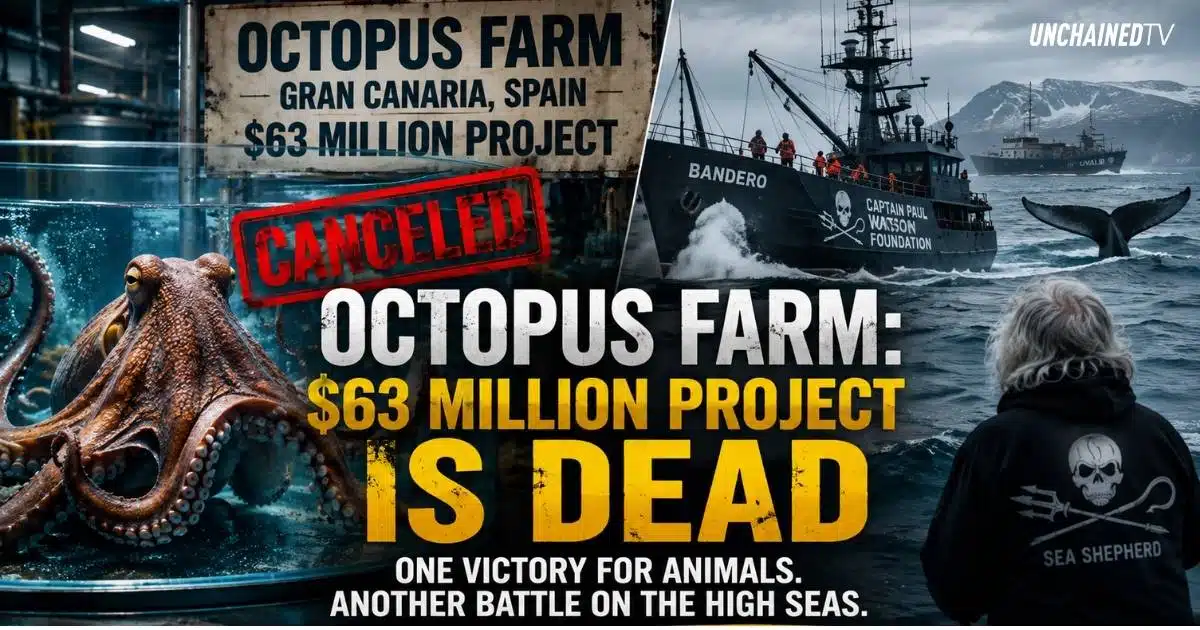
Spanish seafood company Nueva Pescanova has abandoned its plans for a proposed commercial octopus farm in Gran Canaria after years of scientific criticism, animal advocacy, and international public pressure.