
Why Zoos Should Not Be on Your Summer Bucket List
Share This
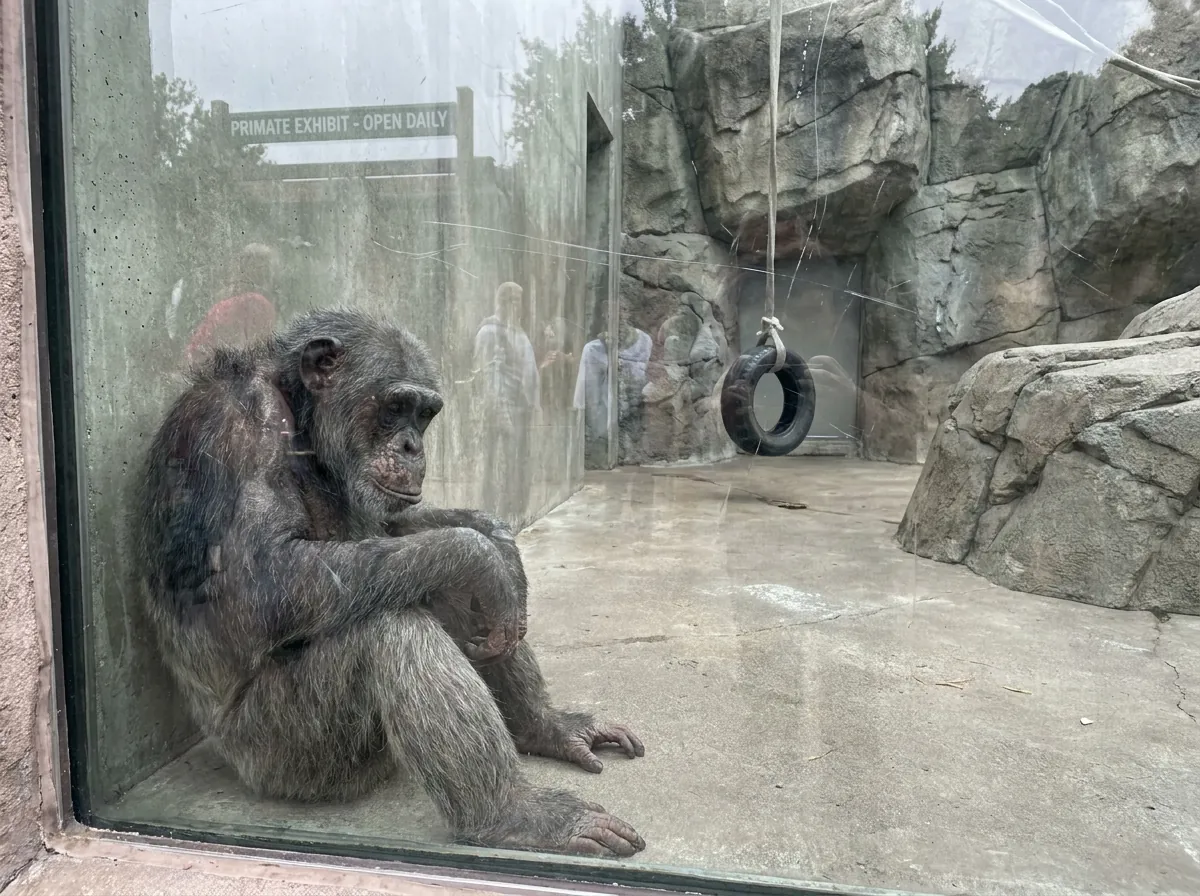
Zoos should not be on your list this summer because they are cruelty masquerading as entertainment and conservation. Don’t buy it.
Fort Wayne, Indiana— June 1st, 2026 —So you’re thinking about hitting up the local zoo this summer? Here’s the thing: zoos often prioritize entertainment over animal welfare, raising some serious ethical questions about whether they’re worth your time and money. Sure, they draw in the crowds like a circus, but many of them keep animals in cramped spaces that don’t allow for their natural behaviors. Their conservation claims? Well, let’s just say they might not be as solid as they seem. Before you shell out for a ticket, you should really know what you’re actually supporting.
Key Takeaways
- Why avoid zoos: animal welfare consistently loses to crowd-pleasing profit motives.
- Stereotypic behaviors like pacing and swaying signal real captivity stress, not boredom.
- Hands-on photos, rides, and feeding sessions are major ethical red flags.
- Accredited sanctuaries and eco-tourism support conservation far better than display cages.
- Wild habitat protection helps animals more than showcasing a captive few ever could.
What’s Wrong With Zoos Today?
The main issue with zoos is that animal welfare often takes a back seat to profit. Enclosures and enrichment activities tend to cater to visitors rather than meet the actual needs of the animals. This disconnect between marketing and reality is a glaring red flag.
Here’s a number that might stop you in your tracks: around 2.6 million wild animals live in 800 zoos and aquaria across 80 countries. That’s a staggering census of beings housed in spaces often built for sightlines, not for their comfort. And the crowds? In 2024, accredited zoos attracted over 209 million visitors—54% more than the combined attendance of MLB, NBA, NFL, and NHL games that year, according to conservation ethics research.
This tension comes up in research too. There can be a genuine clash between what serves one elephant and what serves the species, and those two don’t always align with what the promotional materials suggest. If you care about animals, you should definitely look into the plight of elephants. These intelligent creatures often face some of the worst outcomes in captivity, as explored in Elephants and Geese Are Under Siege in an American War on Wildlife.
Beagles Raised for Experimentation Are Finally Free
The Reality of Captivity
Animals in zoos often develop stereotypic behaviors like pacing, head-bobbing, or swaying, which you rarely see in the wild. These behaviors indicate stress, not simply boredom that can be solved with a bigger toy.
A study of 35 carnivore species, including cheetahs and lions, found that zoo enclosures were often too small for animals to engage in normal routines, leading to pacing and increased infant mortality rates. That’s a serious welfare issue.
Signs of Unethical Zoos
Some clear indicators that a zoo isn’t prioritizing animal welfare include a lack of transparency about animal care, cramped enclosures with minimal enrichment, and high animal turnover with no explanation. If you can’t find out where an animal came from or where it’s going, that silence speaks volumes.
Good animal welfare requires weighing risks, costs, and benefits thoughtfully, and even involving animals in their own medical care when possible. Facilities that do this well are open about their practices. The ones that don’t tend to keep very quiet.
Warning: If a zoo sells hands-on photos, animal rides, or feeding sessions where you touch wild animals, treat that as a glaring red flag. These encounters are stressful for the animals and exist purely to move tickets.
Cruelty, Not Conservation
The best alternatives to zoos are accredited wildlife sanctuaries focused on rehabilitation, ethical eco-tourism that observes animals in their habitat, and direct support for conservation groups. These let you connect with wildlife without bankrolling captivity for entertainment.
Sanctuaries are gaining ground. As of 2023, the Global Federation of Animal Sanctuaries listed 132 accredited and 83 verified sanctuaries across 18 countries, housing 35,000 animals. Just remember the label isn’t a guarantee, since sanctuary tourism still lacks global regulation.
Planning a family trip? Swap the zoo for a half-day at a rescue sanctuary where animals are rehabilitated. The kids still meet incredible creatures, and your money funds care instead of breeding more animals for display.
Expert Tips for Ethical Wildlife Engagement
The best way to engage with wildlife responsibly is to choose experiences that prioritize animal welfare, support local conservation efforts, and donate to reputable organizations that do fieldwork. Your money and attention are valuable votes, so spend them on groups that protect animals in the wild.
As wildlife extinction rates rise, it’s crucial to be mindful of where you direct your support. Updating our understanding of animal welfare and advocating for stronger policies in your community can go a long way.
Pro Tip: Looking for a meaningful summer activity? Volunteer a day at a local wildlife rehab center, or adopt an animal symbolically through a conservation charity. You’ll learn more and do way more good than standing in front of a glass box.
Better Alternatives for Summer Fun
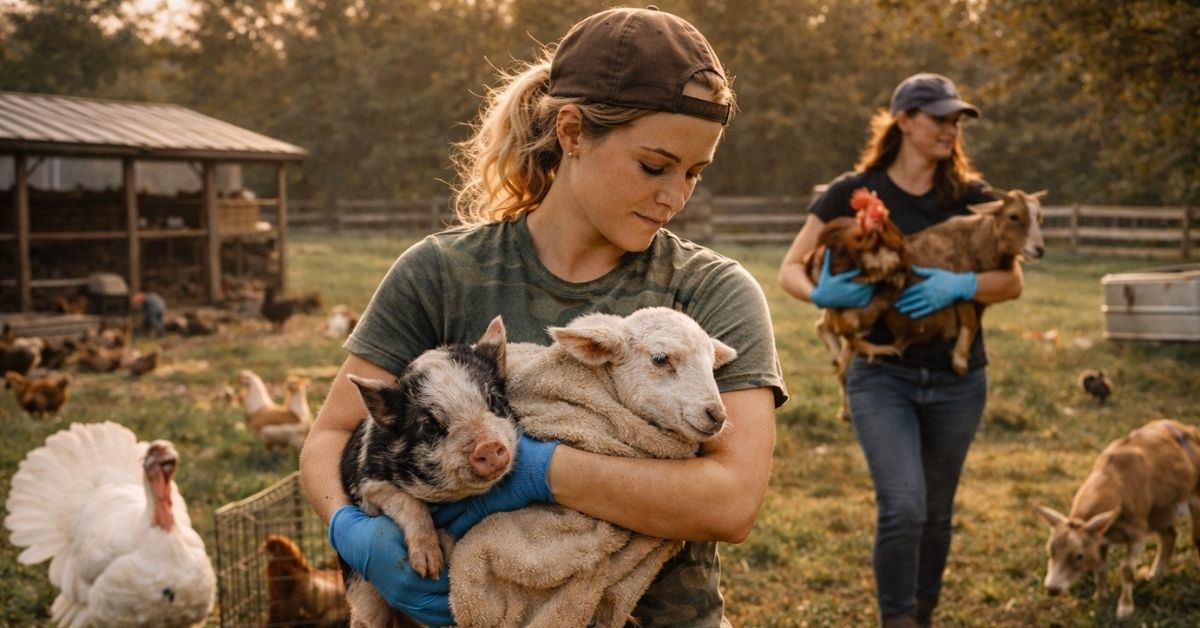
Animal rescuers care for multiple species at a sanctuary, reflecting the growing shift in vegan advocacy in 2026.
Are Robotic Elephants the Future?
Common Myths About Zoos You Should Know
Two of the biggest myths surrounding zoos are that they’re crucial for species conservation and that animals are happier in captivity than in the wild. Both claims are overly simplistic, and the evidence supporting them isn’t as solid as many believe.
In 2024, the Association of Zoos and Aquariums reported $30.3 million spent across 1,839 projects, producing 435 peer-reviewed publications studying 652 species. Still, most effective conservation happens in natural habitats, and captive breeding stumbles badly when it comes to reintroduction.
Zoo professionals can support conservation that wouldn’t otherwise happen, according to a zoo and aquarium welfare review. The honest verdict is gray, not glowing. Meanwhile, habitat loss and climate change threaten wildlife on a scale no enclosure can address, with 23 percent of birds and 47 percent of small mammals already harmed by a warming world.
How to Make a Difference
The most responsible way to engage with wildlife is to choose welfare-first experiences, back local conservation, and donate to reputable groups doing fieldwork. Your money and attention are votes, so cast them for animals protected in the wild.
Small choices stack up over a summer. Volunteer a day at a wildlife rehab center, or symbolically adopt an animal through a conservation charity. You’ll learn more and do more good than you ever would standing in front of glass. Even your household routines count, from feeding choices like a vegan diet for your dog to where your next pet comes from, since adopting matters, as argued in this case for why you should adopt a pet, not buy from a breeder.
So, kick zoos off of your bucket list. Weigh what that ticket actually funds. The crowds will keep pouring through the gates. You simply don’t have to join them.
Share This
About the Author: Lauren Caggiano



Latest News


Stay Tuned In
Be the first to know when new shows drop! Plus, get the hottest headlines, inspiring stories, and behind-the-scenes extras. Sign up and keep streaming!
you might also like

New York City's historic vote will phase out horse-drawn carriages by 2028, affecting 180 horses and ending a decades-long battle in a victory for the animal rights movement NEW YORK CITY — October 23rd, 2026 [...]

UNCHAINEDTV reports vegan Philly is surging in 2026, from a Michelin Green Star to a culinary college that requires vegan cooking to graduate.

The new documentary, Together Around Food, examines one town's 15-day experiment—and Climate Healers' ambitious campaign to make healthy, plant-based food free for everyone. CHIMACUM, Washington, October 19th, 2026 - A 15-day experiment offering free gourmet [...]